

The head gasket is one of the most important parts of an engine. Its role is to seal the cylinder head to the engine block. Sounds simple, but it’s much more complicated than just connecting two pieces of metal. There are extreme pressures to hold in, contaminants to keep out and multiple fluids flowing through the cylinder head that need to remain separated. Without it, the engine’s performance would decline significantly, risking severe damage.
Why are engines designed to have heads and blocks, not one continuous piece?
You’d think the first thing you should do is build a single structure to eliminate the need for gaskets in the first place. However, there are several key reasons for building engines the way we do today.
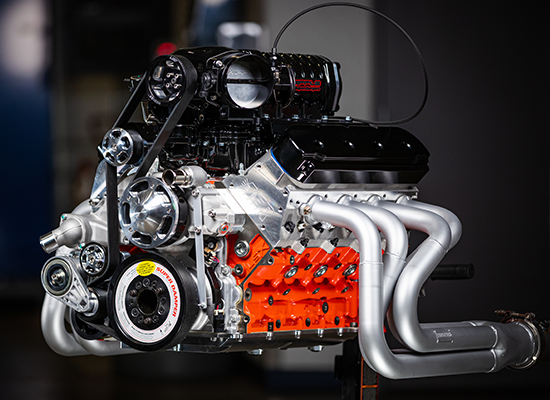
Efficient manufacturing: Each component can be cast and machined independently.
Maintenance and repairs: Remove and replace it without dismantling the entire engine.
Thermal expansion: They expand and contract at different rates due to temperature differentials during operation. Separating components avoids undue stress on the engine.
Design flexibility: Allows engine builders to optimize each component for its specific purpose.
Cooling efficiency: The cylinder head and engine block often have distinct cooling requirements. Having them as separate units allows for more precise placement of coolant passages.
What are they made of?
Multi-layer steel (MLS), copper, graphite and elastomers. Modern head gaskets are designed to handle extreme conditions. These materials ensure the gasket remains durable under constant exposure to heat and pressure fluctuations.

Why do they fail?
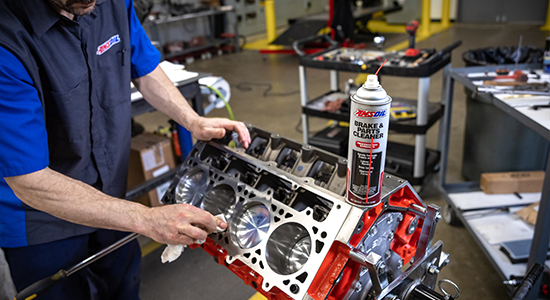
Improper installation: Over torqued, under torqued, bent/damaged, debris on the surface of the block or cylinder head, poor machining of the cylinder head or block or failure to choose the right gasket thickness.
Over pressurizing: Not matching the gasket to the expected pressures, or head stud capacity and torque, resulting in head stud “stretch” and cylinder head lift.
Excessive heat: Increasing cylinder temperatures or extreme heat/cool cycles.
Damaged head/block: Pre-ignition or cracked block.
General wear and tear: Exposure to constant heat and pressure will eventually lead to failure.



Comments
AMSOIL Market Manager and product expert.
Share: