


A dual-clutch transmission (DCT) is synonymous with high performance. Compared to a traditional automatic transmission, it delivers…
Video transcript: Manual Transmissions and DCTs Explained
Featuring John Gardner, host of Motorhead Garage, and Leonard “Len” Groom, AMSOIL Director of Product Marketing (author profile).
John Gardner: What you’re looking at is a manual transmission. You’ve got an input shaft, a countershaft and an output shaft. How does it work? The power comes in through the input, goes down to the countershaft, comes up through the gears (that’s first gear) and out. You have to have a clutch to operate that one. The clutch works the same way: you push it in and out, and you engage and disengage those gears. There’s the pressure plate, there’s the clutch, and you’re looking at the flywheel.
So what happens when it’s spinning? Everything’s engaged. Your transmission is engaged, your synchronizers are locked, and you’re driving along in first gear. If you want to shift, you have to push the clutch in. Notice the clutch stopped moving, because we disengaged it. Now we can shift to second gear, third gear and keep going. Welcome to this AMSOIL Tech Tip.
Now, wouldn’t it be nice if we could take that manual transmission, incorporate a couple of clutches, never have to push in the clutch and still get the same performance? Well, you can. We’re talking about DCTs, dual-clutch transmissions, and you can see one right here. You’ve got your gears and your dual clutches. How does it work? It’s got two clutch packs up here, one and two. Notice second, fourth and sixth are on one, and first, third and fifth are on the other. One of the clutch packs is locked, so first gear is engaged. The computer already has second gear engaged, but it isn’t driving because that clutch pack isn’t locked. So we just switch clutch packs, from this one to that one, one, two, three, four. They’re always ready, so there’s no lag, and you don’t have to push in a clutch anymore. Down here, you can see the clutch packs and the gears.
Len, it acts a lot like this manual, but you’ve got two clutch packs, and you need some special fluid to get the job done.
Len Groom: That’s correct. Automatic transmission fluid is fairly specialized, but this stuff is next-level specialized. To be honest with you, a dual-clutch transmission is probably more comparable to a motorcycle, except you don’t actuate the clutch with your hand. So the frictional characteristics are like what a motorcycle needs: a nice, progressive clutch feel that keeps those clutches protected, while also protecting gears. So it’s less like an automatic transmission fluid and more like a motorcycle transmission fluid. But in a motorcycle, the oil also has to deal with the engine and combustion. In this case, it doesn’t, so you can really specialize in gear protection, frictional performance, heat protection and anti-wear properties.
John Gardner: So you need to keep all those gears and clutches protected so the shift feel stays consistent.
Len Groom: Absolutely.
John Gardner: Well, whether it’s a dual-clutch transmission, a manual transmission, a 10-speed, a CVT or any other fluid in your car, AMSOIL has you covered. Just go to amsoil.com.
- Faster, smoother shifts
- Increased fuel economy
- Improved performance
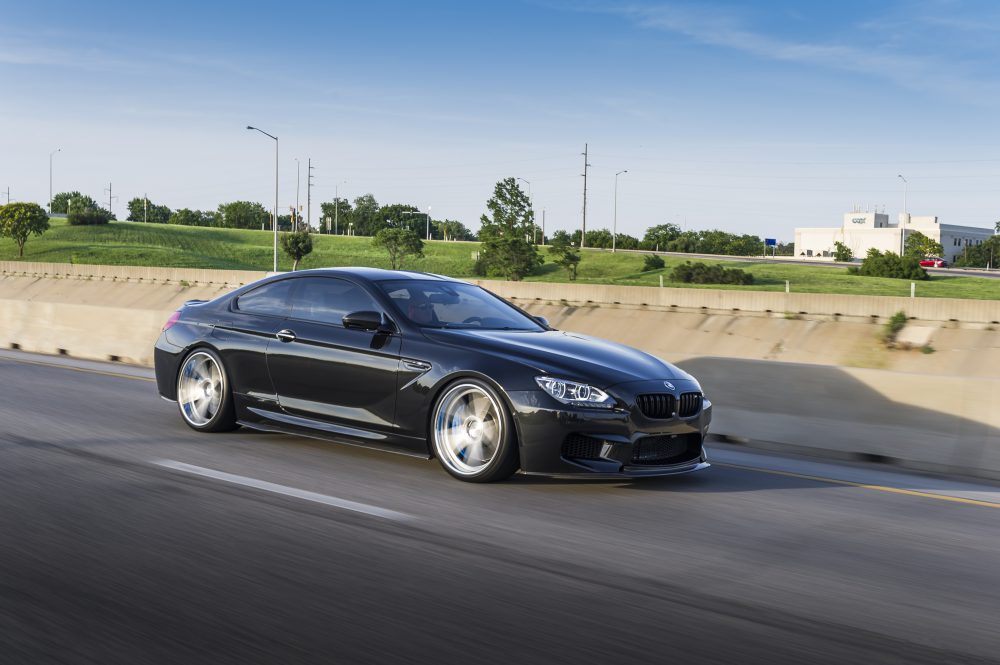
Although the DCT transmission dates to the 1930s, it made its first practical appearance decades later in several 1980s-era race cars.
In 2003, the Volkswagen* Golf Mk4 R32 was the first production vehicle to feature the technology.
Today you can find a DCT in a variety of cars, from the relatively tame Hyundai Sonata to the brash, sexy Nissan* GT-R.
How a DCT transmission works
DCTs are essentially two manual transmissions working in tandem.
One gear shaft contains the even-numbered gears, and the other contains the odd-numbered gears. While you’re accelerating in first gear, for example, the computer selects second gear on the other gear shaft. When it’s time to up-shift, the clutch that controls the even gears disengages and the clutch that controls the odd gears engages.
Compared to a traditional automatic transmission, gears shift much more quickly and smoothly in a DCT transmission – the perfect complement to a powerful, high-performance engine.
While DCTs are capable of seamless shifts, they can suffer from shudder or lurching at slow speeds.
Transmission fluid with specific frictional properties is required to prevent shudder. DCT fluid must also maintain the proper viscosity to provide protection during the high-heat operation native to high-performance sports sedans and supercars.
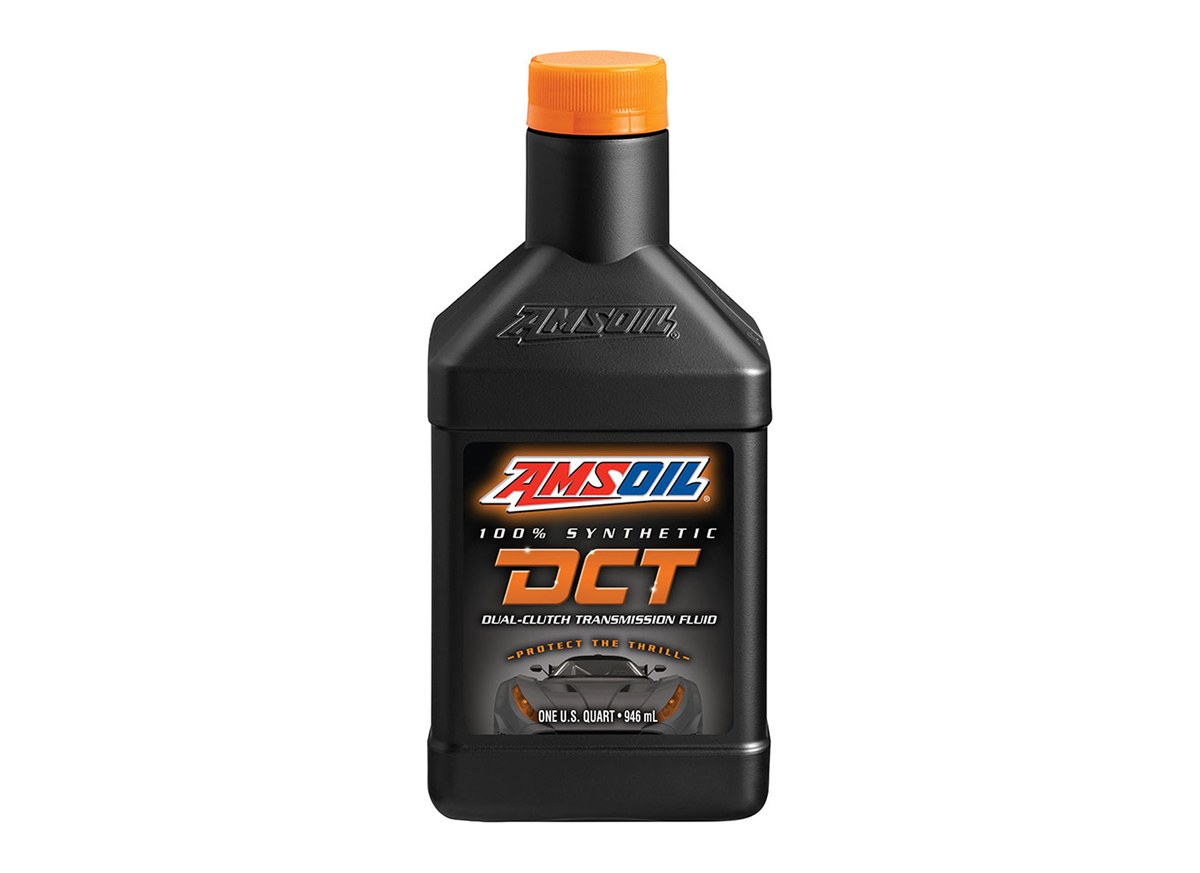
Protect the thrill
AMSOIL 100% Synthetic DCT Fluid is specifically engineered for sophisticated dual-clutch transmissions.
Its superior frictional properties protect against shudder and gear clashing to consistently produce fast, smooth shifts.
AMSOIL Synthetic DCT Fluid’s exceptional durability provides stability in stop-and-go traffic and excels under intense, high-heat conditions. Its built-in oxidation resistance helps prevent sludge formation in vital transmission parts.
This article is part of our Transmission and Gear Oil guide. See every article in the guide.
Recommended AMSOIL products
Start with AMSOIL synthetic motor oil and find the exact AMSOIL products for all your vehicles with the AMSOIL Product Guide.

Comments
Brad Nelson is an AMSOIL Technical Writer II who develops content about lubricant technology, product performance and vehicle maintenance. He works with engineers and product specialists to translate testing, application requirements and approved performance claims into clear customer guidance. Nelson’s work includes AMSOIL Blog articles, AMSOIL Magazine features and technical explanations concerning motor oils, gear lubricants, vehicle systems and maintenance practices.
Share: