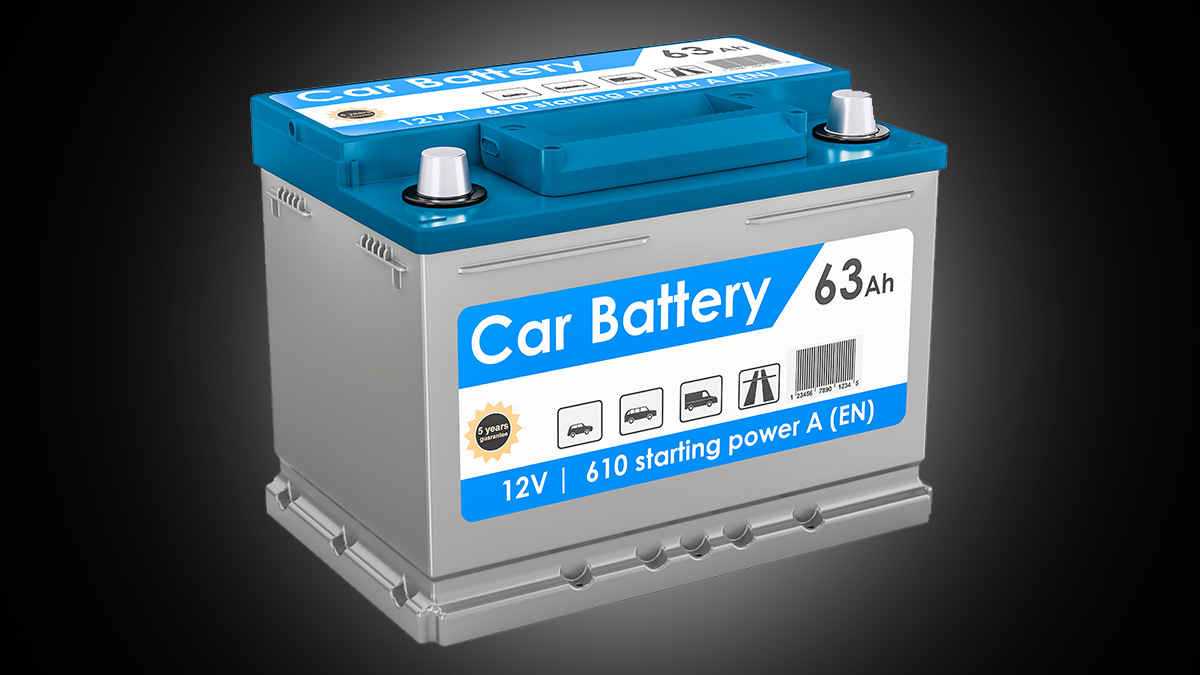


Most car batteries last three to five years, according to AAA, but heat, hard cold starts, short trips and corroded connections can cut that short. You can’t stop a battery from aging, but you can slow it down: use a motor oil that flows easily in the cold so the starter works less, keep your cooling system healthy so the engine bay runs cooler, and keep the battery clean, tight and charged.
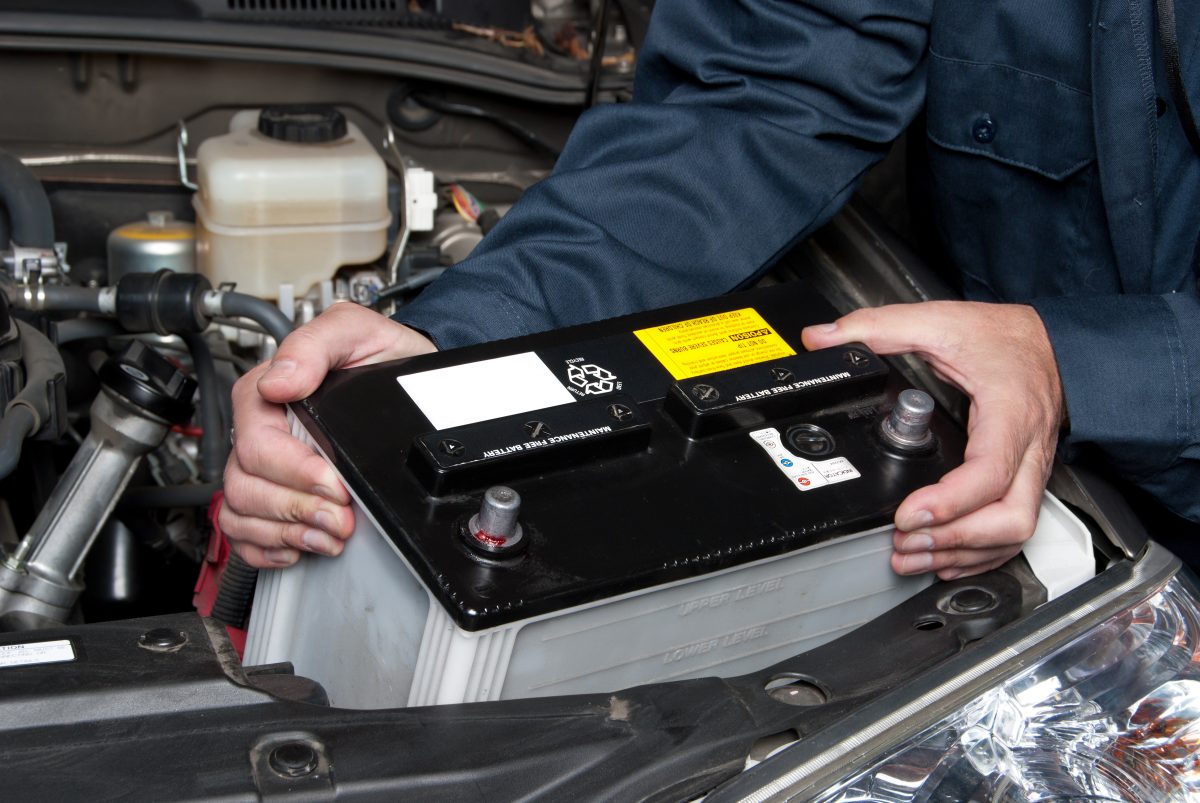
What kills a car battery?
Car batteries hold chemical energy and release it as electricity. Every start draws that energy down, and the alternator recharges it while you drive. Batteries fail when that cycle is pushed too hard, too often:
- Heat. High temperatures speed up plate corrosion and evaporate the electrolyte. Heat, not cold, is the real enemy of battery life, and damage done in summer often shows up on the first cold morning.
- Hard cold starts. Cold slows the battery’s chemistry just when a cold engine needs the most power to turn over.
- Short trips and parasitic drain. Remote starters, security systems and other electronics draw power with the engine off, and short trips don’t give the alternator time to put it back.
- Loose or corroded connections. These can behave like a dead battery and leave you stranded.
How motor oil affects your battery
Two factors work against each other when you attempt to start your engine on a cold day.
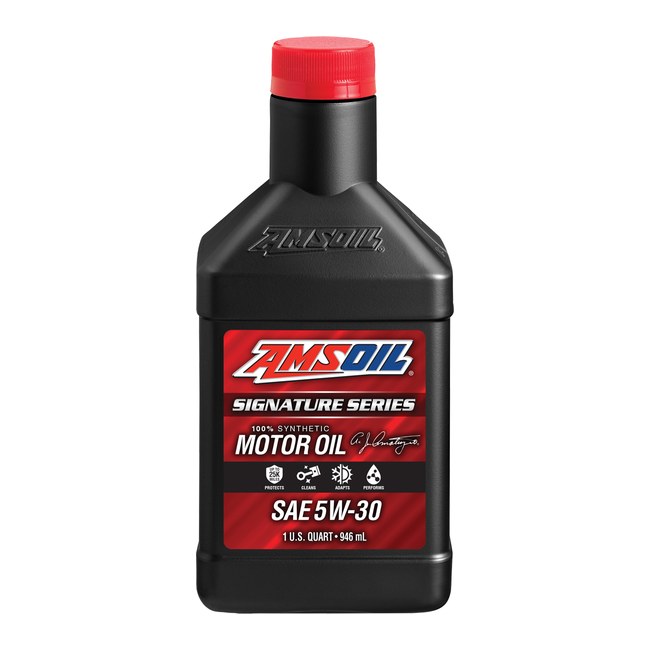
First, a cold engine is more difficult to turn over, primarily because motor oil thickens when it’s cold, requiring more power to move gears and other components through the viscous fluid. A quality motor oil like AMSOIL Signature Series Synthetic Motor Oil that resists thickening in cold temps can help mitigate this issue.
Second, the chemical reaction inside the battery slows in the cold, so it has less to give when you need it most. At 32°F (0°C) a car battery loses about 35% of its output, and at 0°F (-17.7°C) it loses up to 60% of its strength. Meanwhile, your engine can require almost twice as much power to start.
The two problems compound each other. Replace a weak battery and the engine may still crank sluggishly if the oil is too thick, which is why the winter viscosity grade on the bottle, the number before the “W,” matters as much as cold-cranking amps. An oil that stays fluid at low temperature reduces the load on the starter and the battery every cold start.
How your cooling system affects your battery
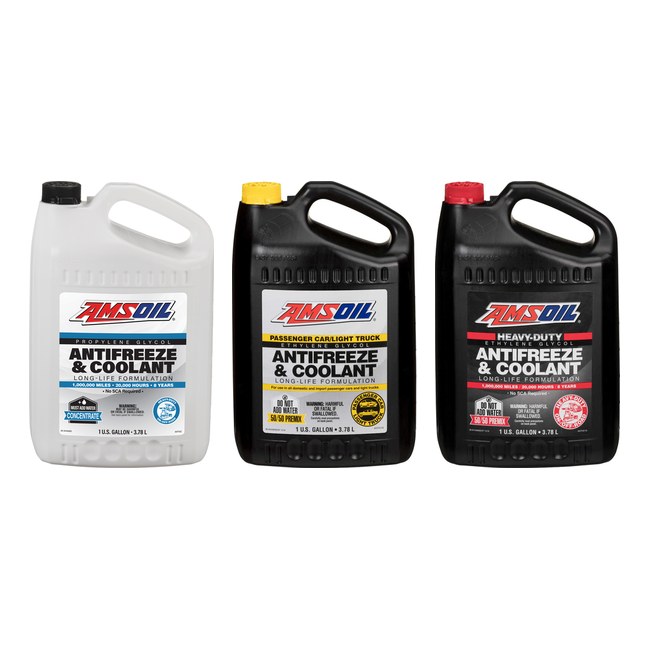
Your battery lives in the engine bay, and heat is what wears it out fastest. The cooling system’s job is to carry engine heat away. When coolant is old, contaminated or low, the engine runs hotter, and so does everything around it, battery included. Keeping the cooling system in good shape protects the engine and helps the battery, too.
Keep it clean, tight and charged
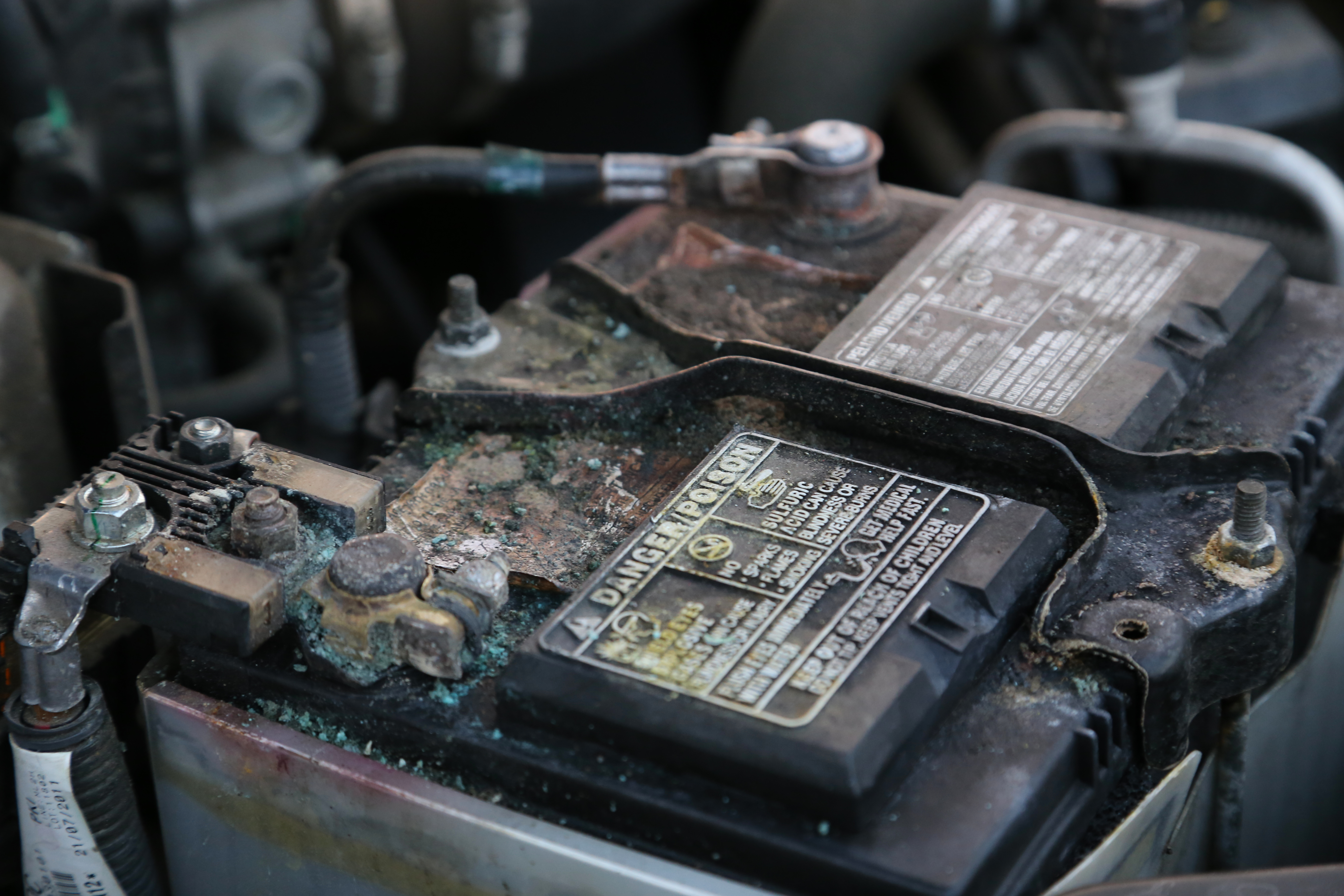
Loose or corroded cable connections can behave like a dead battery and create a no-start situation. Clean your battery terminals periodically and protect them from corrosion. One excellent option is AMSOIL Heavy-Duty Metal Protector, which creates a protective coating on terminals that protects against corrosion. Here is how to clean and prevent battery terminal corrosion.
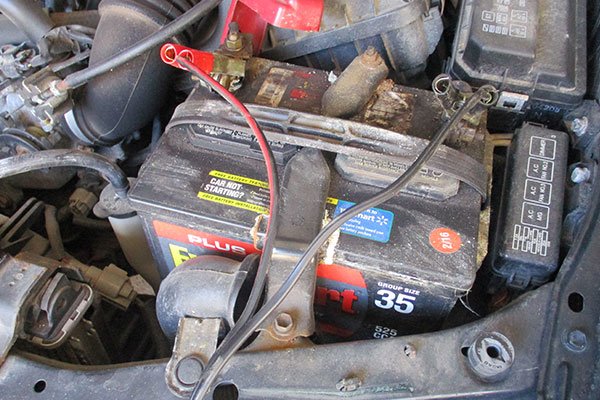
If your vehicle sits for long stretches or makes mostly short trips, a battery maintainer keeps it topped up. Learn how to charge a car battery the right way, and if you’re ever caught with a dead one, here is how to jump-start a car safely.
Know your battery
Most car batteries are lead-acid, in three designs. Flooded batteries are the traditional type and are now mostly sealed and maintenance-free. Gel batteries hold the electrolyte in a gel, which makes them more resistant to vibration and leaks. Absorbed glass mat (AGM) batteries are the most durable design, tolerate deep discharges better and are increasingly standard on vehicles with stop-start systems and heavy electrical loads.
Cold-cranking amps (CCA) measures how much current a battery can deliver at 0°F (-17.7°C) for 30 seconds without dropping below 7.2 volts. It’s the most important rating: always meet or exceed your vehicle manufacturer’s recommendation, and consider more if you live where it gets frigid. Reserve capacity, how long a battery can supply 25 amps before it’s depleted, matters more as vehicles add electronics that draw power with the engine off.
When to replace your battery
Have your battery load-tested after two years of service in warm climates and after four years in colder regions. The test measures the battery’s ability to hold a charge and will tell you when it’s time to start shopping. When you replace it, match the size, terminal locations, type and CCA in your owner’s manual, and choose a battery that is less than six months old. The date code is on a sticker on the top or side of the case. Most retailers will recycle your old battery.
Car battery FAQ
How long should a car battery last?
Most last three to five years, according to AAA, and less in hot climates.
Does motor oil affect my car battery?
Indirectly. Oil that stays fluid in the cold makes the engine easier to crank, which means less strain on the battery at every cold start.
Does heat or cold kill a car battery faster?
Heat. Cold mostly exposes damage that heat has already done.
Battery Checks Out but It Still Cranks Slowly?
A weak battery is the usual suspect when an engine turns over slowly on a cold morning — but it is only half of the equation. The other half is the oil the starter has to turn the engine through.
As temperature drops, motor oil thickens. A thicker oil takes more current to crank, which pulls harder on a battery that is already delivering less power in the cold. The two problems compound each other: a marginal battery and a thick, slow-flowing oil each make the other look worse. Replace the battery and the car may still crank sluggishly, because the oil never changed.
That is why the winter viscosity grade on the bottle — the number before the “W” — matters as much as cold-cranking amps. A synthetic oil that stays fluid at low temperature reduces the load on the starter and the battery every single cold start.
If Your Engine Is Slow to Start in Cold Weather
- All You Need to Know About Oil Cold Flow — why oil thickens and what it costs you at startup
- What Motor Oil is Best for Winter? — choosing a winter grade
- Should I Use a Lighter Winter Oil Weight?
- What Happens If I Use a Thicker Oil in My Engine?
- Is Starting Fluid Bad for Gas Engines? — before you reach for the can
More in our battery and cooling system care guide
Coolant and cooling
- Antifreeze & Coolant Protects Your Engine
- Why is there Sludge/Slime in my Radiator?
- Why is My Engine Overheating?
- Do Coolant Additives Work?
- Do I need a Diesel Coolant Additive?
- What a Good Motorcycle Coolant Should Do
- AMSOIL Powersports Antifreeze & Coolant
- AMSOIL DOMINATOR Coolant Boost Helps Vehicles Warm Up Faster


Comments
AMSOIL Staff articles draw on the combined expertise of AMSOIL engineers, chemists, Technical Services specialists, technical writers and product marketers. Content is developed from AMSOIL data sheets, laboratory and field testing, oil-analysis results and more than 50 years of synthetic-lubricant development. Topics span automotive, diesel, powersports, marine, small-engine, agricultural and industrial equipment, covering lubrication fundamentals, maintenance practices, product selection and real-world customer experience.
Share: