
Exhaust power valves automatically vary the exhaust-port opening so your sled can provide good low-rpm throttle response and maximum top-end power. Their placement in the path of exhaust gases over 1,000°F (538°C), however, means hard carbon deposits can form, causing them to stick, reducing engine power and performance. Using a high-quality, clean-burning two-stroke oil helps prevent sticking. So does cleaning them seasonally. Here’s how to clean snowmobile power valves.
Step-by-Step: How to Clean Snowmobile Power Valves
Tools You Need:
- Rags
- Razor blade
- Soft-bristle brush (optional)
- Latex gloves
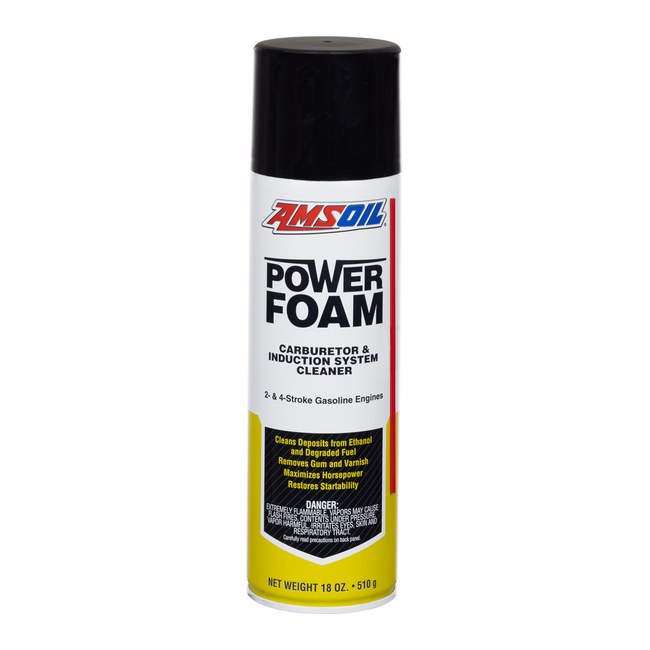
- Carburetor cleaner or similar cleaner, like AMSOIL Power Foam®
Remove The Power Valves
We’re using an engine from a Ski-Doo* 800 P-TEK we had available in the AMSOIL mechanical lab for this demonstration, but the basic steps will apply to most snowmobile makes and models.
Remove the plastic covers from the exhaust power valves. They’re typically held on with just two bolts.

Now, remove the two bolts that hold the power valve assembly into the cylinder head.

With the exhaust bellows exposed, unthread it by hand and set it aside. Take care not to lose the springs that hold the barrel-shaped side valves in place.
Slide the power valve out of the slot in the cylinder head. Again, take care to avoid dropping parts. If there are excessive deposits, you may have to work it back and forth to loosen and free it from the engine. Set the power valve on a rag.

Scrape Away Carbon Deposits
As already said, the power valves sit in the scalding-hot exhaust stream, meaning they’re prone to collecting carbon deposits, especially if you’re using a low-quality two-stroke oil that doesn’t burn cleanly.
Deposits can cause the valves to stick open or closed, which reduces engine power and performance.
Using a razor blade, carefully scrape off carbon deposits. Be careful to avoid gouging the metal.

Use Carburetor Cleaner
Once you’ve removed the thick deposits, spray carburetor cleaner or a similar product designed to remove deposits, like AMSOIL Power Foam,® on the valves and let them sit for 10-15 minutes. This will help soften the remaining deposits so you can remove them easier.
Use a rag or soft-bristled brush to clean the valve components. Spray another coat of cleaner on them if needed and let them sit. If they’re really dirty, soak them overnight.
Reinstall the Power Valves
Once clean, reinstall the power valves in the cylinder head, thread the exhaust bellows back on and apply the cover. That’s all there is to cleaning snowmobile power valves.

How Often Should I Clean Snowmobile Power Valves?
Most manufacturers recommend cleaning seasonally, but check your owner’s manual for the specific recommendations for your sled.
If your sled begins to run poorly and lack power, dirty power valves could be the culprit. It’s a relatively easy and cheap fix, so start there before trailering your sled to the dealership and dropping a bunch of money.
Clean them in the spring before storage. This prevents carbon from solidifying over the summer and becoming even more difficult to remove.
Use a Good Two-Stroke Oil to Keep Power Valves Clean
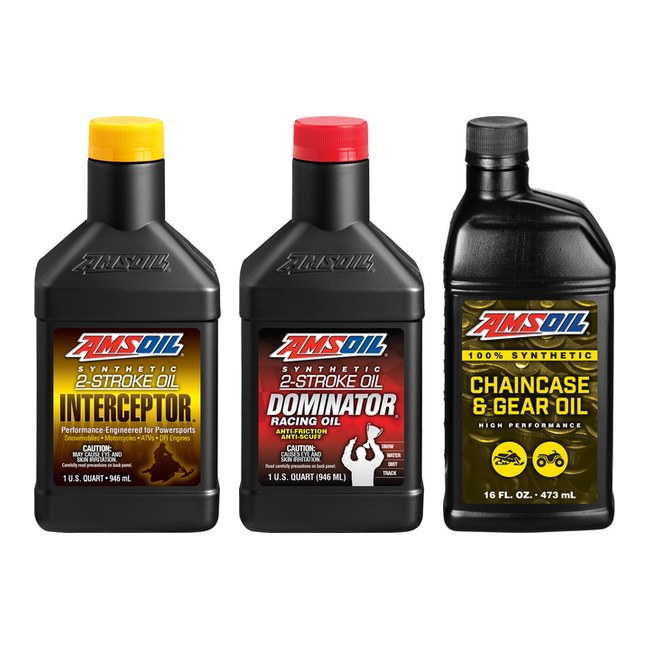
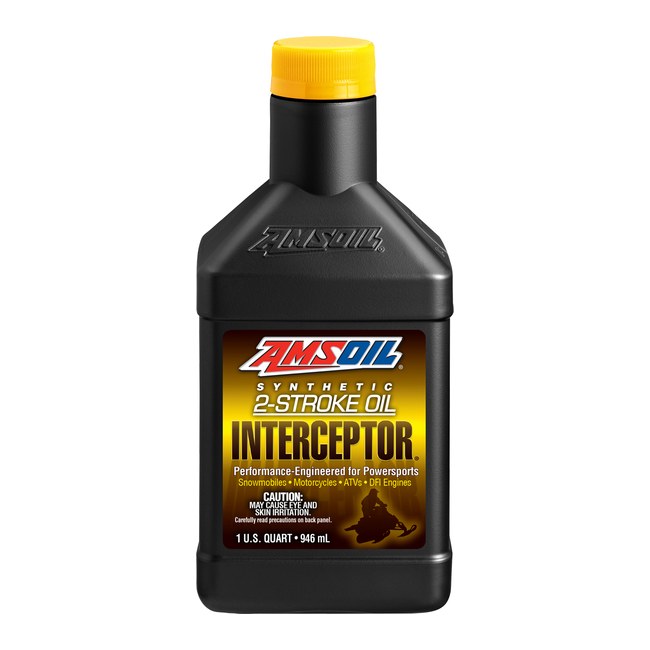
Prevention is the best maintenance practice, so use a high-quality synthetic two-stroke oil, like AMSOIL INTERCEPTOR® Synthetic 2-Stroke Oil, that burns cleanly and resists high-heat deposits. It will help prevent the power valves from collecting deposits and sticking, maximizing power and reducing maintenance.
To demonstrate its performance, we put INTERCEPTOR to the test in a rental Polaris* RMK 800 used for a full season in the Canadian Rockies. After a season of abuse, the oil protected the engine and prevented the power valves from sticking.

Check out the full test in the video below.
Video transcript: Grizzly Lodge Rental Torture Test
This sled is part of a cooperative effort between AMSOIL and Grizzly Lodge. We wanted to torture a snowmobile, and there’s no better way to do that than embed it in a rental fleet and put it in the mountains. A day in the life of a rental sled here specifically, they put on a pile of trail miles going down to our staging area which varies from 20 to 30 kilometers away to pick clients up. Clients are strapping their big bags on the back of these things, hauling their bags up here back up the trail so they’re running hot sometimes.
Next morning it’s up the mountain and into the mountains on the pin all the time. People like to ride hard, and they seem to like to ride rental sleds even harder. We also use them to tow each other up and down the hill sometimes when we have to deliver a bunch of rental sleds to our staging area. We don’t have the space to keep them all in a heated shop, so they all live outside.
We have often minus 35 in the wintertime. That means a lot of cold starts so lubrication is extremely important. If the sled fails, that’s something we don’t want to see. If it fails on the trail or if it fails in the mountain, either way it’s inconveniencing the customer.
And, basically, we need to find a way to get another sled up to them or they need to find a way to get back down to us, and it costs them a day of riding. So when you’ve come for three nights and two days riding and one of those days is taken up by rescuing a machine out of the backcountry, we really want to avoid those things at all cost. So it’s really, really important to us to keep them running in as top-notch condition as we can keep them. All of our rentals take a great deal of abuse during the season, but we specifically made sure this sled got most of the abuse.
Grizzly Lodge has rented this sled. They’ve guided on it. They’ve done all kinds of terrible things to it. We’re going to take it apart.
We’re going to show you how great Interceptor performed under those extreme conditions. You can see these are moving all the way open and then all the way closed which indicates that the power valves are free and working. The cylinder head looks beautiful. There’s no sign of any major carbon deposits on there.
There’s a little bit of coloration around the exhaust port but, other than that, it looks really good. So we’re checking the rings, and the rings are free, indicating there’s no carbon buildup in the lands. The pistons look good. You can see the skirts are not scuffed.
We’re going to check the rod bearings and make sure that there’s no axial play, there’s no lateral movement of the rod bearings. Crank still turns freely so everything looks good as far as the rod bearings go. I mean, the cross hatches are still in the cylinder. There’s no excess carbon depositing on the crowns.
It’s a very, very thin layer of carbon which is normal. You can tell that it’s thin because of the fuel wash bands on top of the piston. It gives you kind of an idea of how thick that carbon is and it’s very, very thin. So that’s a good sign.
Under crowns of the pistons don’t show any excess staining, and generally that’s a sign of how much heat that piston is seeing. Oil without enough detergency will generally put a black stain on the bottom of that piston. We’re not seeing that here. Overall I’d say this engine for a field engine with this amount of time on it, this thing looks good.
This article is part of our Snowmobile Oil and Maintenance guide. See every article in the guide.