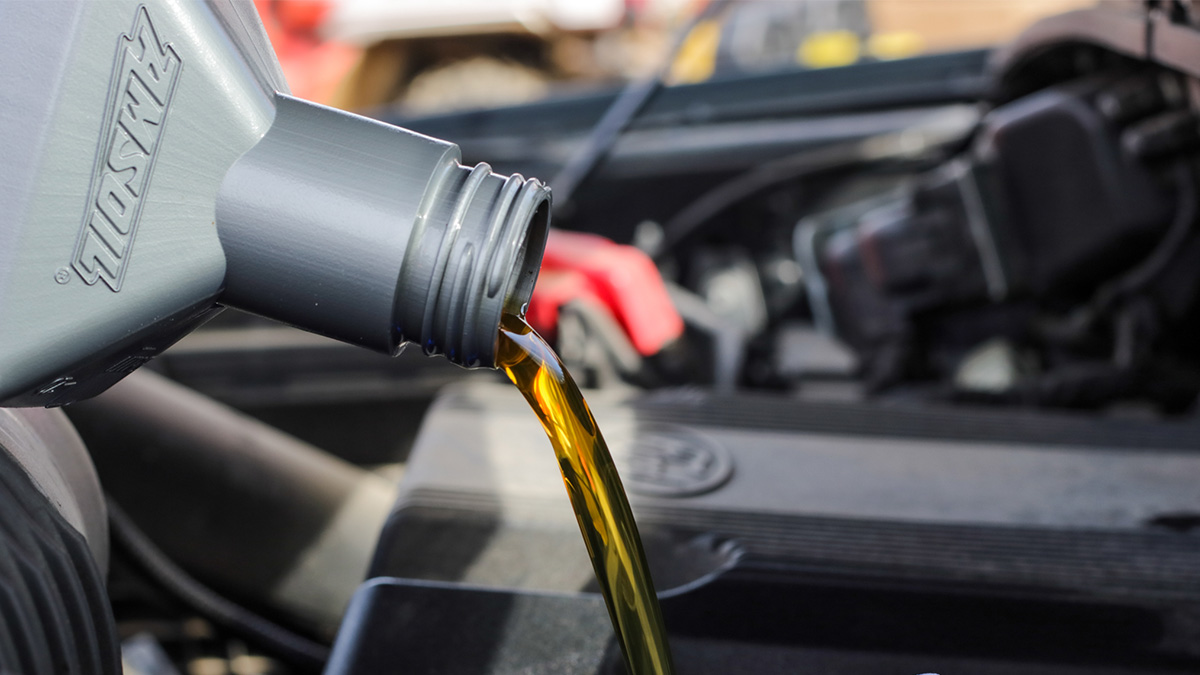


When we think about lubricant performance, our first thoughts are likely about base oils, additives and proof of performance. It’s unlikely packaging makes the list. However, packaging is a critical part of the overall product lifecycle, playing a direct role in protecting AMSOIL lubricants from the time they leave production until they are installed in a vehicle or piece of equipment.
Effective packaging must preserve chemical integrity, prevent contamination, withstand demanding shipping conditions and deliver a positive user experience. That’s why we design our packaging with the same technical scrutiny as the lubricants inside.
Beyond the Bottle
Packaging design begins with material science and compatibility testing. Certain chemistries can absorb or react with packaging materials, potentially altering product performance. Bottle and cap materials must be chemically compatible with the lubricant they contain, ensuring no leaching, softening or degradation over the product’s shelf life.
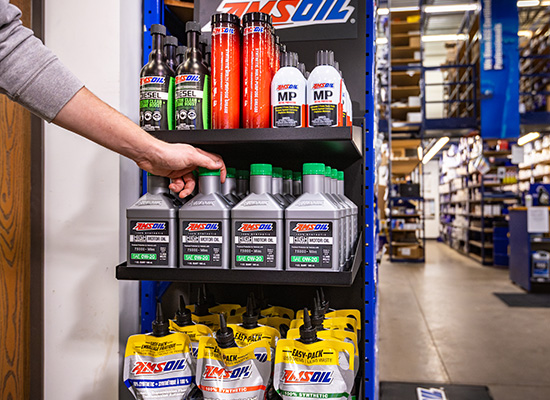
Packaging must also perform across a wide range of storage conditions, from temperature swings in unconditioned warehouses or garages to long-term shelf storage. Shipping durability is equally important; containers must tolerate vibration, compression and impact.
Cap-to-bottle interface design is especially critical. Proper thread engagement, gasket selection and torque specifications ensure a secure seal that prevents leaks and protects against moisture and contamination. Label materials are selected to align with manufacturing processes and equipment, match product shelf life, resist chemicals, survive handling and maintain legibility through shipping and storage. The result is packaging that protects quality, reinforces confidence and performs reliably in real-world conditions.
Leading the Way: The AMSOIL Easy-Pack
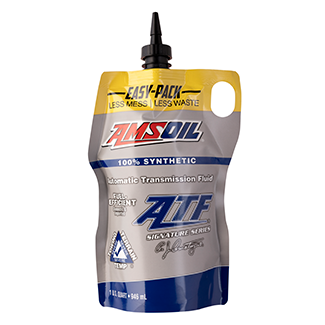
One of the most visible examples of AMSOIL packaging engineering is the award-winning, frequently imitated easy-pack. Designed specifically for gear oils and other products that go into hard-to-reach locations, the easy-pack is not just a convenient design, it is a performance-driven packaging system.
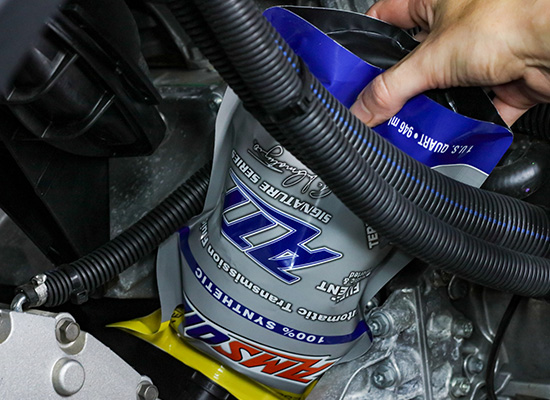
The easy-pack undergoes rigorous testing to ensure it can withstand shipping loads, pressure fluctuations and repeated handling without leaks or failures. Internal sealing elements and reinforced seams are validated to survive vibration and drop testing, protecting product integrity from the distribution center to the customer’s door.
User experience is equally important. Traditional rigid containers often require pumps, funnels and awkward positioning during installation. The easy-pack integrates a flexible bag, internal spouted cap and controlled flow design that allows product to be delivered directly into hard-to-reach fill ports. This reduces the risk of user error, product waste and contamination.
The Complete Package: Carton Consolidation
Primary packaging is not the entire equation. Shipping cartons must protect products through a complex and often unforgiving logistics chain. Cartons experience stacking loads in distribution centers, compression under palletization and vibration or drops throughout truck and parcel-carrier networks.
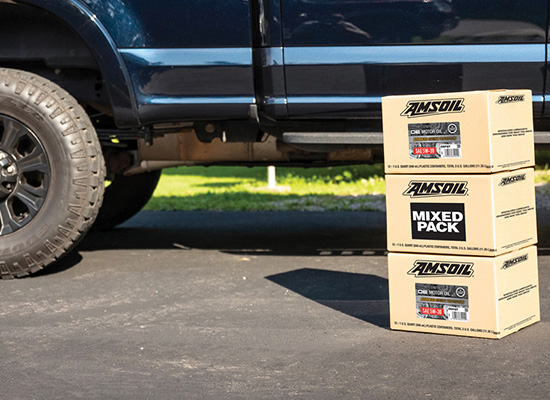
Our carton consolidation project addresses these challenges head-on. New shipping cartons incorporate up to 28% stronger corrugate, stronger tape and optimized dimensions that reduce internal product movement and eliminate pallet overhang. These structural improvements are designed and validated using industry-standard shipping-durability protocols such as International Safe Transit Association (ISTA) 1A and 3A testing, which simulate real-world drop, compression and vibration conditions.
Precision Packaging: Fuel Additives
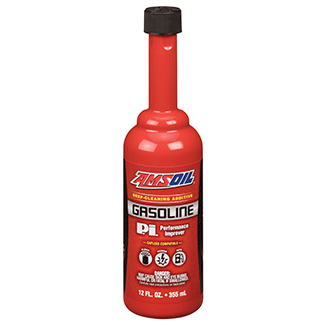
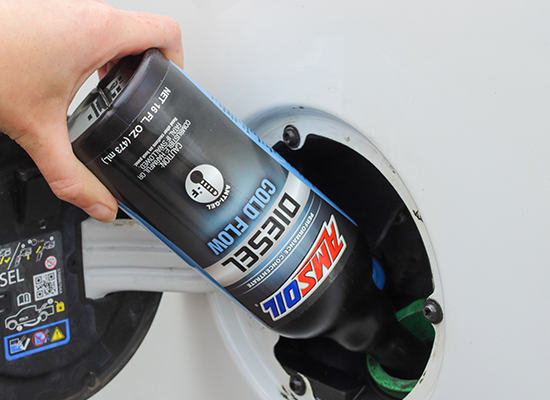
Packaging engineering becomes even more specialized when dealing with fuel additives. For example, AMSOIL Upper Cylinder Lubricant and P.i.® bottles are designed with unique thread profiles and bottle-neck geometries to align with modern fuel-system filler designs. Controlled flow characteristics help ensure accurate dosing while reducing splash-back and spillage.
Delivery by Design: Aerosol Cans
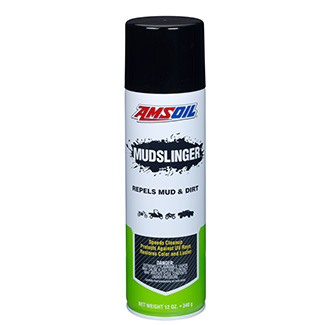
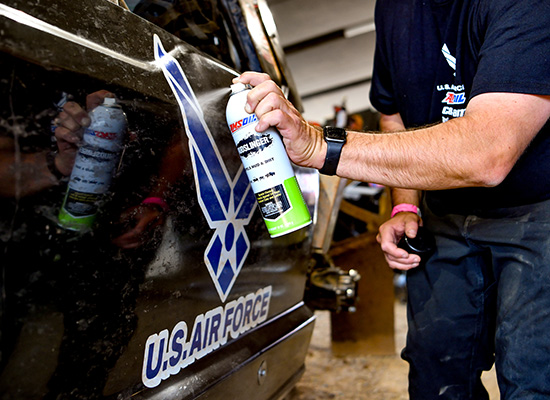
Aerosol packaging introduces another dimension of engineering: spray-pattern control. Different AMSOIL aerosol products use fan or stream patterns depending on their intended application. Valve selection, actuator geometry and internal pressure are all matched to product chemistry and use-case requirements, ensuring consistent delivery and optimal performance.
Packaged for Performance
Packaging is not an afterthought. From material compatibility and sealing integrity to user-focused designs and robust shipping cartons, every packaging decision is made to protect the performance built into the product. The result is a system that maintains quality from production through installation, reduces damage and waste, improves ease of use and reinforces trust in the AMSOIL brand. In the end, great lubricants require equally great packaging – we engineer both with intention and purpose.
Recommended AMSOIL products
Start with AMSOIL synthetic motor oil and find the exact AMSOIL products for all your vehicles with the AMSOIL Product Guide.



Comments
AMSOIL Market Manager and product expert.
Share: