

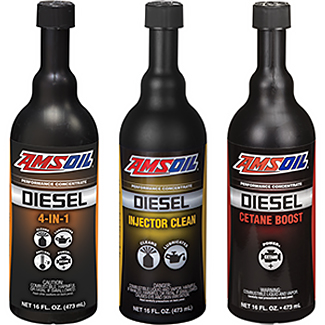
Up here in the northern U.S., we’ve entered the frigid winter season. We have to throw on an extra layer of clothing to combat temperatures well below zero and clear ice from our ice-fishing holes a little more frequently.
For those operating diesel vehicles, it’s also important to be wary of the fuel you’re using.
Diesel fuel can gel in winter
Diesel fuel contains naturally occurring paraffins (wax) that solidify in cold temperatures. Normally the wax is in liquid form, and because it provides high cetane value, it delivers a valuable benefit. When temperatures drop, wax crystals form and cling to one another. As temperatures continue to decrease, wax-crystal formation continues until it restricts the flow of fuel through fuel lines and filters, eventually stalling the engine. Wax formation in fuel is commonly known as “gelling.” Depending on the fuel, gelling can occur at temperatures below 32ºF (0ºC). Higher biodiesel blends, such as B20, can begin gelling at even warmer temperatures.

Cold-weather terminology
In addition to “gelling,” a few other common terms describe diesel cold-weather performance:
- Cloud point – The temperature at which wax crystals begin to form in diesel fuel. This is normally around 32ºF (0ºC), but can be as high as 40ºF (4ºC).
- Cold-filter-plugging point (CFPP) – The point at which wax crystals in untreated diesel fuel clog the fuel filter.
- Pour point – The lowest temperature at which diesel fuel maintains its ability to flow.


Comments
Product Development Engineer
Share: