Site icon AMSOIL Blog

Protecting Against LSPI – Even During Extended Drain Intervals

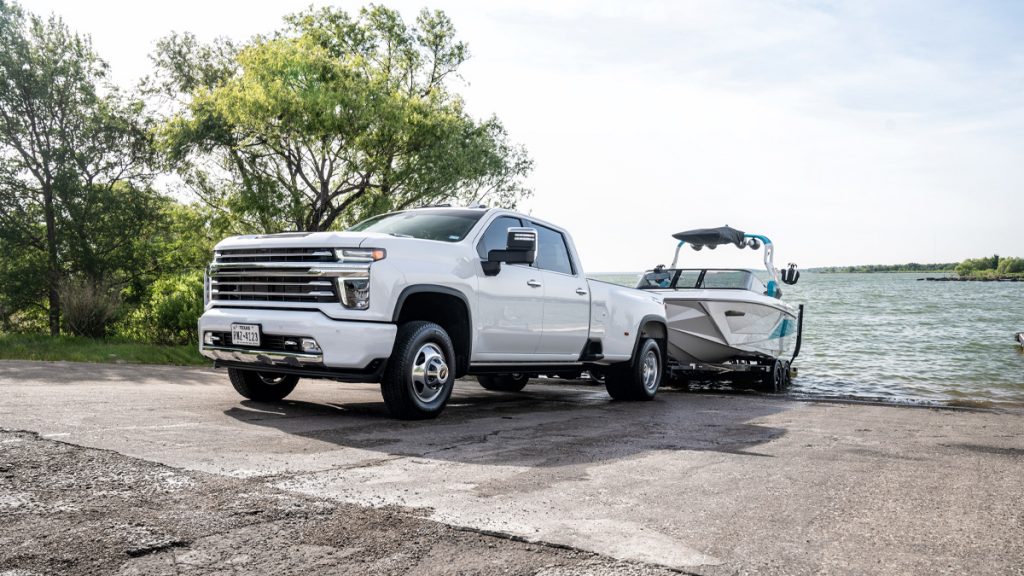
A Chevrolet Silverado pulls a boat from a lake. Low-speed, high-load moments like this are when LSPI most often strikes.

Modern gasoline engines are smaller, more powerful and more efficient than ever. Turbocharging and gasoline direct injection (GDI) help automakers deliver impressive horsepower and fuel economy from compact engine packages. But those same technologies introduced a serious challenge: low-speed pre-ignition (LSPI).

LSPI can destroy an engine in a single event. That’s why protecting against LSPI has become an important job for motor oil. AMSOIL Signature Series 100% Synthetic Motor Oil provides serious LSPI protection, even after the oil has aged through an extended service interval.

What Is LSPI?

Low-speed pre-ignition is an abnormal combustion event that occurs primarily in turbocharged gasoline direct-injection engines. Unlike normal combustion, which begins when the spark plug fires, LSPI occurs when the air-fuel mixture ignites unexpectedly before spark timing. The resulting pressure spike creates an extremely violent combustion event, often referred to as “super knock.”

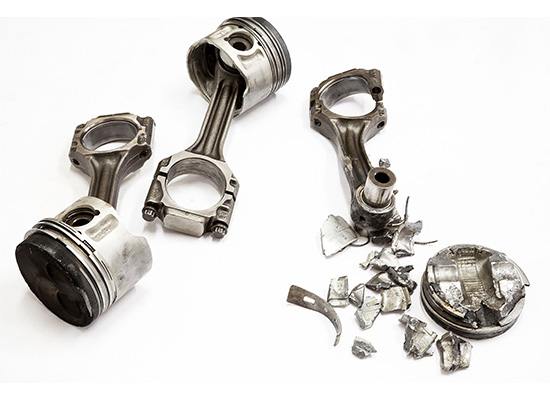
LSPI typically occurs under low-rpm, high-load operating conditions, such as accelerating hard from a stoplight or climbing a grade in a high gear. Although LSPI events are relatively rare and unpredictable, their consequences can be severe. In some cases, a single event can crack pistons, damage connecting rods or destroy an engine entirely.

The problem became prevalent enough that the automotive industry added new tests to the latest oil specifications, including API SN PLUS and later API SP, specifically to ensure the latest oil formulations help prevent LSPI.

Causes of LSPI

While researchers continue to study the phenomenon, evidence suggests LSPI occurs when fuel and oil droplets interact inside the combustion chamber under certain operating conditions. Fuel that contacts the cylinder wall can combine with oil, forming droplets that migrate into the combustion chamber and ignite prematurely.

Motor oil formulation has a direct impact on LSPI risk. Studies cited by automakers and the Society of Automotive Engineers (SAE) have shown that detergent chemistry can influence an oil’s ability to protect against LSPI. Oils engineered specifically for modern turbocharged GDI engines are formulated to reduce the likelihood of these damaging events.


AMSOIL Performance Testing

Laboratory tested and proven on the road.

See how AMSOIL products perform in the lab and in the field.

Check out the tests

Evaluating Protection Against LSPI

The Sequence IX test was developed to evaluate an engine oil’s ability to prevent LSPI in turbocharged GDI engines under boosted, low-speed, high-load conditions.

The Sequence IX test uses a Ford* 2.0-liter EcoBoost* engine and laboratory-aged oil. The oil is aged for 72 hours to simulate oil degradation over about 4,000 miles (6,437 km) of service. The engine is run at low speed and high load to simulate the environment where LSPI is most likely to occur. During testing, sophisticated in-cylinder pressure sensors continuously monitor combustion events. The system looks for abnormal pressure spikes and unusually early combustion signatures that indicate a pre-ignition event occurred.

Oil performance is then evaluated based on metrics such as the average number of pre-ignition events across the test and the maximum number of events observed during any single iteration. Oils that generate fewer events provide better LSPI protection.

Signature Series Raises the Bar

AMSOIL modified the test to increase severity and try to challenge Signature Series. All standard test protocols were followed, except we aged the oil for 25,000 miles (40,234 km) in a Ford Raptor equipped with a high-output 3.5-liter EcoBoost engine instead of 4,000 miles in a 2.0L EcoBoost.

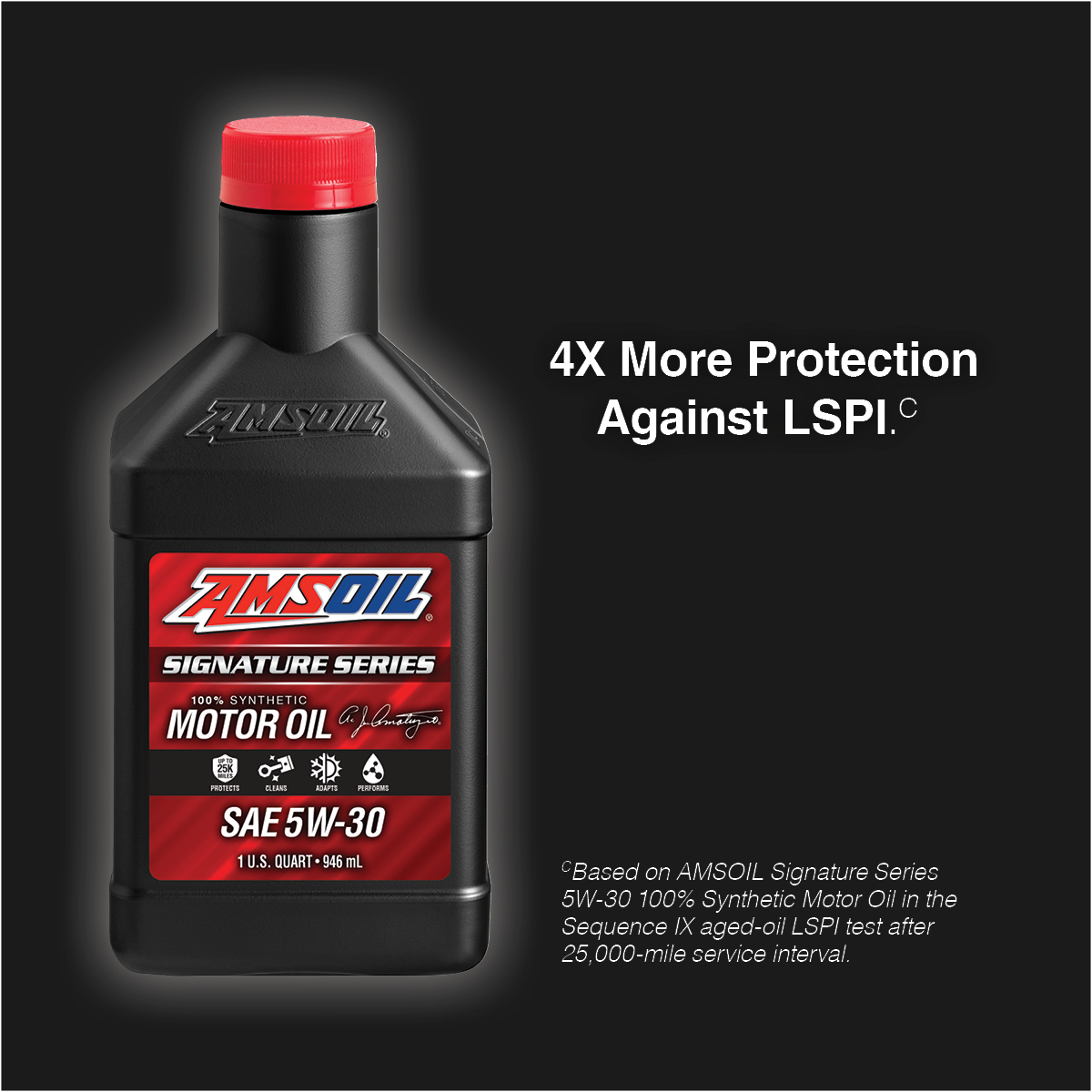
Even after 25,000 miles of use, Signature Series far exceeded the minimum requirements for protection against LSPI. The new formulation delivers four times more piston protection against LSPI than industry standards require, even after the oil completed a 25,000-mile service interval.1

Protection for Modern Engines

LSPI remains a real concern for modern turbocharged GDI engines. While lubricant manufacturers have made significant progress, the challenge isn’t simply protecting engines with fresh oil. It’s maintaining that protection mile after mile. AMSOIL Signature Series 100% Synthetic Motor Oil was developed with that goal in mind. By delivering outstanding performance in a boosted aged-oil LSPI test, it provides drivers confidence that their oil is protecting critical engine components throughout the entire drain interval, not just at the beginning. For anyone who depends on their vehicle, that’s protection that counts.

1Using AMSOIL Signature Series 5W-30 100% Synthetic Motor Oil following a 25,000-mile service interval in the Sequence IX aged-oil LSPI test.