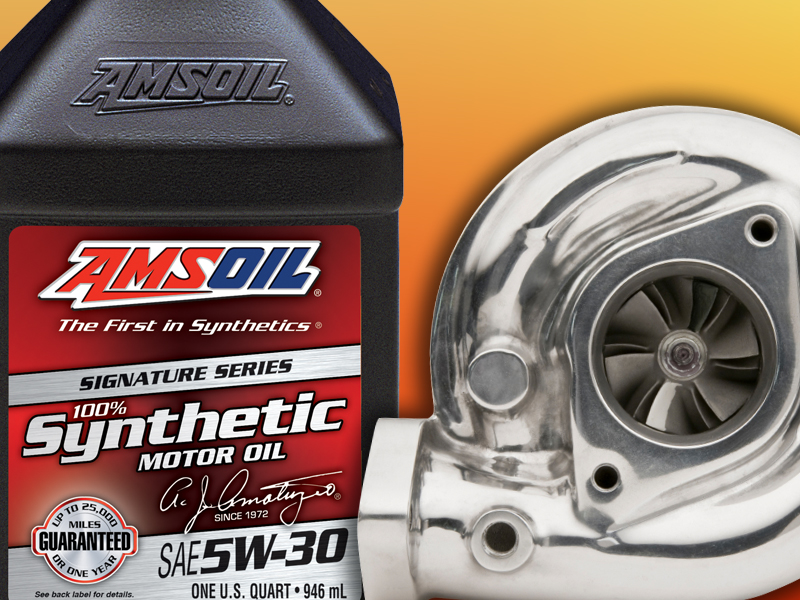
How Turbos Could Slow You Down
The deposits common to turbochargers can lead to:- Blocked oil passages, oil starvation and eventual failure
- Reduced turbine speed – resulting in lower boost pressures, reduced performance and poor efficiency
- Oil breakdown and oil burning
- Expensive turbo rebuild or replacement
The GM Turbo Coking Test
The Turbo Coking Test was designed to simulate the extreme operating conditions of a turbocharged engine. It evaluates a motor oil’s ability to resist deposit buildup in the oil passages and bushings of a turbocharger. Temperature increases within the turbo and the weight of any deposits are recorded.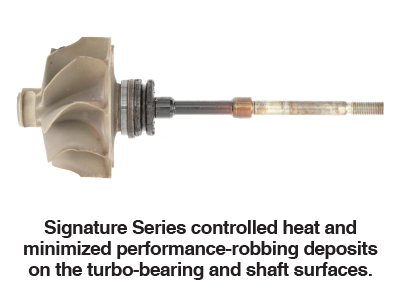
Test Parameters
| Engine | 2012 GM 1.4L |
| Duration | 2,000 cycles of extreme heat soaks – approximately 537 hours |
| Measures | A motor oil’s ability to resist deposits in a turbocharger’s oil passages and bushings |
| Simulates | High-heat operation of a turbocharged engine |
| Requirement | Temperature change within the turbocharger limited to 13% |
1Based on independent testing of AMSOIL Signature Series 5W-30 in the GM Turbo Coking Test as required for the GM dexos1 Gen 2 specification.
All products advertised here are developed by AMSOIL for use in the applications shown.
Recommended AMSOIL products
Start with AMSOIL synthetic motor oil and find the exact AMSOIL products for all your vehicles with the AMSOIL Product Guide.



Comments
Share: