


Anyone who has purchased a new vehicle knows its value depreciates the instant it’s driven off the lot. In some ways, lubricants behave the same way. Once you install an oil or transmission fluid, it begins to age, especially conventional lubricants.
Oxygen reacts with the lubricant and results in a permanent chemical change where oil picks up oxygen and gets thicker. Just like oxygen attacks metal surfaces and causes corrosion it negatively affects lubricants and reduces their ability to lubricate cool and protect components. Excessive heat speeds the oxidation process. In fact, every 10°F (10°C) increase in temperature doubles the rate of oxidation.
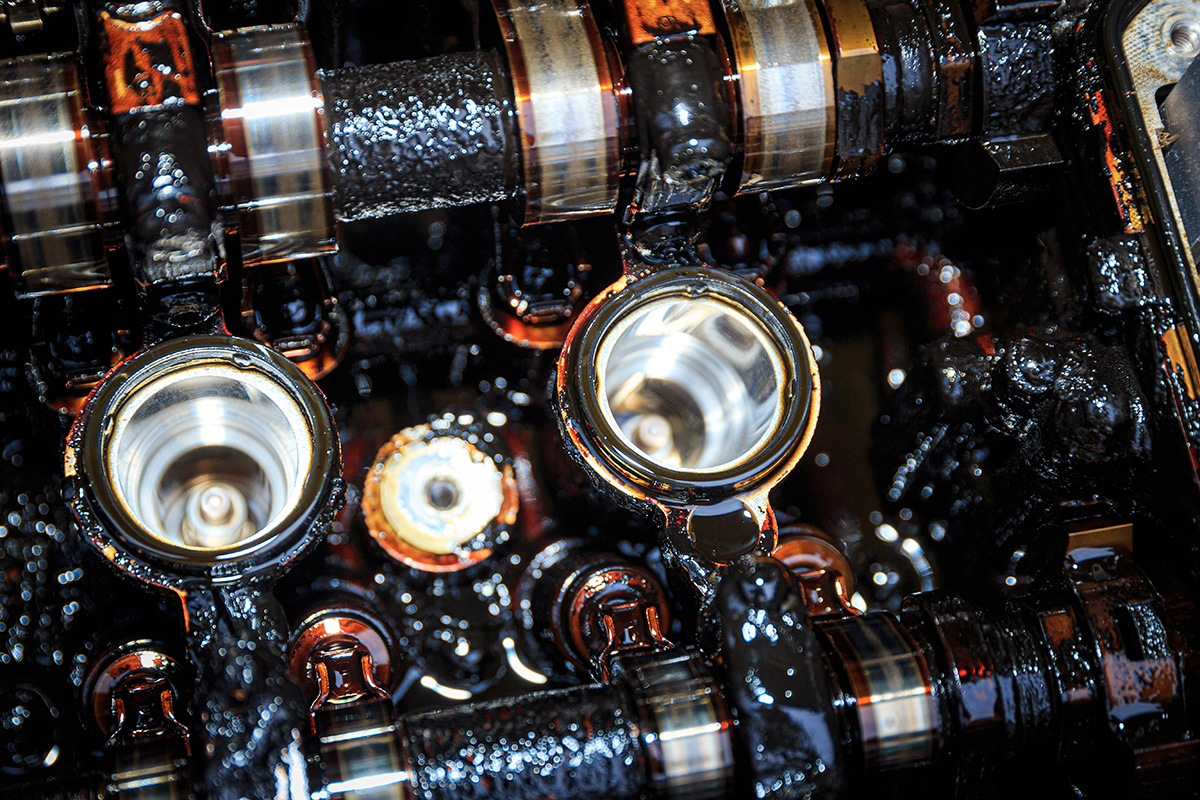
Adding to the challenge, contaminants begin to form during normal operation. In engines hot combustion gases can blow by the piston rings and contaminate engine oil. Glycol from engine coolant, water that forms with temperature fluctuations, soot (in diesels) and fuel are other common contaminants that affect lubricants. Left unchecked, contaminants accelerate chemical reactions, which overloads the lubricant and causes the formation of sludge – a gelatinous substance that wreaks havoc in engines.
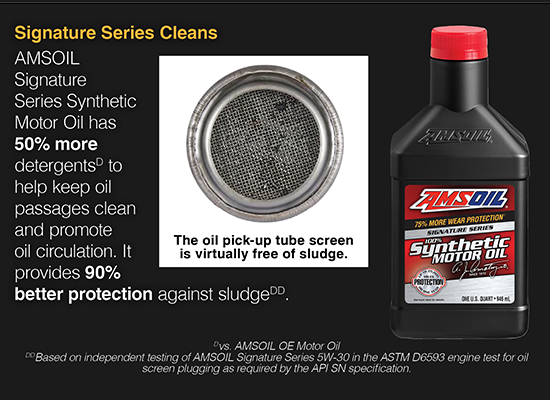
Sludge can block the oil passages and oil-pump pick-up screen, resulting in oil starvation. You don’t have to be an engineer to know what eventually happens to an engine that runs without oil. Often, the negative effects are cumulative rather than sudden. Many engines with variable valve timing (VVT) use oil-pressure-operated mechanical devices to change valve timing, duration and lift. Sludge can plug the solenoid screen or oil gallies and impact the operation of VVT mechanisms, eventually leading to a costly repair bill. Sludge reduces efficiency and increases time and money spent on maintenance.
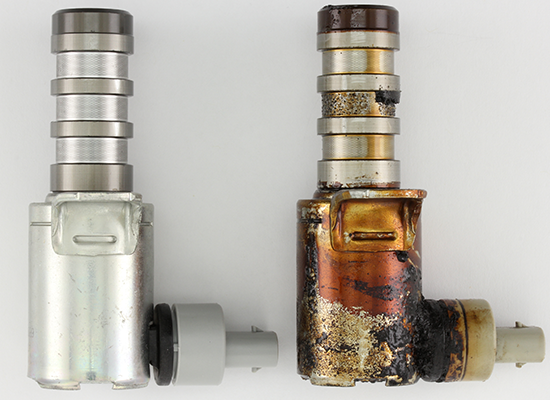
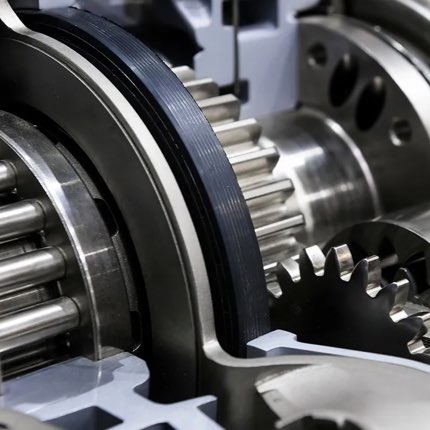
Although we typically associate sludge with engines, it also affects transmissions, particularly those used in severe-service applications. Modern automatic transmissions feature a dizzying array of oil passages, gears, clutch packs and electronics. A steady supply of clean, high-quality transmission fluid is vital to getting the most out of your transmission. Sludge can clog the narrow oil passages and cause delayed or elongated shifts. Just as in engines, severe cases of sludge in transmissions can plug filters, leading to starvation and catastrophic failure.
Given the laws of chemistry, it seems nearly impossible to protect your vehicles against sludge, especially since modern engines and transmissions run hotter than their predecessors. But the good news is, high-quality synthetic lubricants resist the tendency to form sludge while extending oil service.


Comments
AMSOIL Market Manager and product expert.
Share: