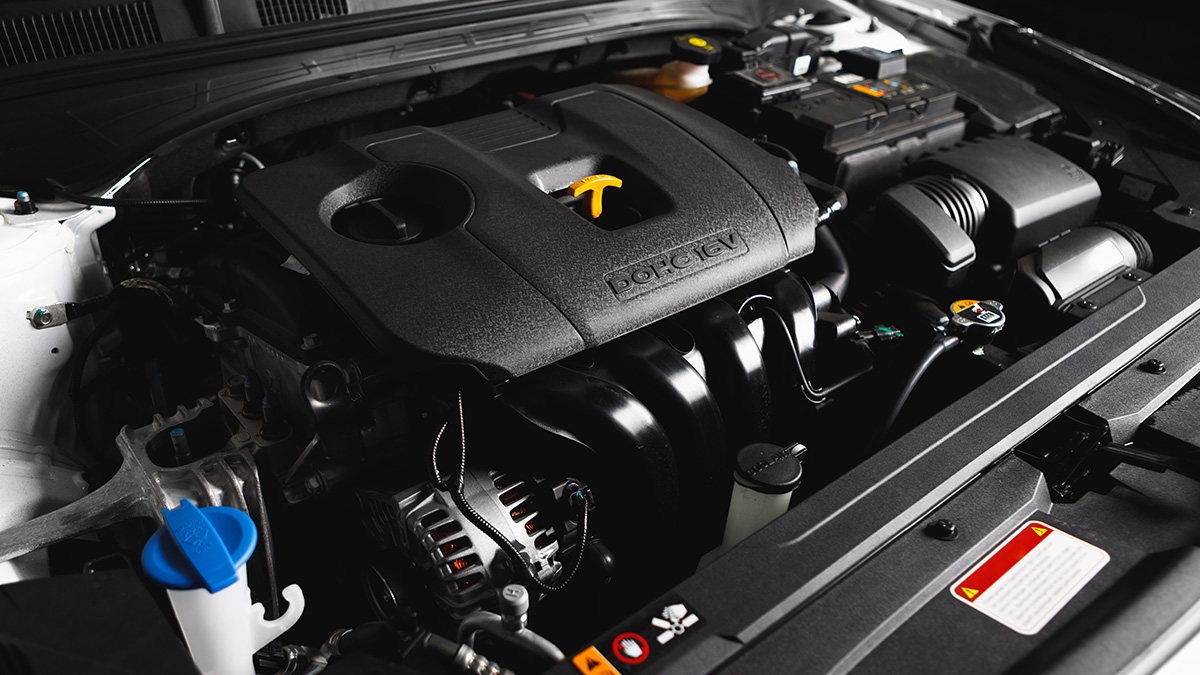


The fundamental goal is to seat new piston rings against a fresh cylinder wall to create a tight, efficient seal. Every engine, builder and application brings its own nuances, so there’s no universal, one-size-fits-all procedure, but the oil you choose can make all the difference.
Why Break-In Matters
Freshly machined cylinders are full of microscopic peaks and valleys. The goal during break-in is to wear down those peaks just enough for the rings to seat tightly, without glazing the cylinder or causing excessive wear. If you don’t apply enough load, the rings won’t seat properly, leading to poor compression and increased oil consumption. Too much load and you risk damaging the rings, pistons or cylinder walls. The “art” of break-in is finding that sweet spot of enough load and rpm variation to promote proper seating, but not so much that you cause harm.

The Role of Break-In Oil
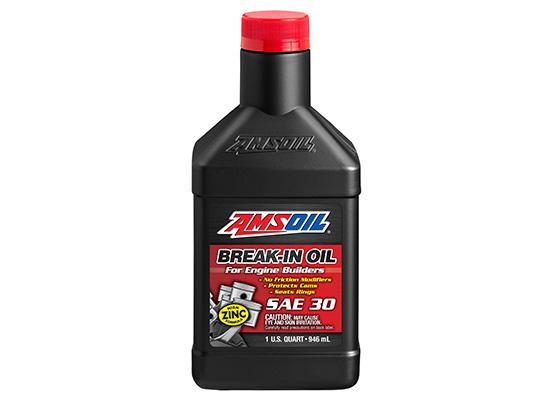
A specifically designed break-in oil helps maintain “controlled wear” at the ring-cylinder interface. However, most modern engine oils are loaded with friction modifiers like molybdenum (moly), which are great for reducing wear in a mature engine, but can actually prevent the rings from seating during break-in. AMSOIL Break-In Oil (BRK) is formulated without friction modifiers, allowing the right amount of wear to occur for optimal ring seating.



Comments
Product Development Engineer
Share: