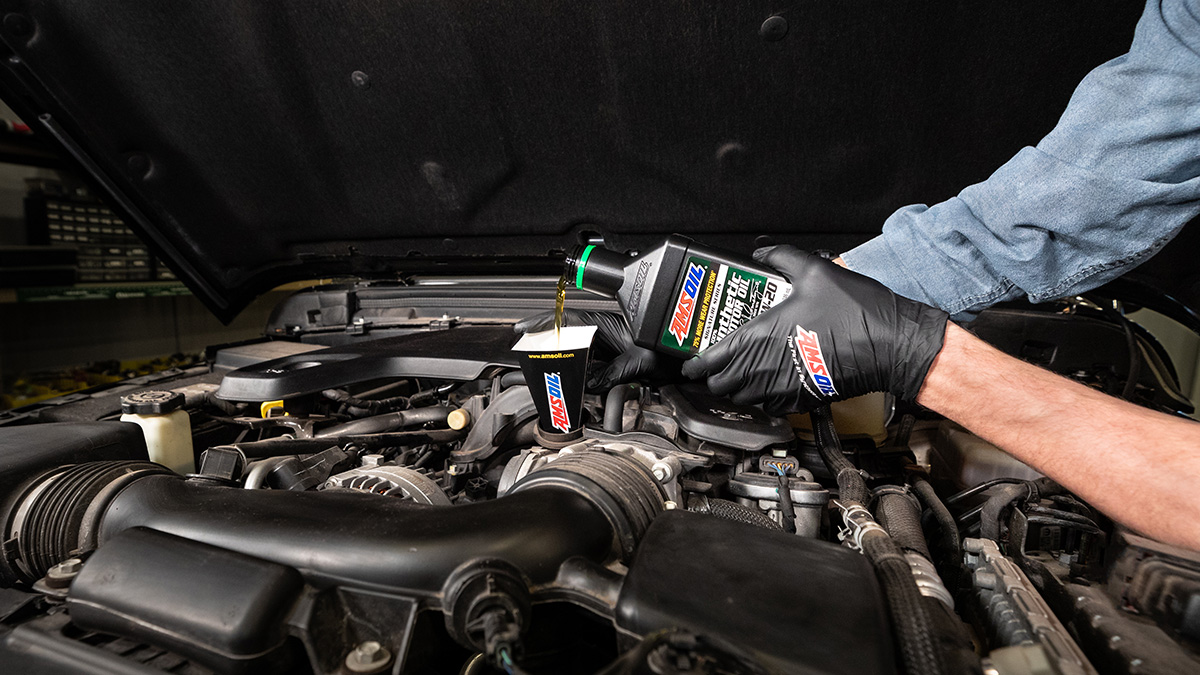


I think most people have an idea of what lubrication is and that it is required to keep moving parts moving and prevent them from coming into contact with one another. In other words, we want the lubricant to minimize the effects of friction and protect moving parts.
Friction is both a positive and negative force in our daily lives. It is essential for everyday tasks such as walking, where friction gives you the ability to create traction between yourself and the ground. It is also the principle behind the braking systems found in automobiles. Friction can also be our enemy. The heat generated as a result of friction can cause damage.
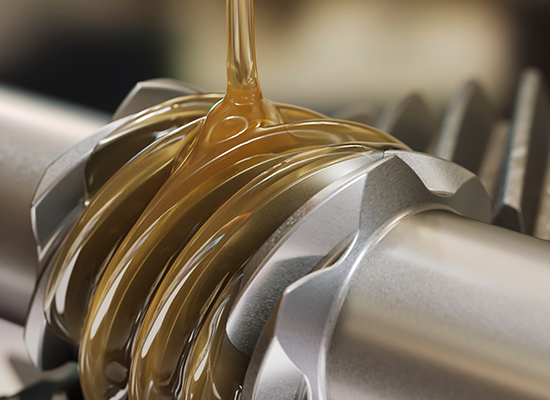
An oil’s primary function is reducing friction. It does this by creating a film between surfaces to prevent contact, thereby reducing friction. However, lubricants are frequently needed to do more than just provide a slippery film between moving surfaces in contact. They are tasked to carry out several other functions, some of which might not immediately spring to mind when you think about engine oils or other lubricants. Let’s take a closer look at six not-so-obvious lubricant functions.
Comments
AMSOIL Market Manager and product expert.
Share: