
Unbreakable Timing Chain Protection

Like any component, the timing chain can wear, leading to expensive issues or even catastrophic engine failure.

Shop the article

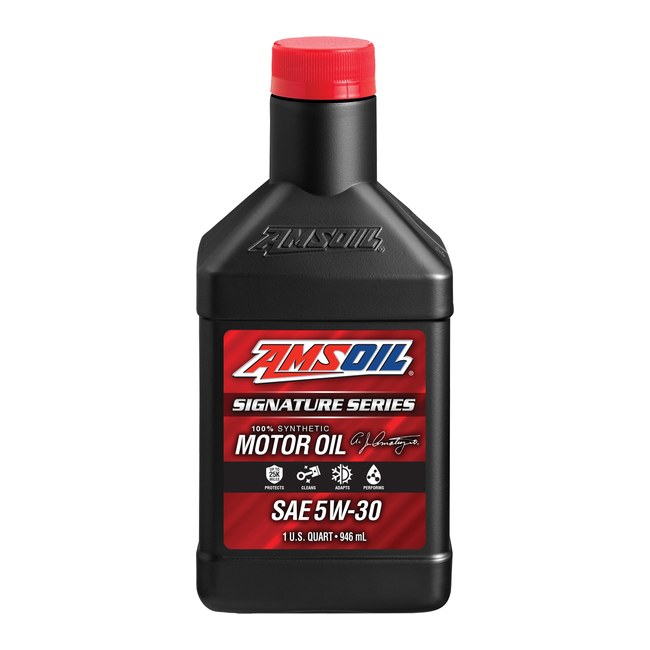
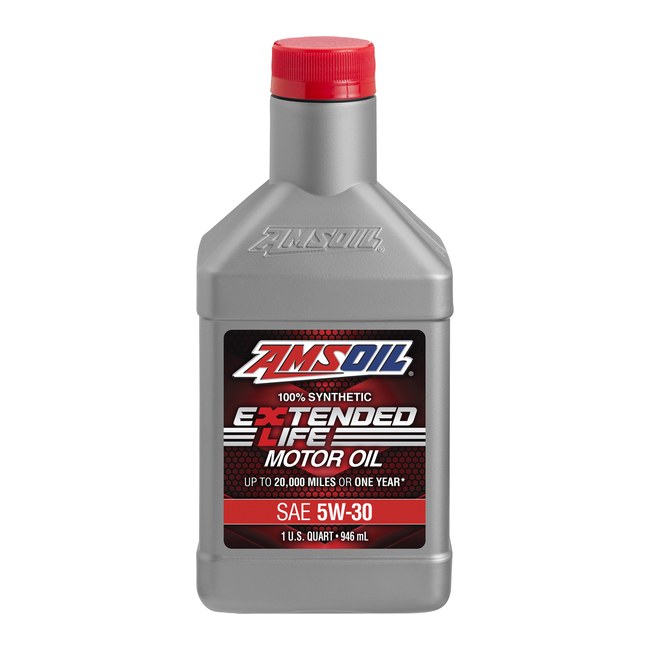
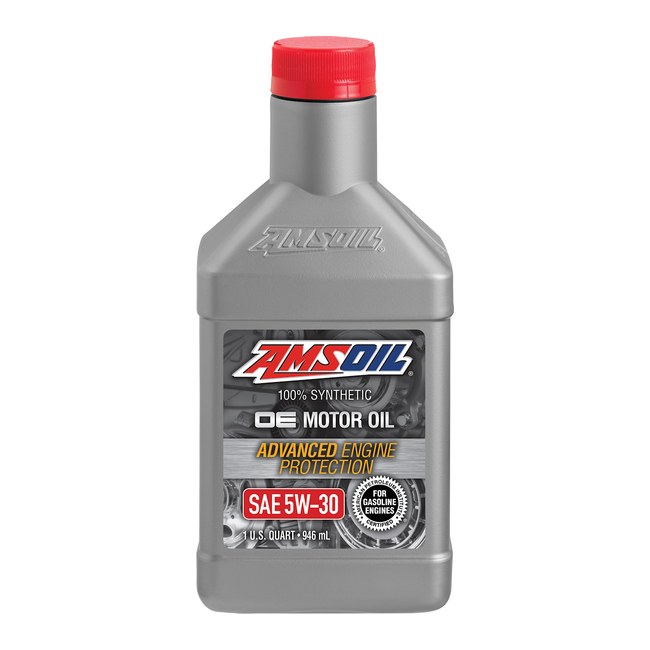
AMSOIL Signature Series 100% Synthetic Motor OilAMSOIL Signature Series 100% Synthetic Motor OilAMSOIL Extended-Life 100% Synthetic Motor OilAMSOIL Extended-Life 100% Synthetic Motor OilAMSOIL OE 100% Synthetic Motor OilAMSOIL OE 100% Synthetic Motor Oil
Brad Nelson
by Brad Nelson
September 11, 2025

There is an essential component to the operation of any engine that often goes unnoticed until trouble strikes — the timing chain. But like any component, the timing chain can wear, leading to expensive issues or even catastrophic engine failure.

The timing chain provides a mechanical linkage that ensures all moving parts work in perfect harmony. It connects the camshaft, which controls the opening and closing of the valves, to the crankshaft, which is attached to the pistons. In this way, the timing belt ensures that fuel and air enter the engine and exhaust gases exit in synch with the motion of the pistons.

Unlike timing belts, which are made of rubber and require periodic replacement, timing chains are constructed from durable metal links, much like a burly bicycle chain. Timing chains are housed inside the engine where they are protected from contamination and lubricated by engine oil to reduce friction and wear. This design allows them to last significantly longer, hopefully for the life of the vehicle, provided they are properly maintained.

However, even with their robust design, the timing chain is not immune to wear. Over time, factors such as extreme use, insufficient lubrication, soot buildup, high mileage or poor maintenance can lead to issues like chain stretch or damage to the tensioners and guides. These problems can disrupt the engine’s timing, leading to symptoms such as rough idling, engine misfires or even catastrophic failure.

Timing-chain stretch

Timing-chain stretch, when the chain lengthens beyond its original specification, is a common issue with timing chains. This elongation can disrupt the precise timing of the engine, throwing off synchronization and leading to poor engine performance. The leading culprit? Soot in the motor oil.

Although most people associate soot with old-fashioned diesel engines, modern gasoline-direct-injected (T-GDI) engines can produce more soot than older diesels not equipped with a particulate filter.

Soot can accumulate in the motor oil of T-GDI engines. The tiny particles can agglomerate into larger, wear-causing particles that cause problems inside the engine before the oil filter has a chance to capture them. These particles appear to be causing accelerated timing-chain stretch on some vehicles. In fact, Ford* issued a technical service bulletin (#14- 0194) in 2020 that acknowledged timing-chain wear as a problem in certain vehicles equipped with its popular 3.5L EcoBoost* engine (the problem has since been resolved).

Soot particles can lodge in the tiny clearances between the links and pins of the timing chain. They slowly scour the metal surfaces as the engine is running, enlarging the clearances. After a while, the timing chain elongates. It doesn’t actually “stretch” like a rubber band. Instead, the enlarged clearances between the links and pins create slack, effectively increasing the chain’s length. While the tensioner can take up some of the slack, it has its limits.

The problem is well documented. Ford* issued a technical service bulletin (#14-0194) that acknowledges timing-chain wear in certain vehicles equipped with its 3.5L EcoBoost* engine. The stretch itself is small: a roughly 43-inch (109.22 cm) chain that grows to 43.1 inches (109.474 cm) or more is enough to cause trouble.

If the chain stretches beyond the capability of the tensioner, the camshaft and crankshaft sensors can trigger an engine code and even send the engine into “limp” mode. Other issues include worn sprockets, faulty tensioners and chain slack.

Once slack or damage has developed, it can cause the timing chain to jump teeth on its sprockets, which may result in valve or piston damage and, in severe cases, catastrophic engine failure.

Warning signs

Detecting timing-chain problems early can prevent major repairs down the road. Some of the most common warning signs include…

Unusual noises

A rattling or clanging noise, especially at startup, is often a telltale sign of timing-chain slack or failing tensioners.

Engine misfires or rough idling

A stretched timing chain can disrupt the engine’s firing sequence, leading to misfires or unstable engine performance, particularly during idling.

Check-engine light

If your check engine light comes on, it’s worth investigating whether the timing chain could be the culprit.

Poor performance

A timing-chain problem may reduce engine power, fuel efficiency or overall performance, making it more difficult to accelerate or maintain speed efficiently.
AMSOIL mobile app shown on three smartphone screens with Google Play and App Store download buttons

Get the AMSOIL App

  • Add vehicles with plate and VIN scanner
  • Track maintenance in MyGarage
  • Fast and secure online ordering
  • Quick delivery right to your door
Get the AMSOIL App
AMSOIL mobile app shown on three smartphone screens with Google Play and App Store download buttons

The Role of Motor Oil

Timing chains depend on proper lubrication to reduce friction and wear between the chain links, sprockets and tensioners. Without adequate lubrication, these components can overheat and wear prematurely.

If you drive a T-GDI engine that’s known to suffer from timing-chain stretch, it’s a smart move to use a premium synthetic oil and a high-quality oil filter to help fight soot-induced timing-chain wear.

To combat the issue of soot, the industry developed the Sequence X Engine Test (ASTM D8279) specifically to measure an oil’s ability to resist soot and fight timing-chain stretch. It’s part of the API SP and ILSAC GF-6 motor oil specifications introduced in May 2020.

The test uses a Ford 2.0L EcoBoost engine run a total of 216 hours throughout a series of cycles. The timing chain is measured after break-in and again following the test. The pass/ fail criteria is ≤0.085% timing-chain elongation.

AMSOIL Protection

AMSOIL Signature Series 100% Synthetic Motor Oil, Extended Life 100% Synthetic Motor Oil and OE 100% Synthetic Motor Oil all passed the Sequence X Engine Test, proving their excellent protection against timing-chain stretch. These oils guard against timing-chain wear in modern T-GDI engines to help prevent timing-chain stretch.

AMSOIL synthetic motor oils protect timing chains on several fronts:

  1. Enhanced wear protection

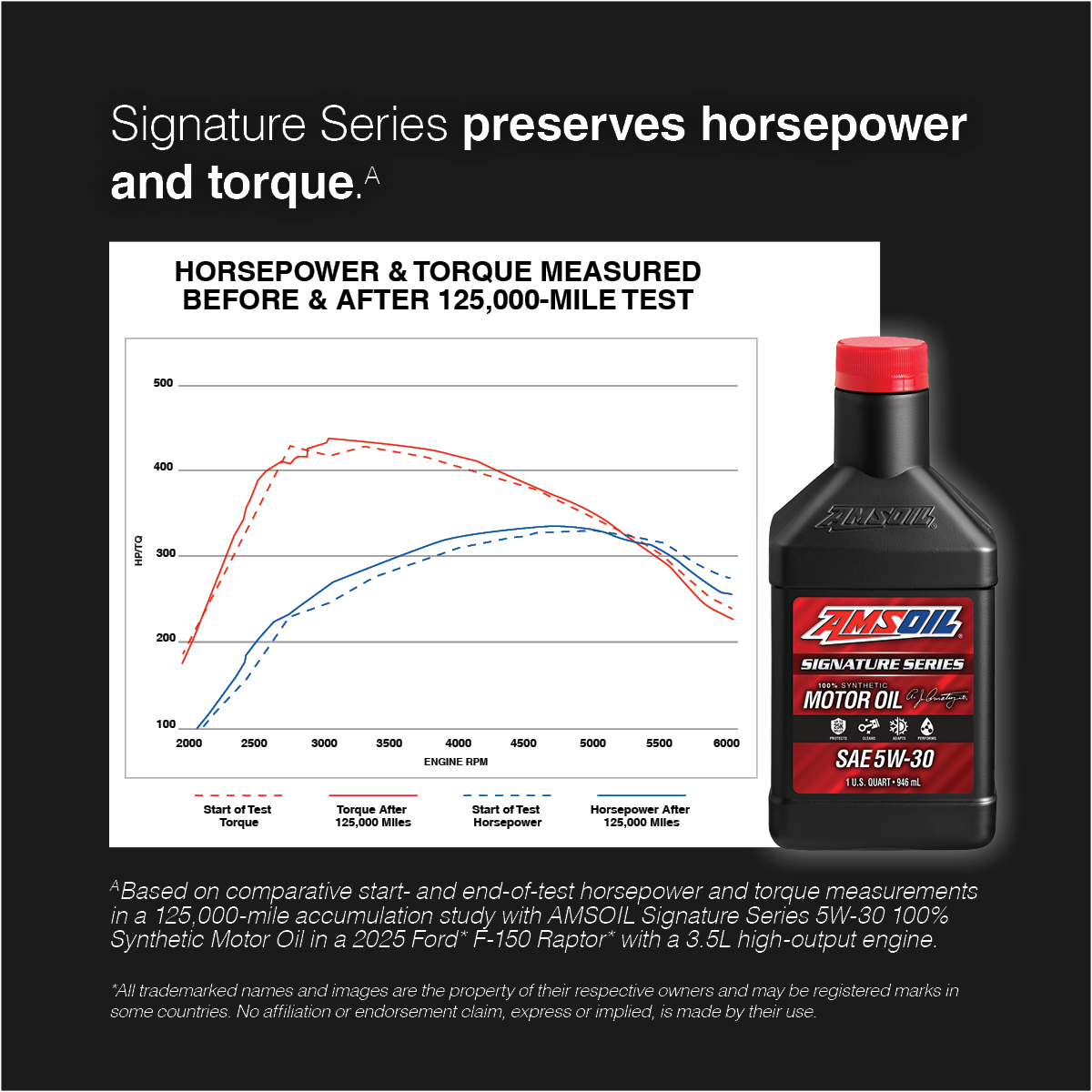
AMSOIL synthetic motor oil uses naturally shear-resistant base oils combined with top-tier, shear-stable viscosity improvers that withstand extreme heat and shearing forces. Robust anti-wear additives further reduce wear in metal-to-metal contact regions for maximum component life. The result? Signature Series 100% Synthetic Motor Oil maintained horsepower and torque throughout a 125,000-mile test.1

  1. Outstanding engine cleanliness

Sludge is a thick, dark residue composed of combustion or oxidation byproducts. It can also be formed by wear particles, water, fuel and coolant. These contaminants are often acidic and have polarity within their molecular structure, meaning they are insoluble in the motor oil. Signature Series is fortified with a heavy treatment of detergent additives. In a 125,000-mile study on a 2025 Ford F-150 Raptor, the engine experienced 0% oil screen plugging.2 In Sequence IIIH testing, Signature Series delivered 72% more protection against piston deposits than required by industry standards, helping engines stay cleaner, longer.3

  1. Superior thermal durability

Whether starting an engine in extreme cold or towing in sweltering heat, the timing chain needs to remain protected. AMSOIL Signature Series flows quickly at startup to help protect engine components, while its superior thermal durability and shear-stable formula maintain protection under extreme heat and pressure.

Chain reaction

While often overlooked, the timing chain plays a crucial role in engine performance. Staying alert to potential problems and responding quickly can help avoid major repairs or even catastrophic engine failure. AMSOIL motor oils provide excellent protection for timing chains and other components, helping ensure engine performance, reliability and longevity.

1Based on comparative start- and end-of-test horsepower and torque measurements in a 125,000-mile accumulation study with AMSOIL Signature Series 5W-30 100% Synthetic Motor Oil in a 2025 Ford* F-150 Raptor* equipped with a 3.5L high-output engine. 2As demonstrated in a 125,000-mile accumulation study using AMSOIL Signature Series 5W-30 100% Synthetic Motor Oil in a 2025 Ford* F-150 Raptor* equipped with a 3.5L high-output engine which had 0% oil-screen plugging. 3Based on AMSOIL Signature Series 5W-30 100% Synthetic Motor Oil results in the Sequence IIIH test.

This article is part of our Signature Series guide. See every article in the guide.

Recommended AMSOIL products

Start with AMSOIL synthetic motor oil and find the exact AMSOIL products for all your vehicles with the AMSOIL Product Guide.

by Brad Nelson

Brad Nelson is an AMSOIL Technical Writer II who develops content about lubricant technology, product performance and vehicle maintenance. He works with engineers and product specialists to translate testing, application requirements and approved performance claims into clear customer guidance. Nelson’s work includes AMSOIL Blog articles, AMSOIL Magazine features and technical explanations concerning motor oils, gear lubricants, vehicle systems and maintenance practices.

Shop the article

AMSOIL Signature Series 100% Synthetic Motor OilAMSOIL Signature Series 100% Synthetic Motor OilAMSOIL Extended-Life 100% Synthetic Motor OilAMSOIL Extended-Life 100% Synthetic Motor OilAMSOIL OE 100% Synthetic Motor OilAMSOIL OE 100% Synthetic Motor Oil

More like this