

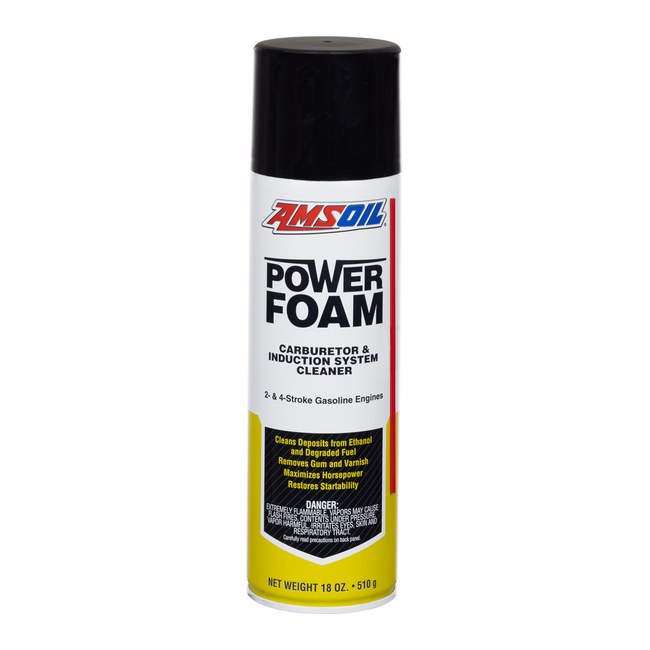

One of the biggest reasons people junk their lawnmower, string trimmer, chainsaw or other equipment is because it starts hard and runs rough. The problem is often a dirty carburetor or carbon buildup in the engine, and the solution is AMSOIL Power Foam.
How the carburetor gets dirty
Over time, oxygen deteriorates the gasoline in the carb, leading to the formation of varnish and other deposits that stick the float, block the screens and plug the tiny fuel passages.
The result? Fuel that doesn’t flow properly and an arm nearly ripped from its socket from fruitlessly yanking the starter cord.
Lawnmower Won’t Start? Do this.

Engine deposits are another problem
Carbon buildup creates additional problems.
The combustion chamber grows intensely hot during operation. Heat breaks down motor oil, creating carbon that can lodge in the ring lands and cause the piston rings to stick.
Stuck rings reduce engine compression, which makes starting more difficult and can cause the engine to run rough.
Gasoline byproducts can form deposits on the piston crown, which can lead to pre-ignition. That’s when a super-heated chunk of carbon ignites the fuel/air mixture before the spark plug fires, causing a shock wave in the cylinder that can lead to piston damage.
In two-stroke engines, deposits can block the exhaust port or spark arrestor screen, choking off airflow and leading to rough-running. If bad enough, the engine will quit running altogether.

Weed Eater Won’t Start? Try This
Prevention is the best medicine
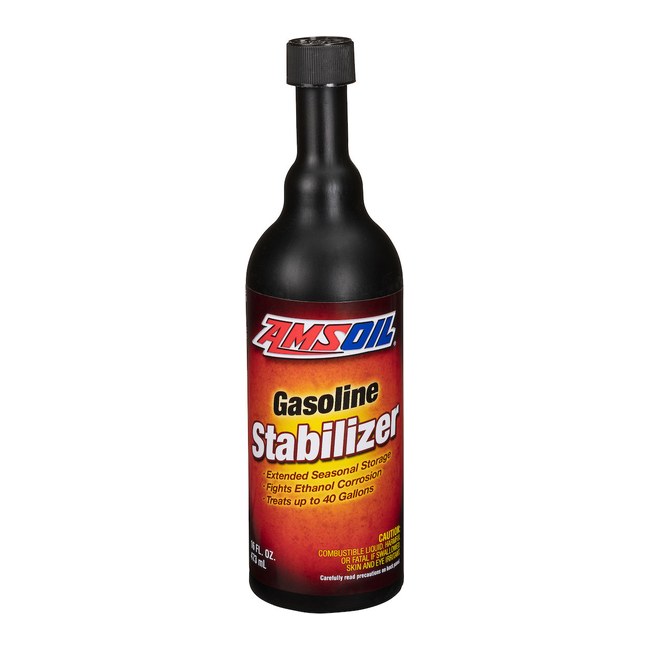
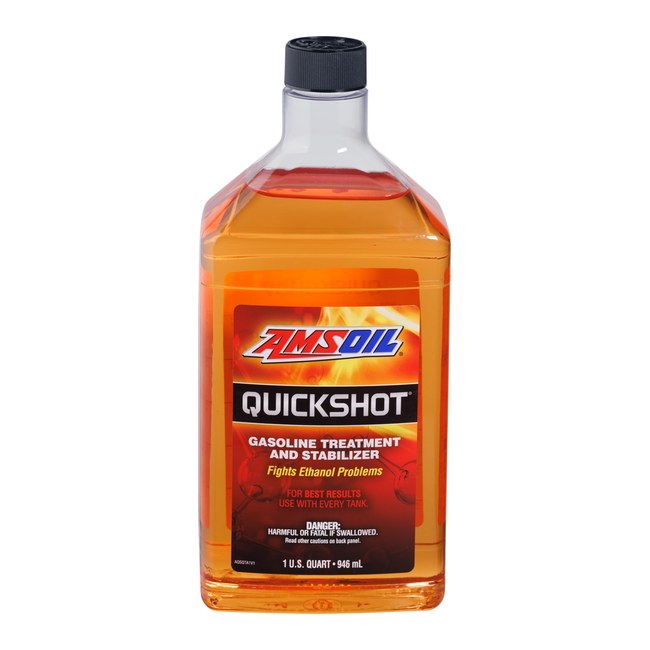
An effective way to prevent a hard-starting, rough-running lawnmower or other equipment is to treat gas with gasoline stabilizer prior to storage and to periodically clean the carburetor and combustion chamber with a good fuel additive.
If your engine and carburetor are already dirty and causing grief, clean them with AMSOIL Power Foam. It’s a potent cleaning agent that…
- Cleans deposits from ethanol and degraded fuel
- Removes gum and varnish
- Maximizes horsepower
- Restores startability
- Helps improve fuel economy
- Reduces pollution
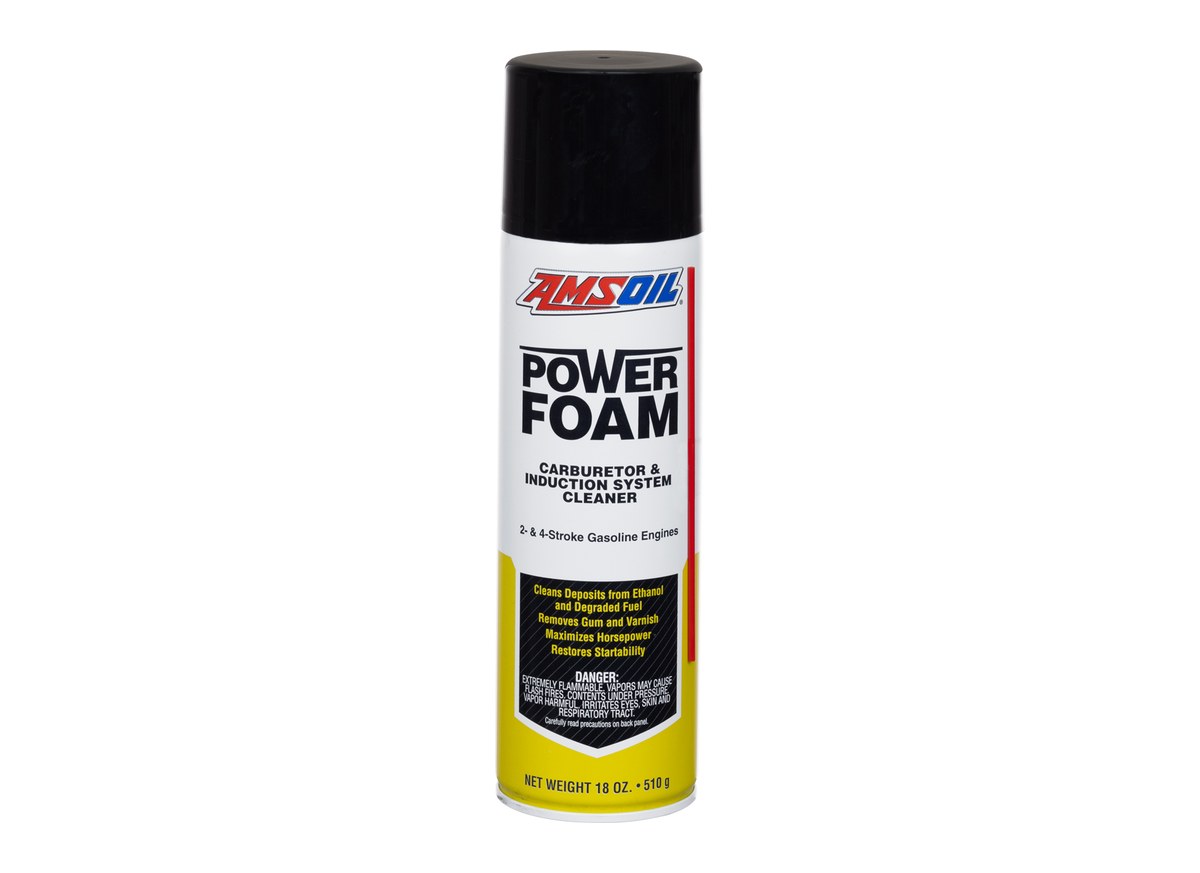
How to Use AMSOIL Power Foam
Power Foam will not damage seals, gaskets, rubber or plastic materials commonly used in gasoline engines. And, as the video shows, it is simple to use.
Video transcript: How to Use AMSOIL Power Foam.®
If you have equipment that doesn’t idle well, doesn’t start, or just doesn’t run as good as it used to, you’re not alone. These are common issues that happen in two-stroke and four-stroke engines that sit in storage over time. The issue? Degraded fuel or ethanol will create deposits, gum, and varnish in the carburetor that will decrease the performance.
The solution? AMSOIL Power Foam. In order to use Power Foam, you will first need to drain the gas so that you know your issues aren’t due to old gas. Next, refill with fresh gas.
In order to administer Power Foam, you will need to start by removing the air cleaner assembly. Before administering Power Foam, be sure you’re working outside or in a well-ventilated area. Next, start the engine. With the engine running, spray Power Foam directly into the throttle body as fast as possible without stalling the engine.
It is normal to see considerable white exhaust smoke and to smell a distinct odor. You may need to rev the engine above idle to keep it running. Volume of use depends on the application, but a general rule is that once the sound of the engine improves and it begins running more smoothly, give the carburetor one more good shot of Power Foam to choke out the engine. Allow the engine to sit for five minutes.
Restart the engine and let it run for another five minutes. If operation is fully restored, reinstall the air cleaner. If not, repeat treatment with Power Foam. Remember, for all four-stroke engines, you will need to change the oil after treating with Power Foam.
Your engine should now run more efficiently, start more easily, and have more power. To get your Power Foam, order from amsoil.com today.
How to use AMSOIL Power Foam
Total Time: 20 minutes
Drain the gasoline
Remove the old gasoline from the fuel tank. This ensures problems with difficult starting or rough running aren’t due to stale gasoline. Refill the tank with fresh gas.
Remove the air cleaner
To use Power Foam, you need to remove the air-cleaner assembly and air filter. This provides ready access to the intake.
Start the engine and administer Power Foam
Either outside or in a well-ventilated area, start the engine and spray Power Foam into the throttle body as fast as possible without stalling the engine. It’s normal to create considerable white exhaust smoke and smell a distinct odor. You may need to rev the engine to prevent it from stalling.
Continue spraying Power Foam
The amount of Power Foam you’ll need depends on the size of the application, but, as a rule of thumb, continue spraying Power Foam until the engine runs smoothly. Then give it one last shot to choke out the engine.
Let the engine sit
Allow the engine to sit for five minutes. This allows Power Foam to dissolve carbon deposits.
Restart the engine
Then, start the engine again and let it run another five minutes.
Reinstall the air cleaner
If the engine is now running properly, shut it down and reinstall the air cleaner. If not, repeat treatment of Power Foam.
Change oil
In four-stroke engines, change the oil prior to using the equipment again. This removes any contaminants that may have accumulated in the oil during treatment with Power Foam.
After using Power Foam, your engine should start more easily, run better and have more power.



Comments
David Hilgendorf is an AMSOIL Technical Writer who develops content for automotive, powersports and industrial audiences. His work includes technical data sheets, magazine articles, blog posts, white papers, product literature and application guidance. Hilgendorf works with engineers, laboratory personnel and technical specialists to communicate lubricant testing, product performance, maintenance practices, metalworking fluids, grease, motorcycles, marine equipment and industrial reliability.
Share: