
MIG Welding
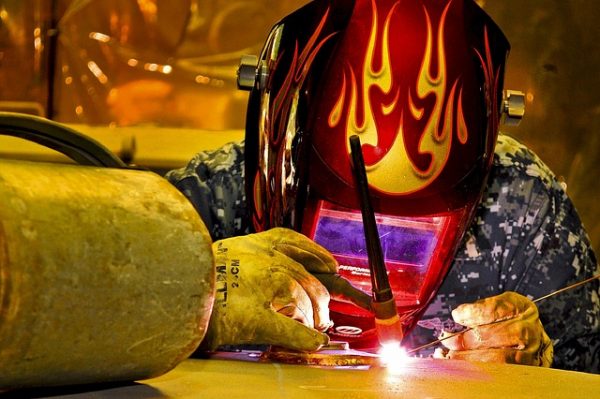
MIG welding is more properly called gas metal arc welding. It uses a wire fed through the machine itself as the filler material. MIG stands for “metal inert gas” since inert gases are used to shield the arc. CO2 is used, but usually it’s blended with argon or another gas. This helps keep the arc stronger and more focused. In this type of welding, it’s the filler material that fuses with the base metals. The sections that you join don’t have to be the same, which means you have greater versatility with what you join. MIG is great for a newcomer to welding. It’s relatively easy to learn and is a one-handed operation. The range of materials you can work with is limited, however. MIG welding isn’t powerful enough for cast iron, but it’s too powerful for aluminum.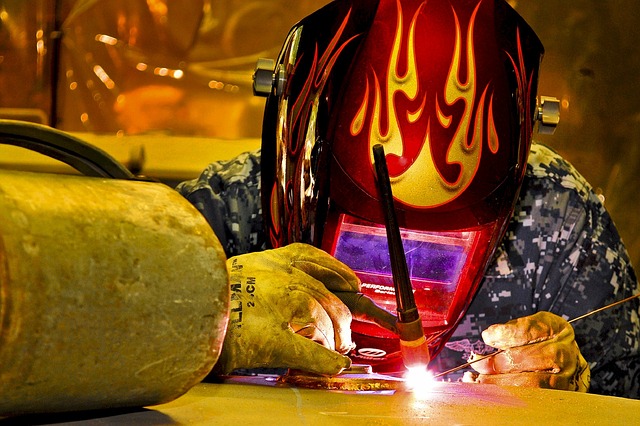
TIG Welding
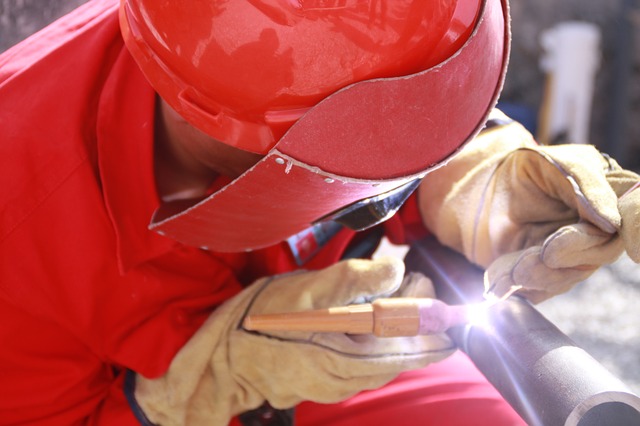
TIG refers to tungsten inert gas, also called gas tungsten arc welding. This process is a bit newer than MIG. It was developed around World War II mainly for dealing with the lighter metals used in aircraft construction. TIG is always used to join two pieces of the same type of metal since the pieces themselves are actually fused. Because it requires two hands, TIG is a bit more difficult to master than MIG. But it’s a useful technique to take up if you want to deal with thinner, more delicate metals. TIG uses a long-lasting tungsten electrode. In this case, a filler rod is held in the offhand while the welding nozzle melts it into the joint. TIG depends on argon, which is sometimes mixed with helium to create a hotter arc. Since the filler rods are thinner than other stick rods, the weld is thinner. This helps make TIG the cleanest type of welding. It’s great for auto body work and even for metal sculpture.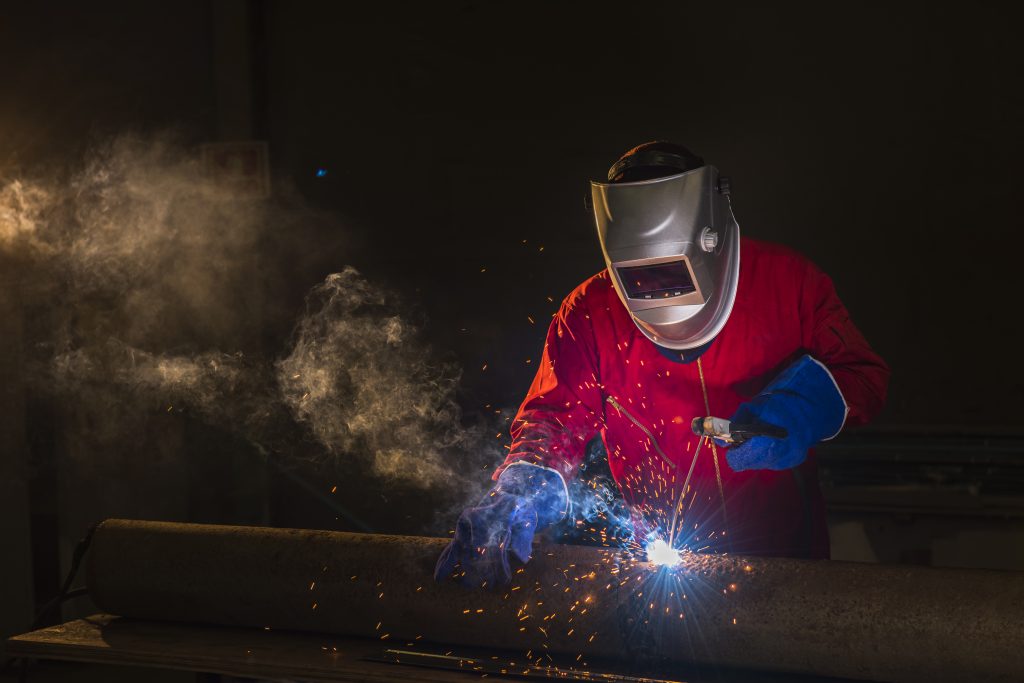
Stick Welding
Also known as shielded metal arc welding (SMAW), this is an older and simpler type of welding compared to those mentioned above. This technique uses a single consumable electrode. Like other welding types, the electrode melts to create the fusion between the pieces being joined. The flux coating of the electrode along with the gas feeding around the arc serves to shield it. Stick welding is great for heavier metals, like cast iron and steel. Since it’s an older form of welding, it’s natural to expect that it works with tougher materials like cast iron and steel. Later welding methods are more “refined.” Stick is great for construction work and similar industries that require heavy-duty materials to be joined. It can even be done in less-than-optimal conditions or on pieces that are not clean. It has a steep learning curve and even experts find it messy, but it gets the job done.Flux-core Arc Welding
Like MIG, flux-core welding uses a wire fed through the welder’s nozzle. But, unlike other types of welding, the flux provides all the shield you need for the arc. There’s no external gas source needed unless you need to use a type known as dual-shielded arc welding. Flux core welding is great for heavier materials. Since it produces increased heat than other welding types, you want to be sure you only use it with tougher and thicker metals. You do have the consumable flux core wire, but with no gas and a highly efficient process, you end up spending less on extra supplies. You’ll also find that many MIG machines are also suitable for use for flux-core welding. While it’s efficient and doesn’t waste much, it’s not pretty to look at. If this weld is on an exposed surface where appearances matter, you’ll have to polish it a bit.What’s The Best Type Of Welding?
The type of welding that works best is always going to depend on the project at hand. The materials you’re trying to join are the most important consideration. But, it’s good to realize that no welding type is overly complicated, even though some are a little tougher to pick up than others. But, if you’re interested in starting out, MIG is a good place to begin, based both on cost and skill level. One last reminder – be sure to use appropriate protective gear when welding. High heat, shrapnel, fumes and blinding light can all put you and the surrounding area in danger. Play it safe!Recommended AMSOIL products
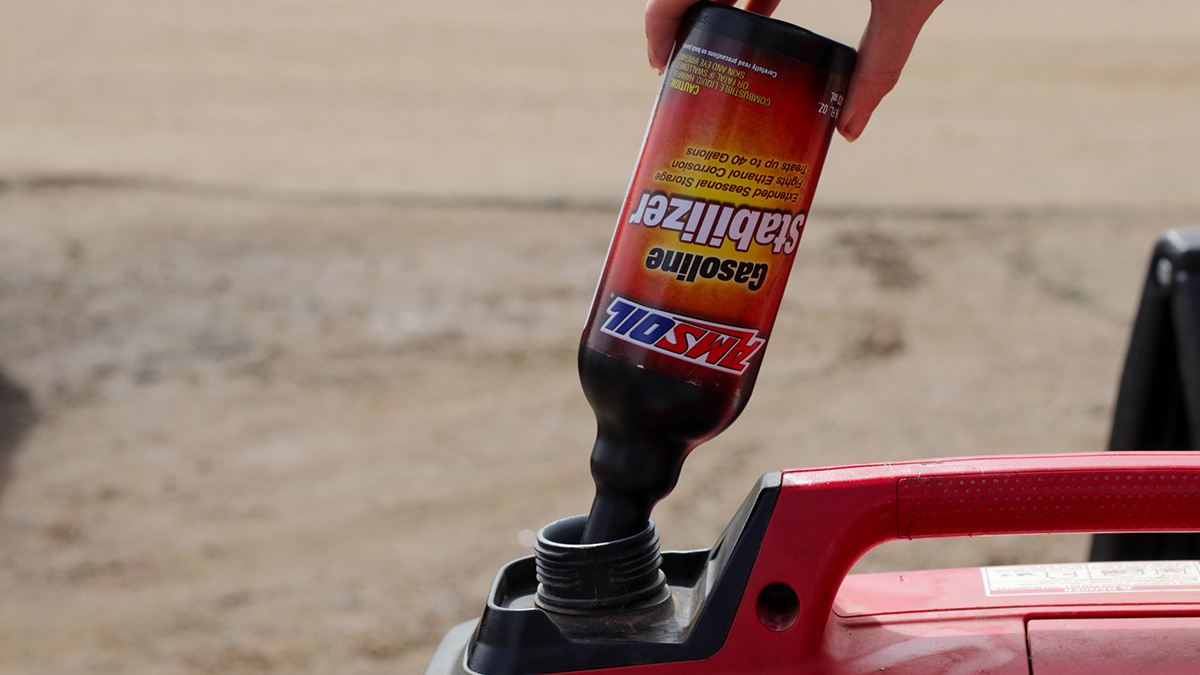
Start with AMSOIL synthetic motor oil and find the exact AMSOIL products for all your vehicles with the AMSOIL Product Guide.

Comments
AMSOIL Staff are experts in high-performance automotive, powersports, marine, diesel, heavy duty equipment, agricultural, and industrial lubrication.
Share: