Site icon AMSOIL Blog

How Engine Sludge Forms. And How to Prevent It.

Engine sludge. It’s a black gelatinous substance that wreaks havoc in engines. And long before the engine’s demise, engine sludge can foul engine sensors and interfere with performance. Some mechanics call it the “black death.” So, how does sludge in oil develop? And, how do you prevent it?

How Engine Sludge Forms

Engine sludge is the result of a series of chemical reactions.

The lubricant degrades as it is exposed to oxygen and elevated temperatures. The higher the temperature, the more rapid the rate of degradation. In fact, every 18°F (10°C) increase in temperature doubles the rate of oxidation.


The byproducts of this reaction form highly reactive compounds that further degrade the lubricant. Their byproducts react with other contaminants, forming organic acids and high-molecular-weight polymeric products. These products further react, forming the insoluble product known more commonly as sludge.

What begins as a thin film of lacquer or varnish builds up on hot or cold metal surfaces and bakes into an expensive mess.

The Impacts of Sludge

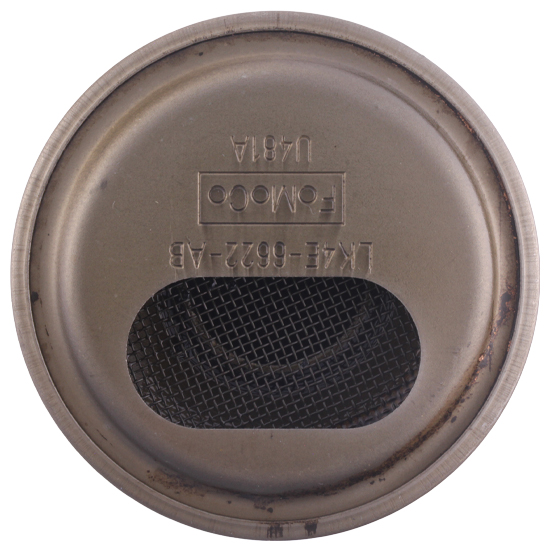
Sludge can block the oil passages and oil-pump pick-up screen, resulting in oil starvation. Often, the negative effects are cumulative rather than sudden.

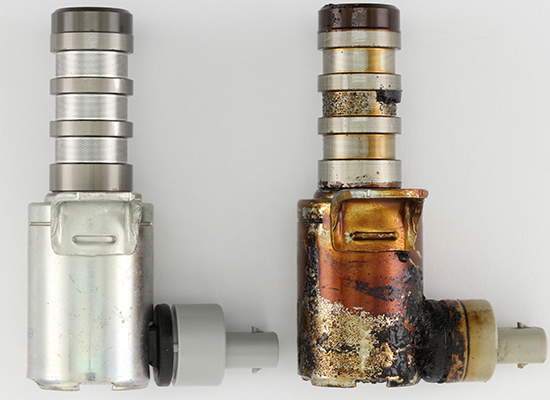
Many engines with variable valve timing (VVT) use oil-pressure-operated mechanical devices to change valve timing, duration and lift. Sludge in oil can plug the solenoid screen or oil passages and affect the operation of VVT mechanisms, eventually leading to a costly repair bill. Sludge reduces efficiency and increases the time and money spent on maintenance.

Synthetic Oil Helps Prevent Sludge

Fortunately, sludge and varnish deposits are something that can be controlled. Using thermally stable synthetic base oils reduces the rate of degradation (oxidation).

Antioxidant additives further help reduce the rate of degradation. One of the most widely used is zinc dithiophosphate. Not only is it an excellent oxidation inhibitor, but it is also an outstanding anti-wear additive.


AMSOIL
SHOP BY VEHICLE TOOL

  • Find products for your vehicle: passenger cars and light trucks, motorcycles, ATV/UTVs, snowmobiles, marine, heavy duty and more.
  • Vintage vehicle lookup guide.
  • Filter lookup and cross-reference guides.
Check out the guides

High-Quality Additives Fight Sludge

Fortunately, it is possible to address many of the issues that occur after the initial oxidation stage. Additives, such as detergents and dispersants, help promote the suspension of contaminants within the oil and keep them from agglomerating.

Detergents, which are also alkaline in nature, assist in neutralizing acids generated in the sludge-building process. Antioxidant, dispersant and detergent additives are consumed during use.

To achieve maximum life expectancy, use a motor oil with high concentrations of antioxidant, dispersant and detergent additives.

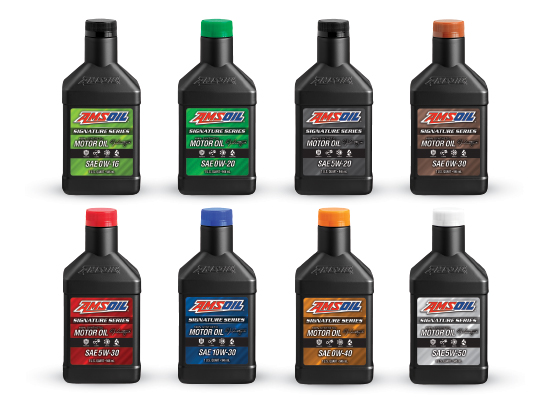
In real-world testing, AMSOIL Signature Series 100% Synthetic Motor Oil demonstrated outstanding performance over extended use, keeping engines clean and protected. During a 125,000-mile accumulation study on a 2025 Ford* F-150 Raptor* with a high-output V6, the engine experienced 0% oil screen plugging.1

AMSOIL Signature Series 100% Synthetic Motor Oil is engineered to resist breakdown and maintain exceptional cleanliness, helping prevent sludge from forming — even in extreme conditions.

Severe Service Invites Engine Sludge

Equipment operating conditions also influence the likelihood of sludge in oil or varnish issues.

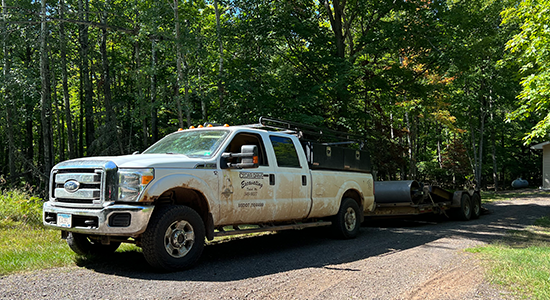
Towing, high-performance driving, stop-and-go driving, frequent or long-term idling and operation in excessively hot or cold weather can increase the likelihood of sludge and varnish formation, especially if using more volatile conventional oils.

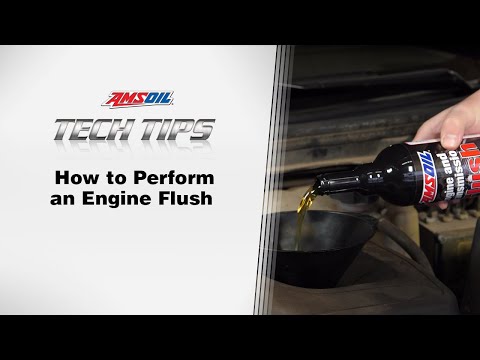
Although prevention is the best medicine, if sludge has already formed, you can use an engine flush to clean sludge from your engine.

From a mechanical standpoint, things like adding too much oil to the oil sump, antifreeze contamination, excessive soot loading, excessive oil foaming, poor engine-combustion efficiency, excessive blow-by and emission-control-system issues can all lead to the formation of sludge and varnish.

By practicing good maintenance and using properly formulated, premium synthetic lubricants, you can prevent your engine from succumbing to the “black death.”

1As demonstrated in a 125,000-mile accumulation study on a 2025 Ford F-150 Raptor which had 0% plugging.

7