

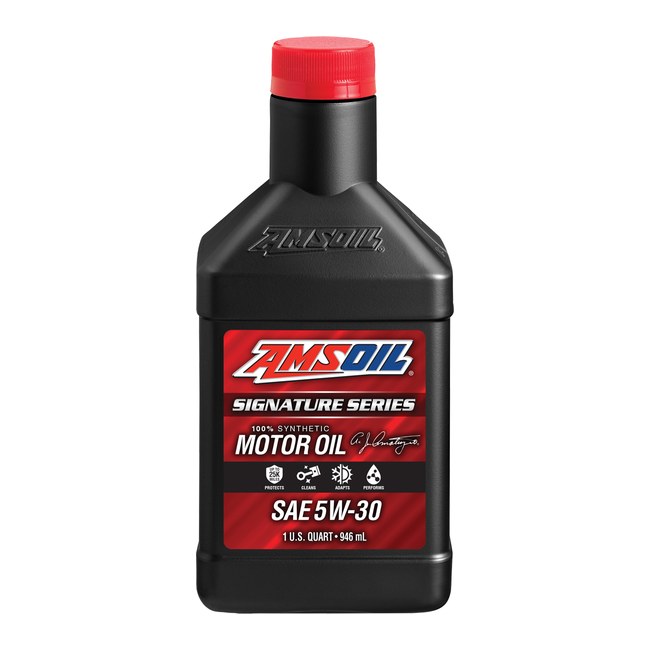
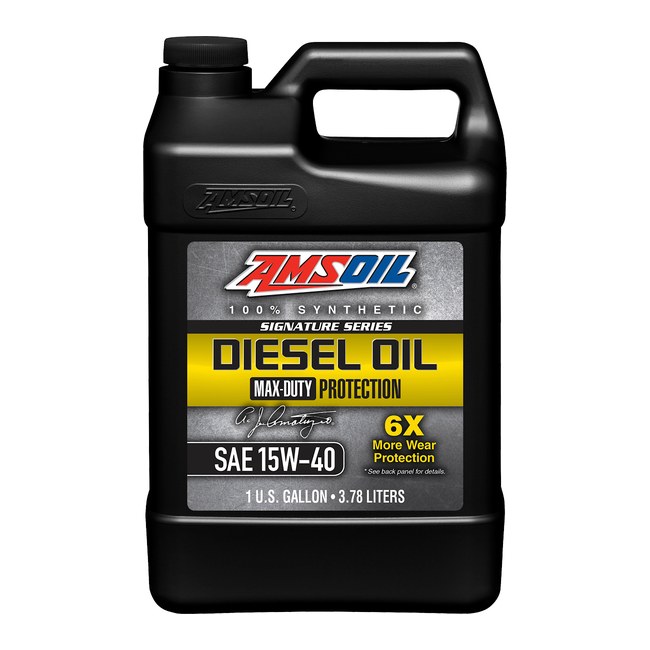
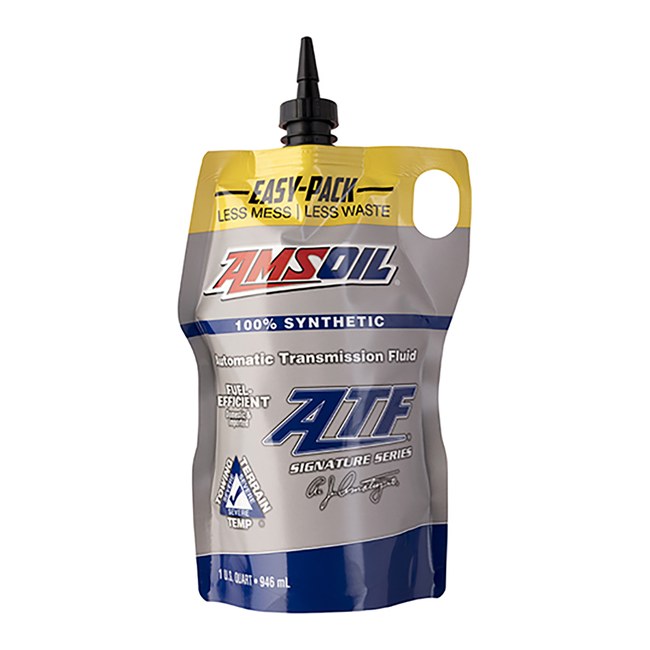
The short answer: the best motor oil for high heat is a premium synthetic that resists oxidation, volatility and deposits. Heat breaks oil down into sludge and valve deposits, boils off light molecules so the engine “uses” oil, and cokes turbocharger bearings. We recommend AMSOIL Signature Series 100% Synthetic Motor Oil.
Modern engines run hotter than ever. A typical passenger car or light-truck engine can operate at temperatures exceeding 235°F (113°C), and temperatures climb even higher when towing, hauling heavy loads or driving in extreme summer conditions. The widespread use of turbochargers and other power-dense technologies allows automakers to improve fuel economy without sacrificing performance, but it also increases engine heat.
While heat is a natural byproduct of engine operation, excessive heat can create conditions that shorten engine life and reduce performance if your motor oil cannot handle the stress. Understanding how heat affects motor oil can help you choose the right lubricant to keep your engine protected.
High Heat Creates Deposits and Sludge
Extreme heat is one of motor oil’s greatest enemies. As temperatures rise, oil can begin to oxidize and break down, forming deposits on critical engine components. Deposits on intake valves can restrict airflow and contribute to poor combustion-chamber sealing. The result may include:
- Rough idle
- Engine misfire
- Reduced power
- Lower fuel economy
Heat also accelerates additive depletion. As an oil’s additive package becomes exhausted, the oil can no longer lubricate, cool and protect as effectively. Over time, sludge may form and accumulate in narrow oil passages, restricting oil flow to critical components and increasing wear.
Preventing sludge is especially important in engines equipped with variable valve timing (VVT). These systems contain intricate components that can be sensitive to contamination. Even small amounts of sludge can affect performance and drivability.
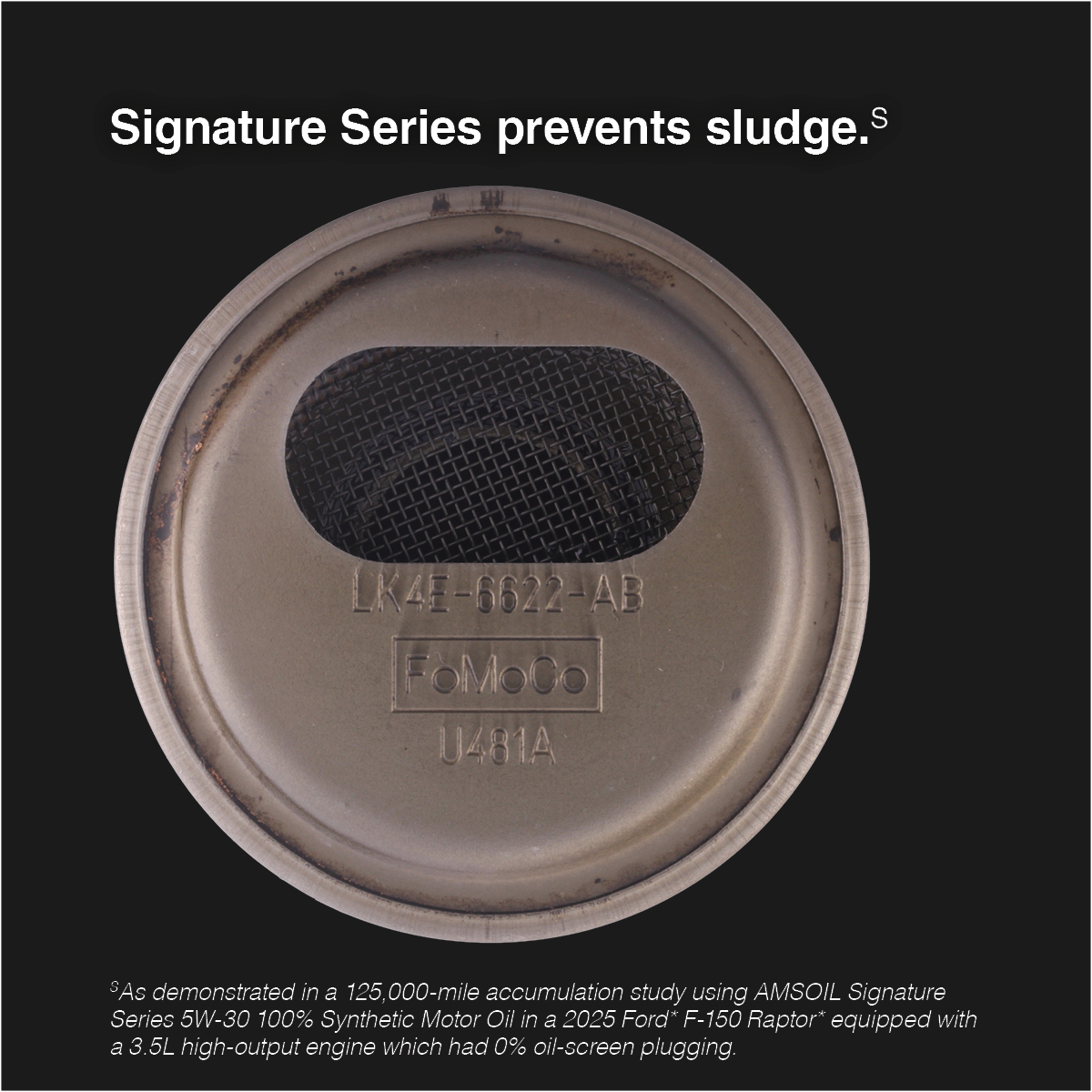
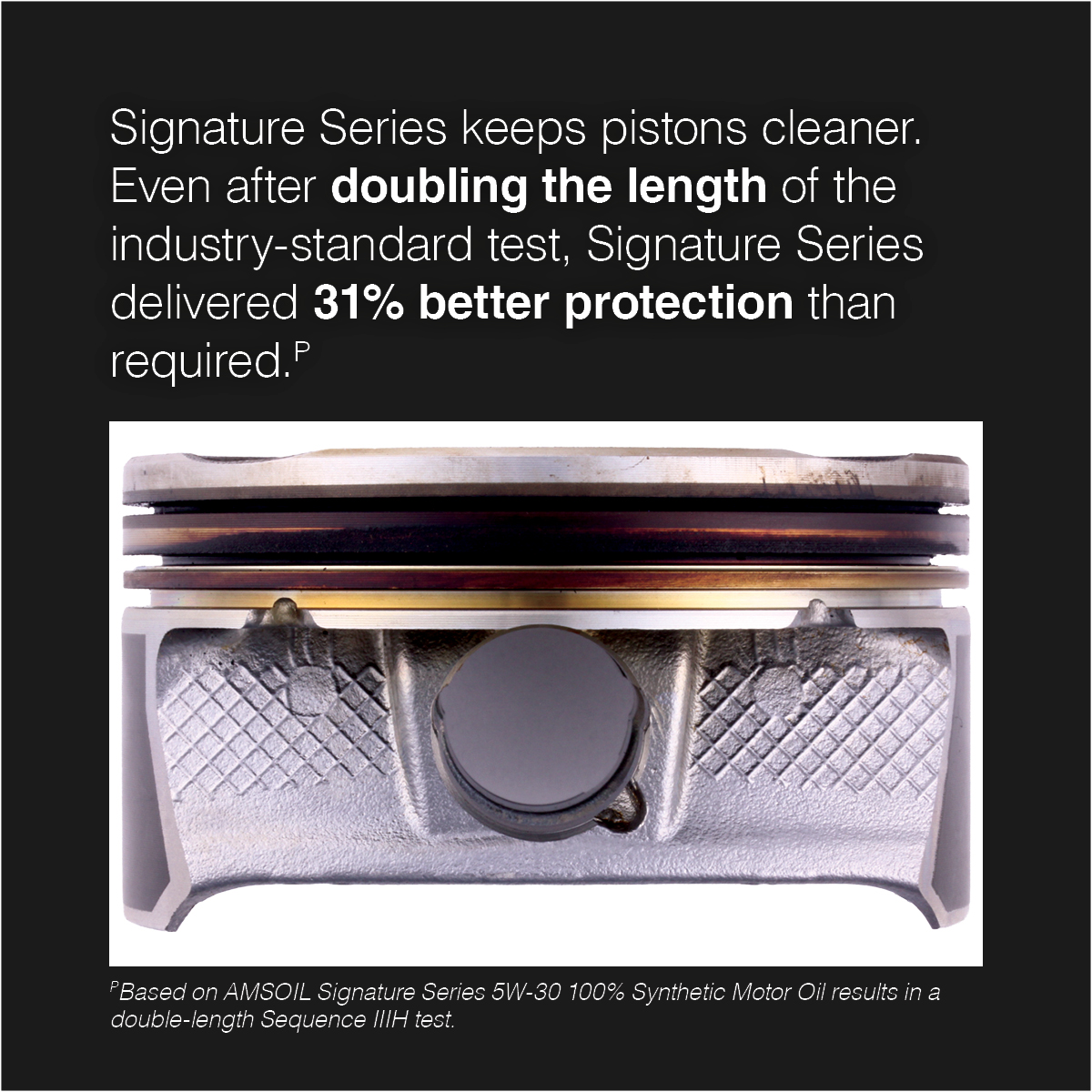
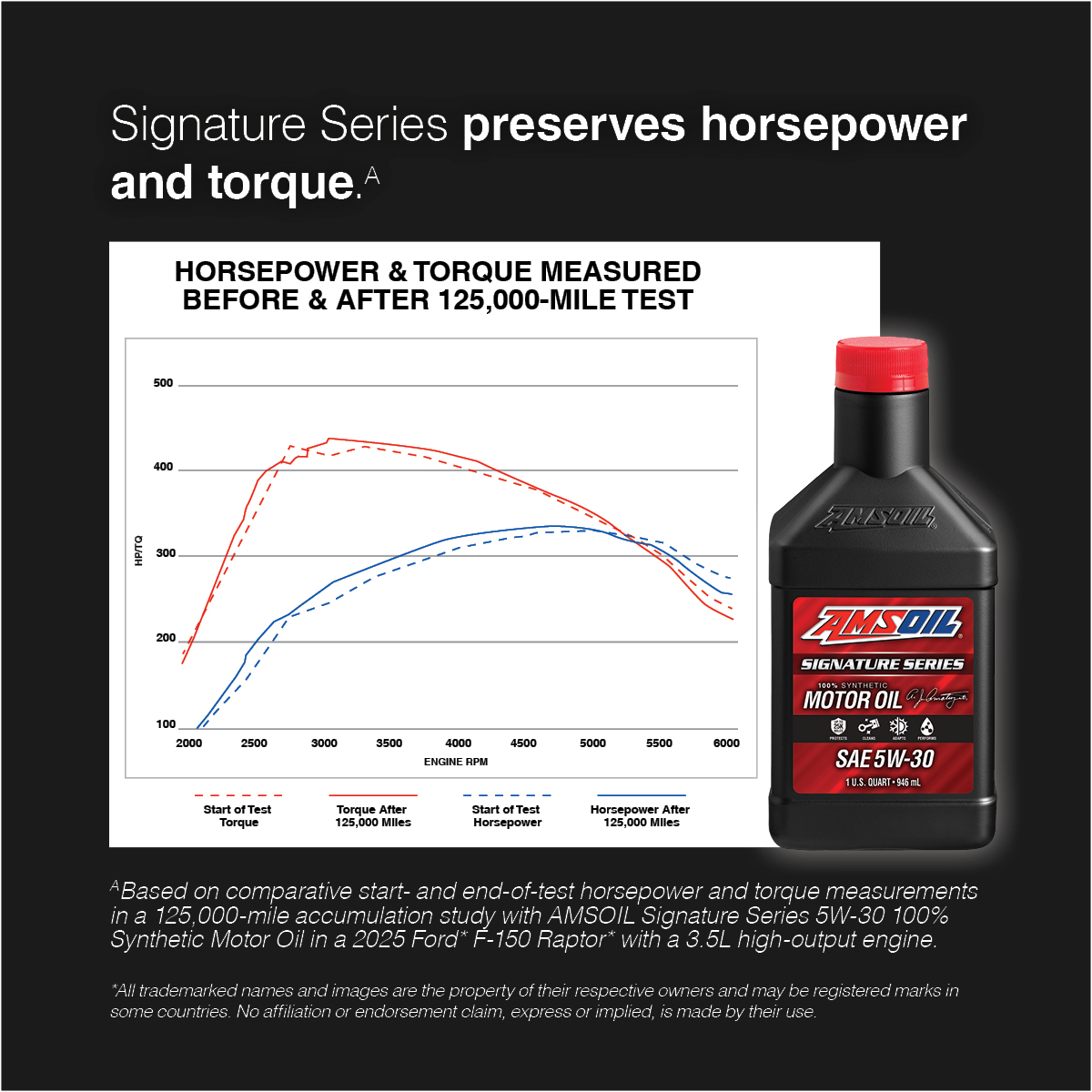
AMSOIL Signature Series 100% Synthetic Motor Oil resists breakdown to help keep oil passages clean and maintain oil circulation. In a 125,000-mile study on a 2025 Ford F-150 Raptor, the engine experienced 0% oil screen plugging. In Sequence IIIH testing, Signature Series also delivered 72% more protection against piston deposits than required by industry standards.
High Heat Can Increase Oil Consumption
Heat can also increase motor-oil consumption through a process called volatilization. When the lightest oil molecules evaporate under high temperatures, the oil becomes thicker as heavier molecules remain behind.
As viscosity increases, oil may circulate less efficiently, reducing fuel economy and performance. Drivers often notice this as an engine that seems to “use” oil between oil changes and requires more frequent top-offs.
In addition to increasing oil consumption, volatilization contributes to emissions and can eventually leave insufficient oil available to protect all engine components. If oil levels drop too low, wear rates can increase dramatically.
Choosing a high-quality synthetic motor oil helps minimize volatility and maintain viscosity stability under severe operating conditions.
Deposits Can Reduce Turbocharger Performance
Turbochargers bring another heat-related challenge. Turbo shafts can rotate at speeds approaching 300,000 rpm while being exposed to exhaust temperatures that may exceed 1,000°F (538°C).
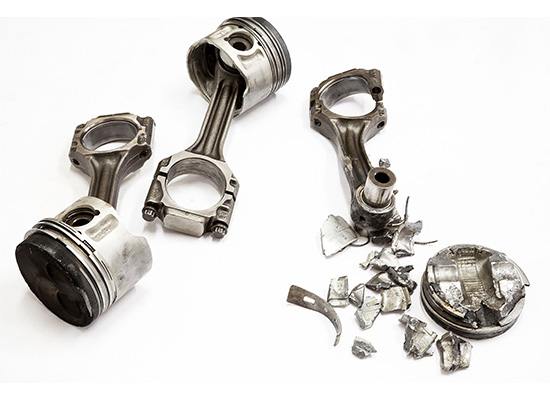
Under these extreme conditions, motor oil plays a critical role in cooling and lubricating turbocharger components. If the oil breaks down, deposits can form on the turbo shaft and bearings, a condition commonly known as turbo coking.
Turbocharger deposits can:
- Reduce turbo efficiency
- Restrict shaft movement
- Decrease engine performance
- Lead to premature turbocharger failure
Because turbochargers rely on motor oil for both lubrication and heat control, using a premium synthetic motor oil is one of the best ways to protect a modern turbocharged engine.
The Best Motor Oil for High Heat
High temperatures can create deposits, form sludge, increase oil consumption and threaten turbocharger performance. As engines continue to become more compact, powerful and thermally stressed, motor oil must do more than simply lubricate. It must resist oxidation, maintain viscosity, control deposits and protect critical components under severe operating conditions.
AMSOIL Signature Series is formulated with premium synthetic base oils and high-performance additives that provide exceptional resistance to heat and oxidation while helping keep internal engine and turbocharger components clean. Even in a double-length Sequence IIIH test, it delivered 31% better protection than required. The result is cleaner operation, stronger protection and enhanced engine performance, even in the demanding conditions created by high-performance engines.
This article is part of our Seasonal Maintenance guide. See every article in the guide.
Recommended AMSOIL products
Start with AMSOIL synthetic motor oil and find the exact AMSOIL products for all your vehicles with the AMSOIL Product Guide.



Comments
AMSOIL Staff articles draw on the combined expertise of AMSOIL engineers, chemists, Technical Services specialists, technical writers and product marketers. Content is developed from AMSOIL data sheets, laboratory and field testing, oil-analysis results and more than 50 years of synthetic-lubricant development. Topics span automotive, diesel, powersports, marine, small-engine, agricultural and industrial equipment, covering lubrication fundamentals, maintenance practices, product selection and real-world customer experience.
Share: