
In 2005, Congress instituted a new renewable-fuel standard. In response, refiners removed methyl tertiary butyl ether (MTBE) from gas and started blending fuel with ethanol. Ethanol helps reduce petroleum use and greenhouse-gas emissions. Derived from corn, it supports U.S. agriculture and promotes energy independence. Ethanol, however, can be bad for small engines.
Video transcript: Protect Your Fuel System from Issues Caused by Ethanol
Featuring John Gardner, host of Motorhead Garage, and Leonard “Len” Groom, AMSOIL Director of Product Marketing (author profile).
John Gardner: All fuels are not created equal. Now the manufacturer’s secret sauce or additive they’re putting in the fuels, well, that could vary. So, it’s important to know what you’re putting in your fuel tank. This AMSOIL tech tip is all about the fuel systems.
So, let’s talk fuel systems. You can see it right here. It all starts in the fuel tank there. The fuel pump is usually located in the tank.
Yes. Submerged in fuel. Then it comes out, goes through a fuel filter, and then it’s gonna run up through your injectors. Now, most systems today are called return systems.
They return all the way back to the tank to keep the fuel cool and keep it moving. And the injectors always have a good supply. But the key there is the fuel pump is located in the tank on most cars. And, take a look at this, Len.
What do you think of this? This thing here? Holy mackerel. This thing’s been eaten up alive.
And believe it or not, it wasn’t in there much. Supposed to look like this. What could cause that, and how can we fix it?
Len Groom: Unfortunately, the fuels that are on the market today don’t sit real well. They need to be treated. Ethanol fuel isn’t the enemy. You just need to make sure that you’re you’re handling it properly.
John Gardner: And that’s a great point. Think about UTVs, ATVs, the marine industry. I mean, the fuels, they have to sit a long time and there’s issues with that.
You got a product that’s gonna help us.
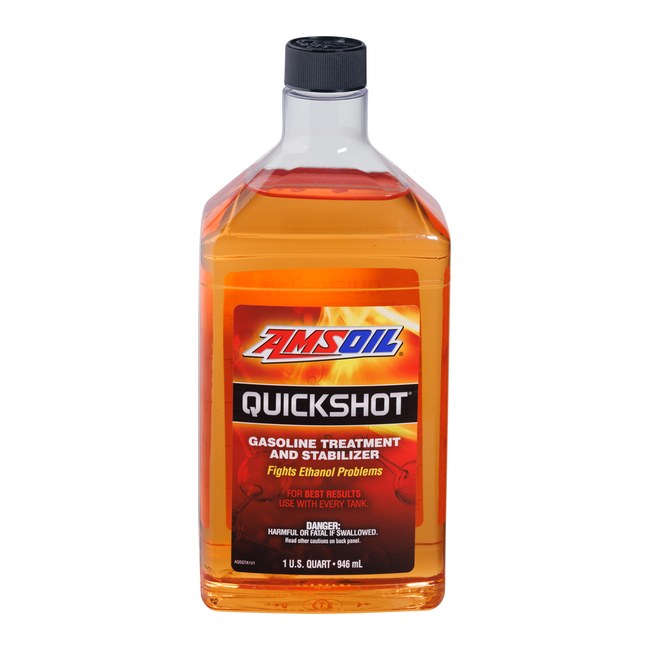
Len Groom: We do. And that’s AMSOIL QuickShot. It does three things really well. It’s an excellent cleaner, so it kinda helps from keeping this type of thing from happening, the varnish and the depositing.
It also helps with ethanol related issues such as phase separation. That’s when the fuel separates and it creates all kinds of problems in the bottom of the gas tank. QuickShot is also an excellent short term stabilizer. So your seasonally stored equipment, you can put this in your fuel and not have to worry about it.
John Gardner: Well, QuickShot’s the way to go.
Head over to their website at AMSOIL.com, and you can buy you all the quick shots you need. You put it in every single tank. You’re not gonna have any issues.
These problems center on the two following issues:
1) Ethanol can degrade plastics and create deposits
Ethanol is an excellent solvent and drying agent that dissolves old gum and varnish deposits from the gas tank and fuel lines.
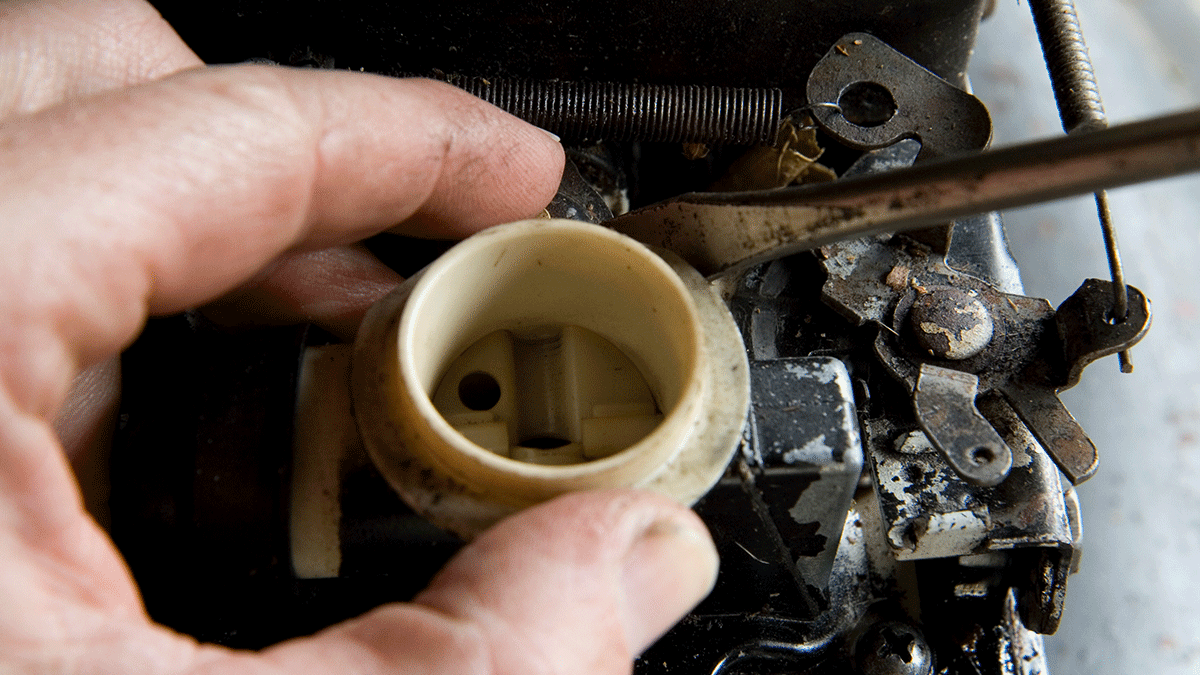
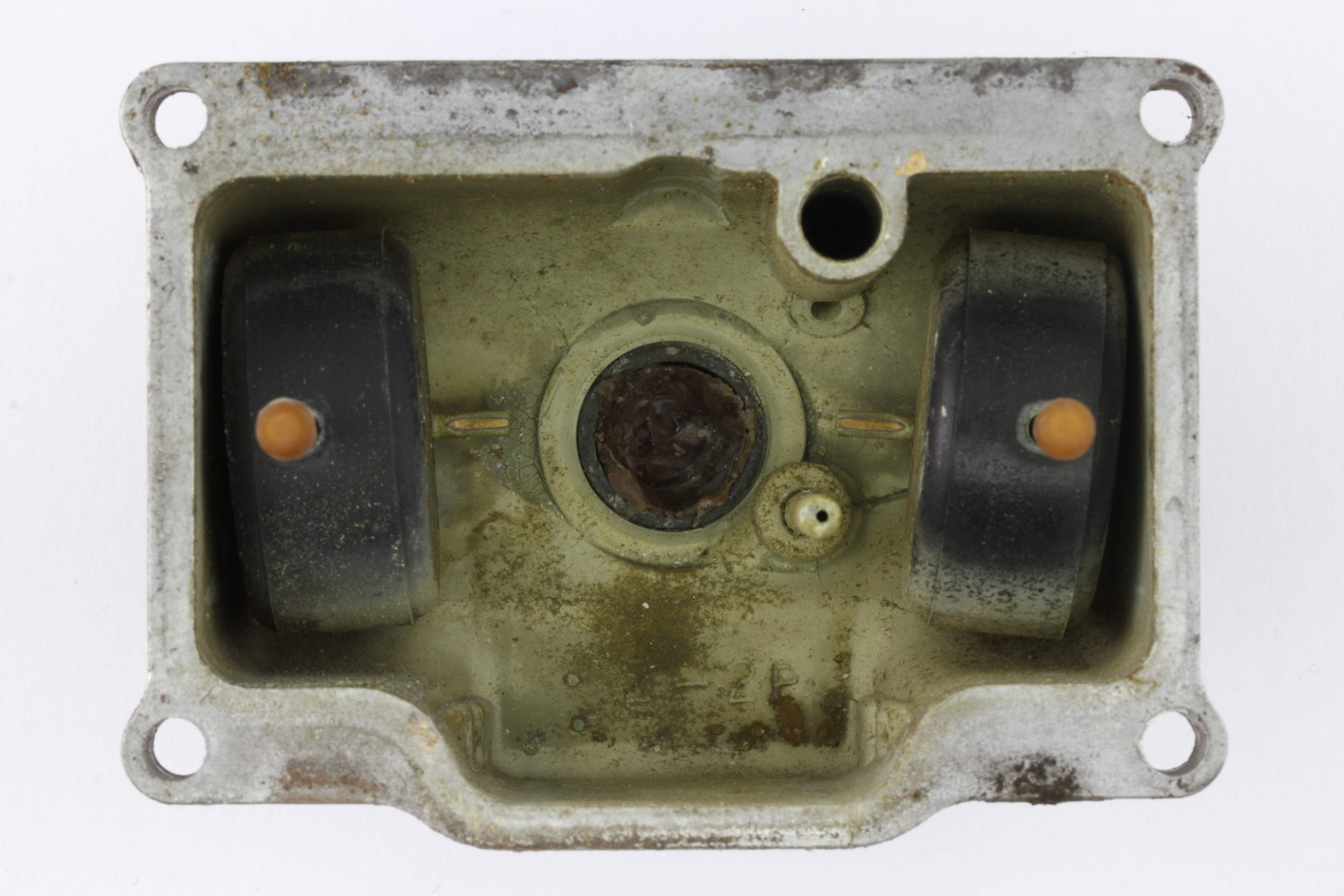
However, ethanol can degrade certain older plastics, elastomers, fuel lines and sealing materials not designed for ethanol-blended fuels, and create deposits like those seen in the carburetor bowl shown here.
Honda* states that the dissolved material can clog filters or pass through and leave deposits on fuel injectors, fuel pumps, fuel-pressure regulators, carburetor jets, intake tracts, valves and valve guides.
The result can be a lawnmower, snowblower, chainsaw or other equipment that won’t start or runs poorly.
Small-engine manufacturer ECHO* agrees, stating in its warranty that these deposits can lead to poor engine performance; loss of power; overheating; fuel-vapor lock; improper clutch engagement caused by increased engine idle speeds, which allows cutting attachments to turn while the unit is idling; and premature deterioration of fuel lines, gaskets, carburetors and other engine components.
2) Ethanol and water don’t mix
Small-engine manufacturers have spent considerable time studying the relationship between ethanol and water.
ECHO warns that ethanol will absorb a small amount of moisture and stay in suspension within the gasoline for a while.
However, the ethanol will only absorb up to three-quarters of an ounce of water in a gallon of gas before it reaches its saturation point. Once the ethanol has absorbed enough moisture to reach its saturation point, phase separation occurs.
Phase separation means the ethanol and absorbed water drop to the bottom of the fuel container since it is heavier than the gas and oil, leaving the gasoline and oil mix to float on top of the tank.
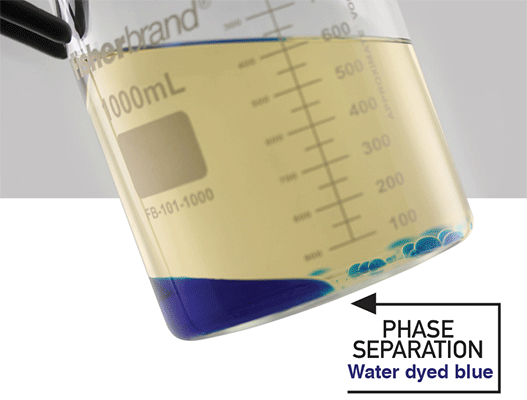
Most operators never notice water in the can when they refuel their equipment. The end result is often a carburetor ruined with rust and corrosion. These repairs can be costly and are not typically covered by warranty.
Stihl* stresses that the layer of gasoline left floating on top has a lower octane level than the original ethanol-gasoline blend, which can result in unstable engine operation, power loss and major engine failures.
Ethanol’s affinity for water explains why so many ethanol-related problems surface in the marine industry.
In fact, some marina personnel say fuel-system problems account for a large share of their service orders.
Combating ethanol problems
Although some fuel additives on the market claim to reverse the effects of phase separation, there’s no way to reintegrate gasoline and ethanol once they’ve separated. Instead, it’s best to prevent it.
One solution is to use non-oxygenated, ethanol-free gas in your small engines. It costs a little more, but it eliminates problems associated with ethanol.
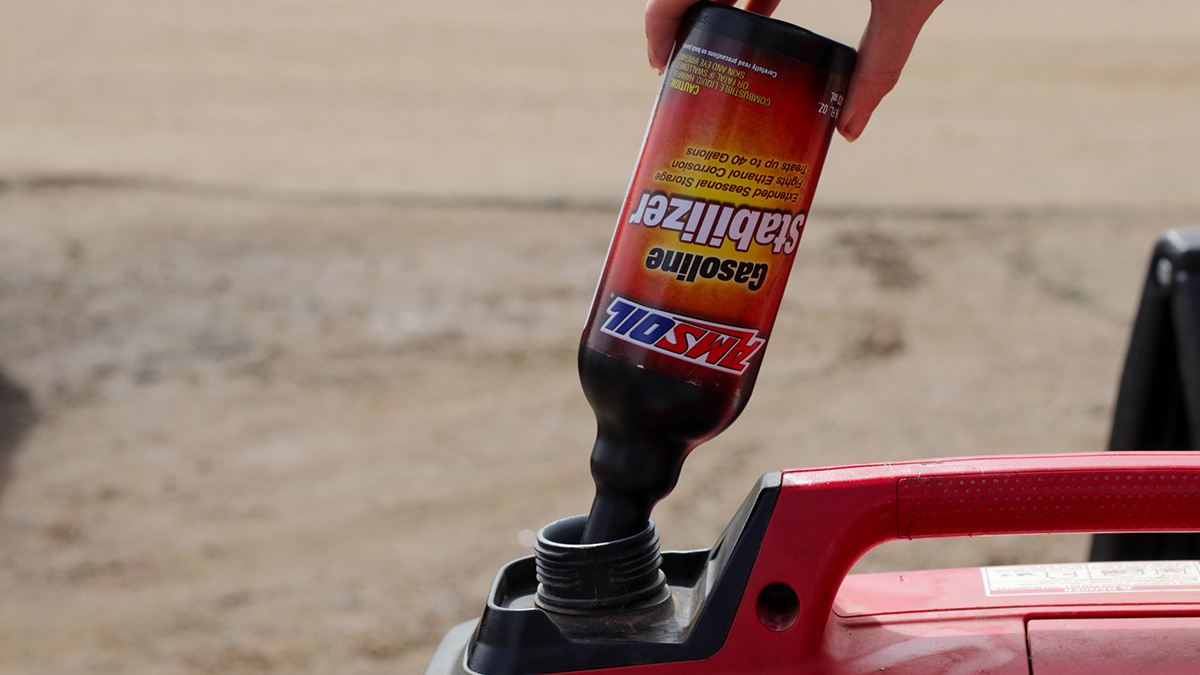
Another solution is to treat every tank of fuel and container of gas with AMSOIL Quickshot®. It helps keep water molecules dispersed in the fuel to prevent phase separation. It also cleans varnish, gums and insoluble debris while stabilizing fuel during short-term storage.
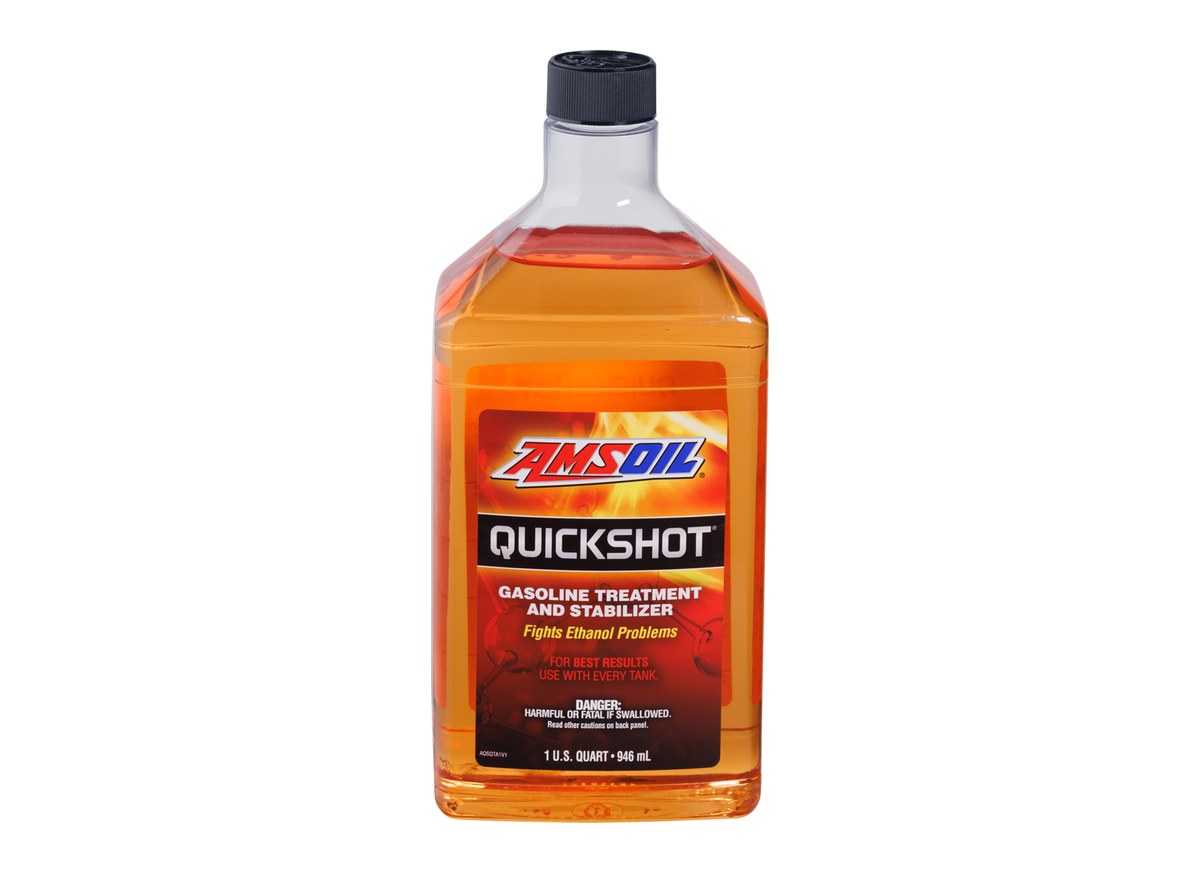
Quickshot is specifically formulated to address ethanol-related problems and help keep your small engines running strong.
This article is part of our Small Engine and Power Equipment guide. See every article in the guide.
Recommended AMSOIL products
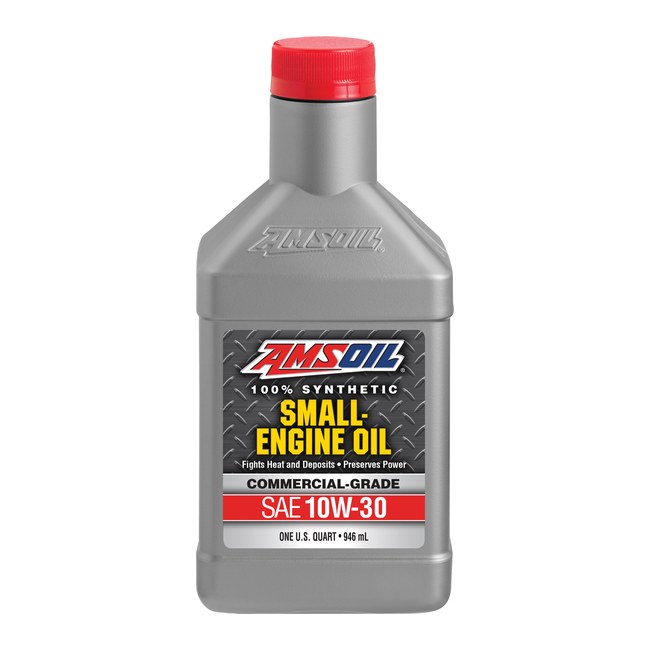
Start with AMSOIL synthetic small-engine oil and find the exact AMSOIL products for all your vehicles with the AMSOIL Product Guide.

Comments
AMSOIL Staff articles draw on the combined expertise of AMSOIL engineers, chemists, Technical Services specialists, technical writers and product marketers. Content is developed from AMSOIL data sheets, laboratory and field testing, oil-analysis results and more than 50 years of synthetic-lubricant development. Topics span automotive, diesel, powersports, marine, small-engine, agricultural and industrial equipment, covering lubrication fundamentals, maintenance practices, product selection and real-world customer experience.
Share: