



1-in-1,000-years
Tragically, every year hurricanes and torrential rains lead to extensive flooding around the world, devastating countless countries, states, communities, households and individuals. However, more news reports are leading with titles like “1-in-1,000-year flood,” which equates to a 0.1% chance of happening in any given year.
In 2022, SIX such “rare” flooding events occurred across the U.S. in the span of one month, submerging parts of Illinois, Missouri, Texas and Kentucky, as well as both Death Valley and Yellowstone National Parks.
It seems meaningless compared to the lives lost, but it has been reported that up to 1 million vehicles are destroyed in each major flood event. Images of submerged vehicles quickly circulate the internet in each catastrophe’s wake. Floods are merciless and heartbreaking, but especially so on the massive scale we’ve been seeing in recent history.
1 million cars
There are many enthusiasts who scour automobile auctions for cheap used cars, perform any minimal repairs to get them operational, then resell them. If you’ve pondered why a non-franchised dealer is advertising luxury cars for less than $10,000 — they’ve probably been underwater.
There’s a good reason insurance companies document flood-damaged total loss payouts as salvage title vehicles. Due to the destructive effects of flooding on all parts of the vehicle, it’s best to keep them out of unsuspecting consumer hands.
“How high’s the water, mama?” –Johnny Cash
What to do after your vehicle has been submerged
There are several websites with advice on dealing with cars caught in floodwaters. Here are a handful of tips extracted from AAA and Popular Mechanics.
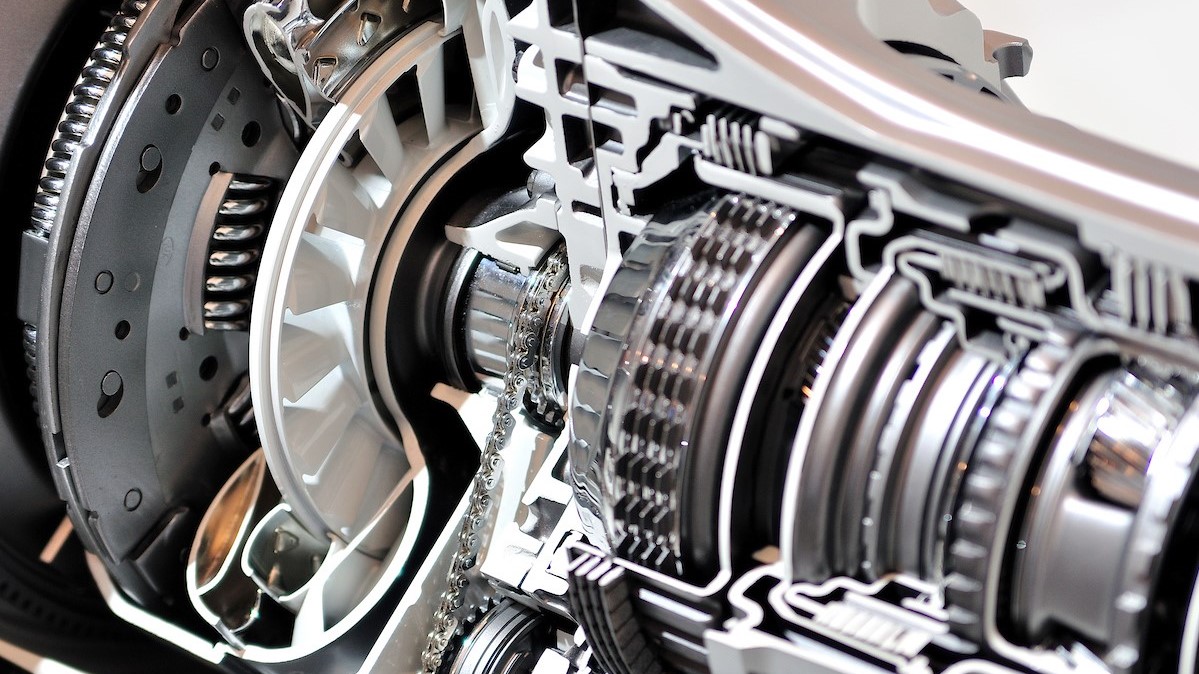
- DO NOT start the engine. As the saying goes, oil and water do not mix. If there is water in the engine and transmission, starting the car will turn that oil/water mix into a gooey mess, making it much more difficult to clean, and potentially causing permanent damage.
- Identify the high-water line. Usually there will be leaves, debris or silt that indicates how far the vehicle was submerged. If the water line hits the windshield, scrap the vehicle.
- Disconnect the battery before tinkering. Electricity combined with water can fry the electronic components.
- Remove as much water from the vehicle as quickly as possible. The best and most commonly available tools are a wet/dry shop vac or carpet cleaner with an upholstery extension. Soak up as much additional moisture as you can with towels and run fans to dry the vehicle faster. Baking soda or other moisture-absorbing products may reduce the chance of mold taking over.
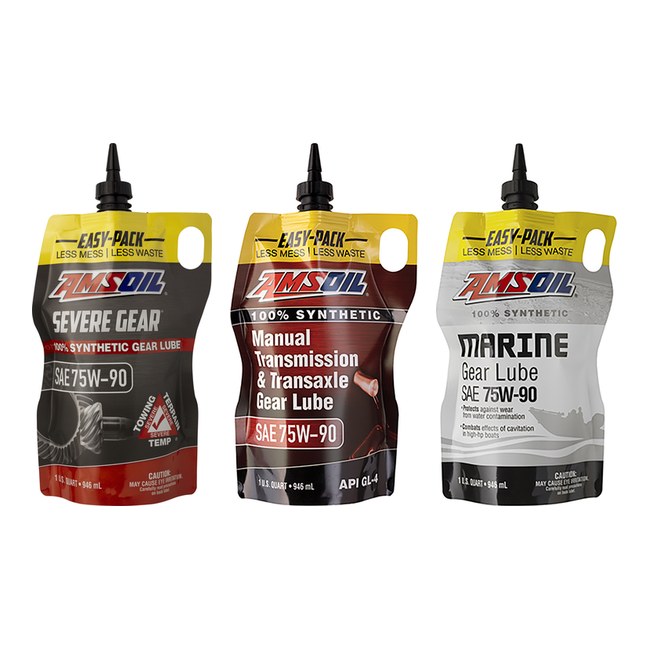
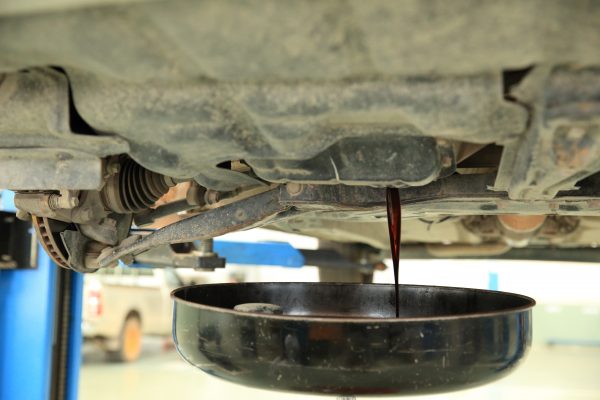
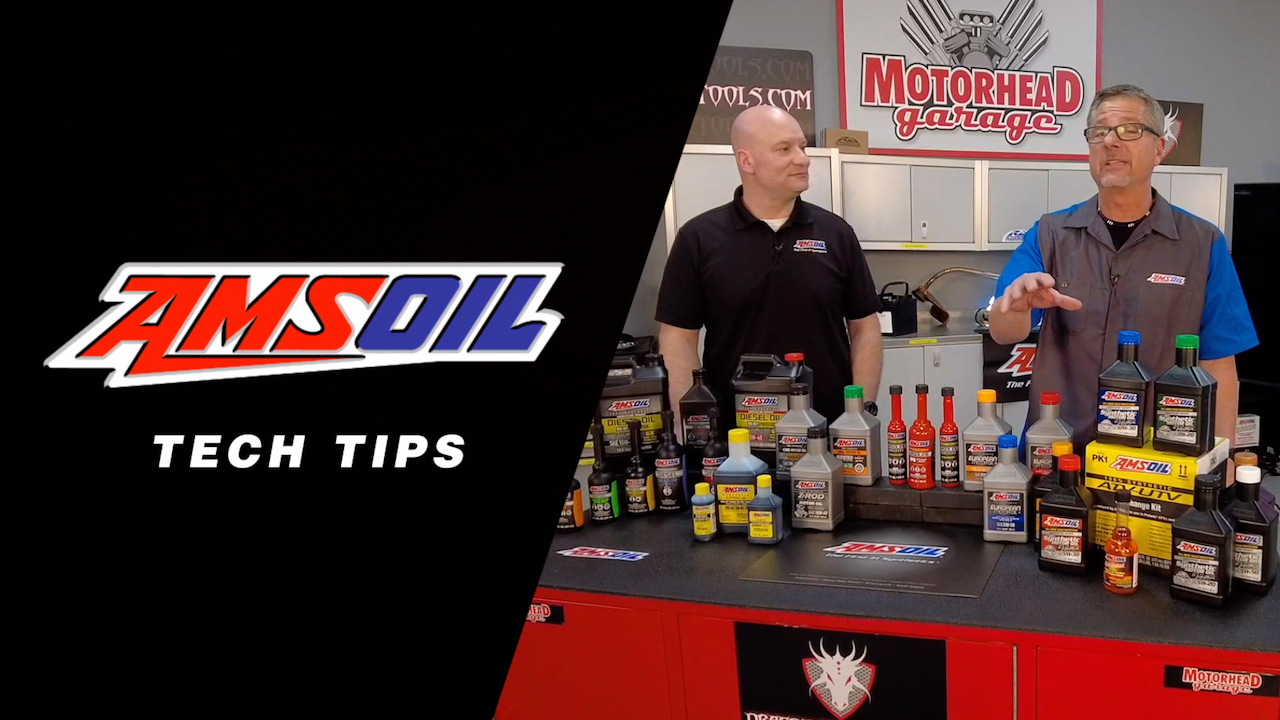
- Flush and replace all oil, drivetrain fluids and filters. Watch the video below to learn how. If this is beyond the scope of your auto maintenance skills, have your car towed on a flatbed truck to a mechanic.
There’s a reason so many people pay for roadside assistance through their insurance carrier or a third party, like AAA. An ounce of prevention is worth a pound of cure — so don’t forget to park on higher ground!
Video transcript: How to Perform an Engine Flush
Today we’re doing an engine flush. Welcome to Tech Tips. I’m Len Groom. Today we’ll be performing an engine flush.
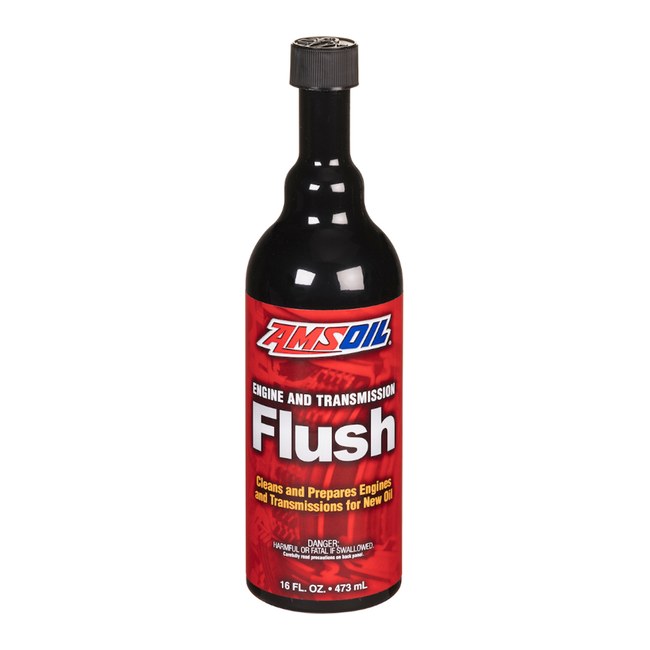
An engine flush is something that can be done fairly easily prior to a scheduled oil change. Engine flushes are important because they help to remove any sludge or varnish or gum that’s built up in your engine, especially if you’re converting from a conventional oil to a synthetic. So let’s check it out. As you can see, we’re using AMSOIL’s Engine and Transmission Flush for this job.
The flush product can be used for both the engine and the transmission. Today we’ll be using it in the engine. So what you want to do is add the flush product to the engine. Make sure you replace your cap.
That’s always important. Then we’re going to start the vehicle and we’re going to idle it. We’re going to idle it only, and we’re going to do that for about 10 to 15 minutes. So just let it idle 10 to 15 minutes.
The product will do its job. Shut the vehicle off. Then you’re going to perform a normal oil change. You might notice that the oil coming out looks a little darker.
It might look a little bit watery. This is perfectly normal. One important tip for this project: Make sure you’re changing the oil filter. Any sludge or varnish or gum or junk that got broken loose by the flush product is going to end up in that oil filter, so be sure you replace it with a brand-new one.
We’re using an AMSOIL oil filter for this vehicle. Then you want to go ahead and refill the vehicle as you would normally. As you can see, we’re using AMSOIL Signature Series 5-30 for this job. Check your owner’s manual for the capacity of your vehicle.
It’s always a good idea to start the vehicle and check your oil level after it’s run for a couple seconds. Put the plug back on, clean up your mess and you’re all done. So there you have it. As you can see, not real difficult to do but extremely important.
Thanks for watching. We’ll see you next time.


Comments
David Hilgendorf is an AMSOIL Technical Writer who develops content for automotive, powersports and industrial audiences. His work includes technical data sheets, magazine articles, blog posts, white papers, product literature and application guidance. Hilgendorf works with engineers, laboratory personnel and technical specialists to communicate lubricant testing, product performance, maintenance practices, metalworking fluids, grease, motorcycles, marine equipment and industrial reliability.
Share: