


Windshield wiper chatter is not only annoying, but it can leave your windshield with smears and streaks that compromise your view of the road. Follow these tips to stop wind shield wiper chatter.
Clean wipers and windshield
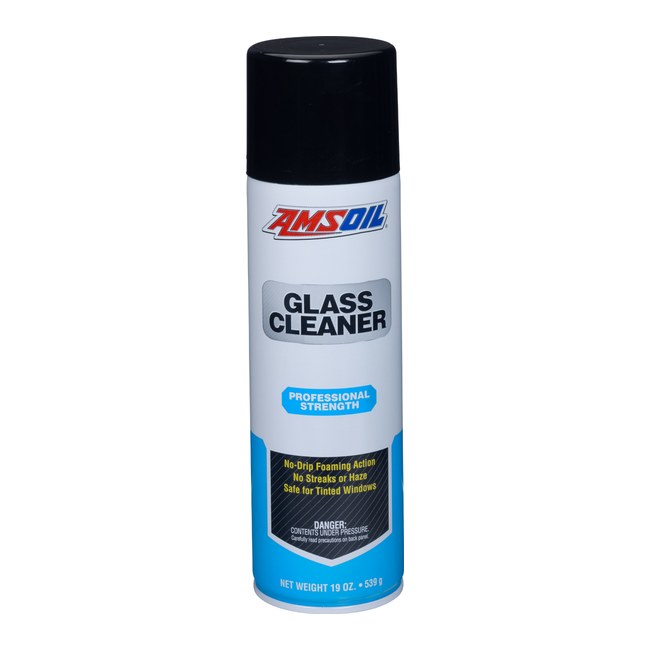
Dirt and grime on your windshield wipers and windshield are often the culprits behind poor wiper performance and annoying chatter and squeaks. Use AMSOIL Glass Cleaner to give your windshield a thorough cleaning, then use soap and water to clean the wiper blades.

Check wiper arms
A bent windshield wiper arm can prevent the wiper blade from making full contact with the windshield, causing chatter. Inspect your wiper blades to see if they are parallel to the windshield glass. If not, use pliers to adjust the arm back into shape.
Keep washer-fluid reservoir full
Keep the Reservoir Full
This may seem obvious, but be sure to keep your washer-fluid reservoir full. Activating your wiper blades on a dry windshield can sound like nails on a chalkboard. Thankfully, washer fluid is inexpensive and can be purchased at just about any service station. If you live in the north, be sure to switch to a winter blend before freezing temperatures arrive.
Soften wiper blades
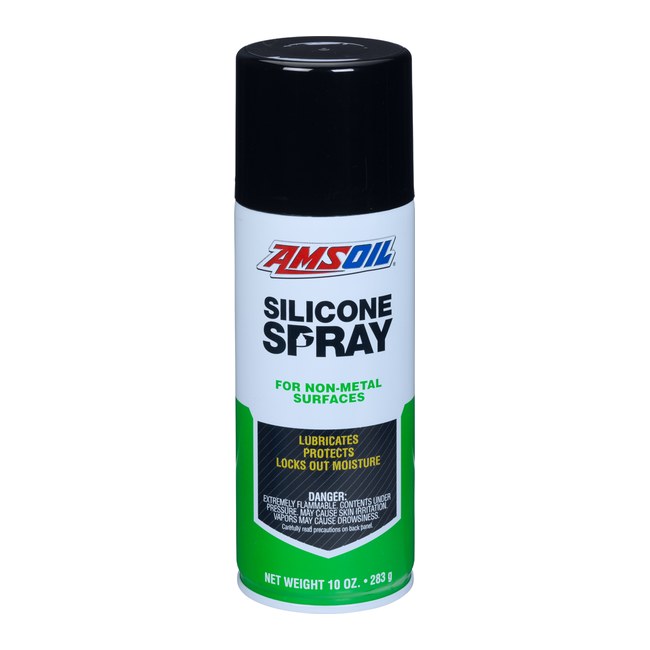
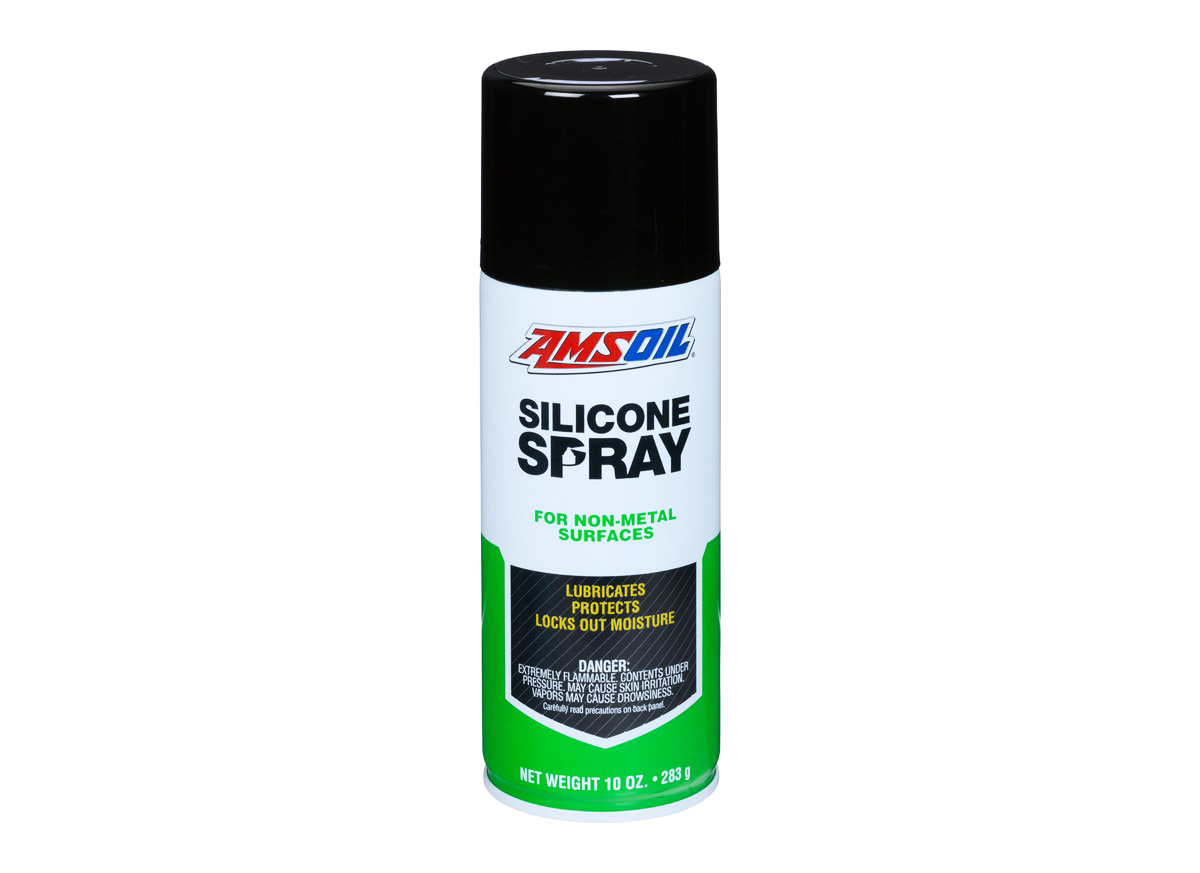
Whether it’s the brutal sun in the summer or the freezing cold in the winter, your wiper blades spend a lot of time exposed to the elements, making them stiff and brittle. You can slow this process and increase wiper-blade performance and life with a little AMSOIL Silicone Spray. After cleaning your wiper blades with soap and water, spray some AMSOIL Silicone Spray on a clean rag and apply it to the wiper blades to maintain pliability and help keep them working smoothly and quietly.
Replace wiper blades
When to Replace Blades
Wiper blades simply aren’t meant to last for the long haul and usually require replacement once or twice a year. If the tips above don’t stop your chattering problem, it may be time for new wiper blades, especially if the chatter is paired with streaks and smears that hinder your ability to safely see the road.
Video transcript: AMSOIL: How to Clean Your Shotgun
After a beautiful day of bird hunting with the pup, one of the important things to do is gun maintenance. You know, you can go out, shoot a couple boxes of shells. There’s a lot of spent powder in the barrel and the receiver. You need to get that stuff out of there so the next time you load some shells in and a bird gets up in front of you, you don’t go “click.” So what we want to do, I’m going to demonstrate here, take this gun apart, clean it up real good so the next time we go out she’s ready to go.
So we’ll spray the rag down here, start cleaning out the barrel. This is the kind of stuff that you’re getting out of the barrel, and this stuff is going to be found in your receiver too. This is the stuff that’s going to gum it up and slow it down. So after we put a nice pass through there with some solvent, we’re going to come back through with a copper brush, spray that with a little bit of solvent as well.
You’re going to run that brush through the barrel a few times. I’m going to go after it again with a little more solvent just to make sure that you get the barrel nice and clean. Typically run one last one through to remove any of the solvent that was in there before we go back after it with some lubrication. Look at the rag.
It’s pretty white. So now we’ve got a good clean barrel. We need to go after the receiver of this thing. So what I’m going to do is just take some of that same cleaner, wipe it on another clean rag.
In this gun, it’s a little harder to take the bolt out without pulling a few pins out, so we just kind of go after it. You can move the bolt back and forth, exposing different parts of the receiver. Make sure that you get that thing nice and clean. After we use our patch with solvent on the inside of the receiver to clean it out, we’re going to go back with a clean, dry one, try to wipe some of that residual solvent back out.
See if there’s any — see if there’s any residual powder left behind. As you can start seeing, a clean white rag goes in; a clean white rag comes out. The gun’s pretty clean. This gun needs to be lubricated now, so what we want to do is we want to make sure that we provide a nice thin film inside the receiver so you get a good smooth action, pull shells and eject shells really good.
And then we’re going to wipe the gun down, get all the dirt out of it from when it’s been out in the field. So, since we cleaned the barrel out, we’re going to want to go back in and give it a little bit of corrosion protection, and that’s where this lube is going to come into play. I’m going to do the same thing with the receiver now, put a little bit of this lubricant on a clean rag, just a thin film, give it a little bit of protection from sliding components back and forth as you’re using it and also to give it that layer of corrosion protection. Go back for a clean rag, a little bit more oil on there and just give a good clean wipe down to the exterior of the gun.
There we have it: a good clean gun, nice smooth action.


Comments
Joel Youngman is Lead Technical Writer at AMSOIL and associate editor of AMSOIL Magazine. He develops and edits content covering lubricant technology, product testing, vehicle systems, maintenance practices and equipment applications. Youngman also coordinates magazine articles and Tech Talk columns, working with engineers, product specialists and Communications personnel to maintain technical accuracy, editorial consistency and clear customer communication.
Share: