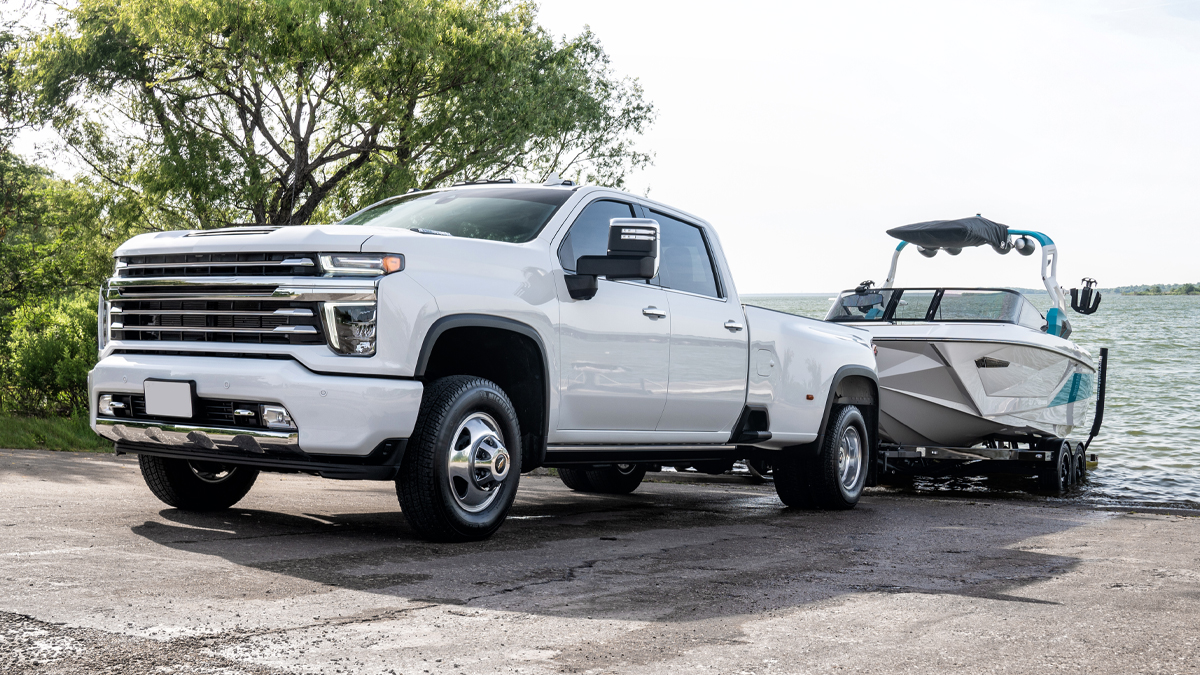

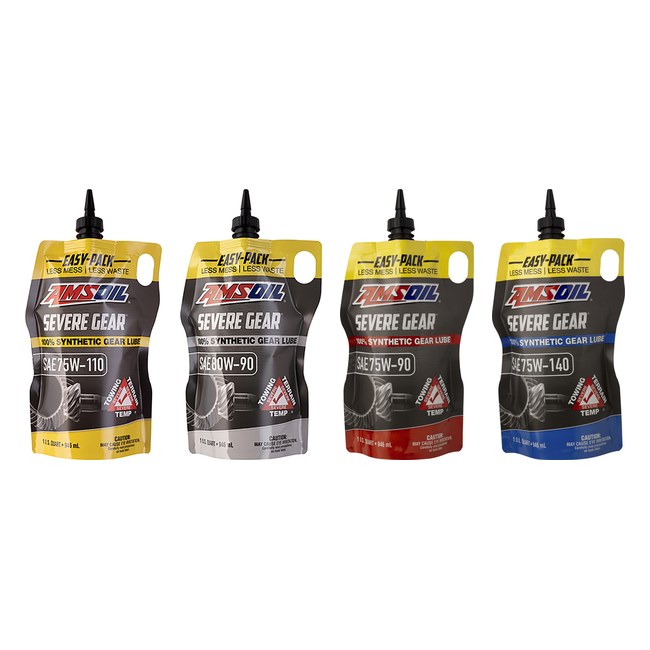

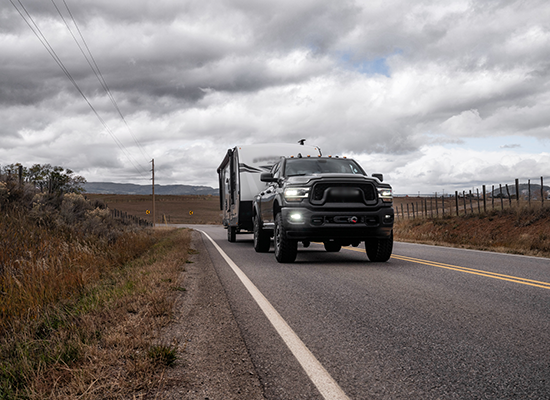
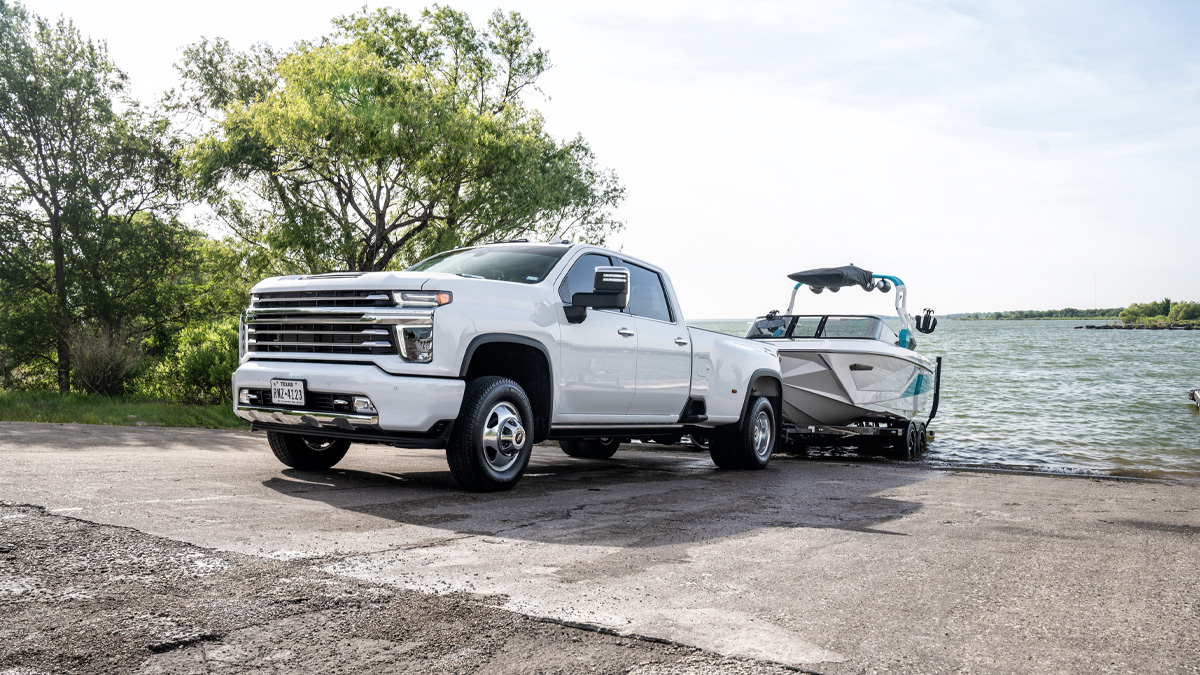
Many people overstress their vehicles pulling trailers, campers or boats, sometimes exceeding their rated towing limits in sweltering heat. Commercial vehicles often spend their lives in severe service. Severe-service conditions place extreme pressure on transmissions and differentials, making the proper selection of gear oil essential for maintaining the performance, efficiency and longevity of vehicles.
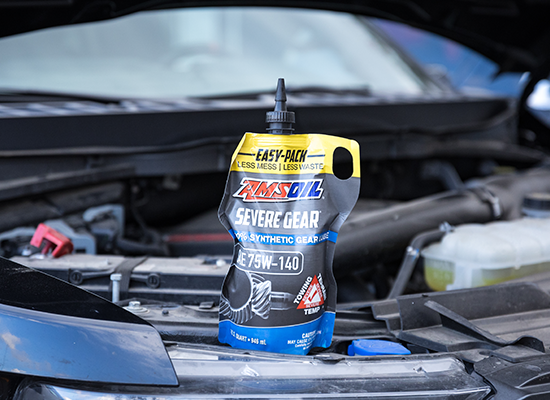
GL-4 vs. GL-5
The American Petroleum Institute (API) classifies gears using GL ratings, ranging from GL-1 to GL-5. Higher GL rating numbers represent more severe applications. GL-1 is the least severe and can usually be satisfied with a motor oil, while GL-5 is the most robust for managing severe applications.
The main difference between GL-4 and GL-5 gear oils is the level of extreme-pressure (EP) additives included in the formulation. EP additives protect gears by providing a sacrificial layer on gear surfaces. They are essential for protecting gears operating under heavy loads and extreme temperatures.

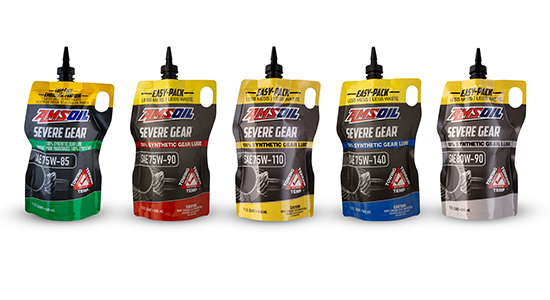
While some GL-5 oils claim backward compatibility with GL-4 applications, it’s critical to follow manufacturer specifications to avoid excessive wear on sensitive components. For optimal protection, consult your owner’s manual or use the AMSOIL Product Guides for the manufacturer’s recommendation. These sources will provide the specified viscosity (75W-90, 75W-110, 80W- 90, 75W-140, etc.) and specification (API GL-4, API GL-5, API MT-1, etc.) recommended for your application.


Comments
Brad Nelson is a staff writer for AMSOIL. Outside of work he enjoys family adventures, wilderness exploration and riding/wrenching on vintage metric motorcycles.
Share: