


Keeping equipment operating on the jobsite is vital for maintaining a successful business, but fuel contamination presents a common problem for excavators and other off-road equipment that constantly operate in dusty, dirty environments. Maintaining a clean and efficient fuel system is essential for avoiding costly downtime and premature equipment failure.
Common Fuel Contaminants
Water enters fuel systems through condensation in fuel tanks or exposure to rain and humidity. Water contamination can lead to corrosion and microbial growth.
Dust and dirt can enter the fuel system through unsealed fuel caps or poor fuel-storage and handling practices.
Gum and varnish form when diesel fuel oxidizes over time, coating fuel-system components and reducing efficiency.
Negative Effects of Fuel Contamination
Fuel contamination increases wear on fuel injectors and other internal components, decreases equipment performance and leads to more frequent breakdowns and premature equipment failure. Early detection can save contractors time and money. Common symptoms of fuel contamination include the following:
Difficult Starts
Engines are tougher to start when contaminants obstruct fuel flow.
Reduced Power
Engines lose power and acceleration when dirty fuel affects combustion.
Black or White Smoke
Black or white exhaust smoke can indicate improper combustion caused by contamination.
Clogged Fuel Filter
Contaminants can clog fuel filters, leading to poor combustion and
power loss.
Corroded Fuel-System Components
Corrosion on injectors or tanks is often a sign of water contamination.

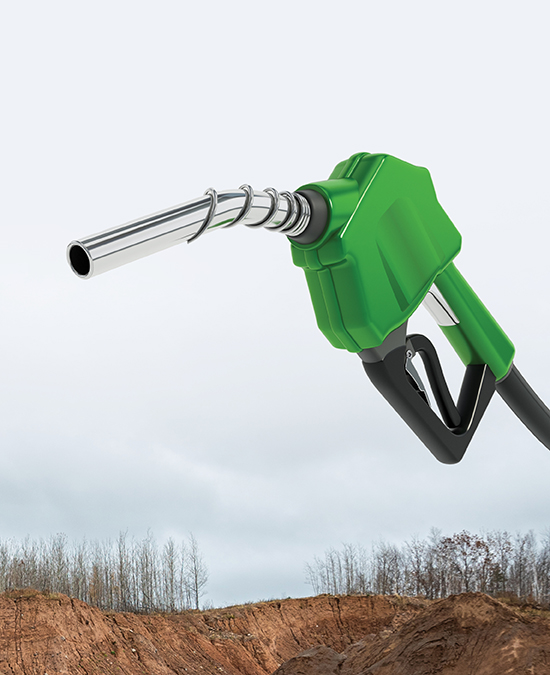
Preventing Contamination
Preventive Measures
Fuel contamination can typically be blamed on environmental exposure, poor fuel-handling practices or degradation of the fuel itself. Taking steps to prevent fuel contamination is crucial for keeping excavators and other off-road equipment on the job.
Use High-Quality Fuel
Purchase fuel from reputable suppliers. Low-quality fuel is more likely to contain impurities that affect engine performance and life.
Store Fuel Properly
Store fuel in airtight, clean, weather-resistant containers. Frequently clean storage tanks and inspect for leaks or water ingress.
Drain Water Traps
Most excavator fuel systems are equipped with water separators. It’s important to drain these traps to prevent water buildup.
Change Fuel Filters
Fuel filters should be changed regularly to help maintain proper fuel flow and prevent contaminants from reaching the injectors.
Inspect the Fuel System
Inspect the fuel system periodically for signs of rust, sludge or microbial growth. Early detection can prevent significant problems.
Test Fuel
Routine fuel-quality testing helps identify issues before they escalate. Testing can detect contamination early, ensuring fuel meets the necessary quality standards.
Use High-Quality Fuel Additives
Fuel additives designed to manage water and prevent oxidation can enhance fuel stability and prevent fuel-system contamination.
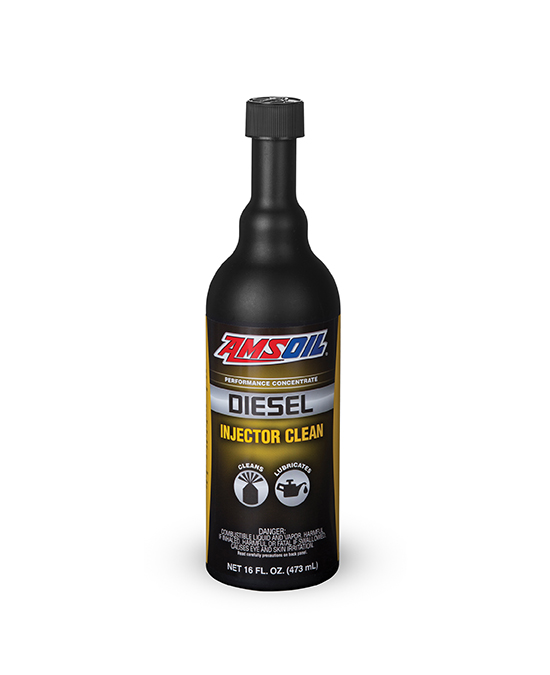
What the Additive Does
• Cleans dirty injectors.
• Lubricates pumps and injectors to reduce wear.
• Protects fuel systems against water contamination.
• Combats fuel-system corrosion.
• Extends fuel-filter life.
• Improves fuel economy up to 8%.
• Restores power and torque.
• Reduces smoke and emissions.
• Helps prolong time between EGR and DPF regenerations.
• Reduces downtime and maintenance costs.
• Safe for use in all diesel fuels, including biodiesel.
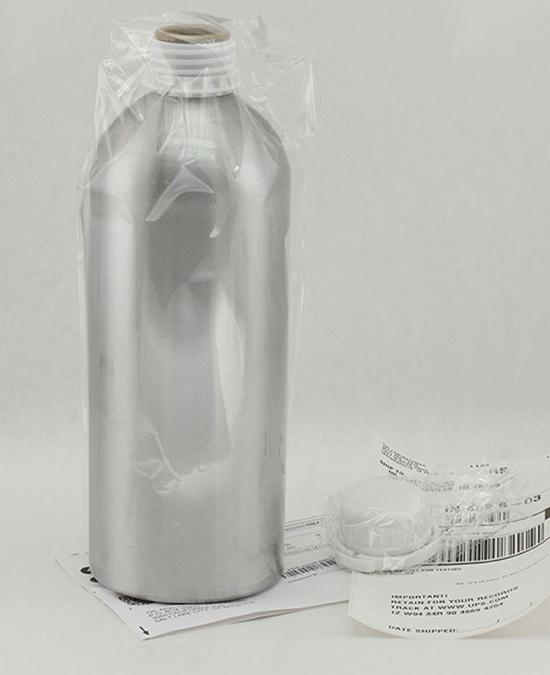
The OAI Diesel Fuel Contamination Test Kit tests for water, sediments and aerobic bacteria. Includes 32-oz. container, UPS pre-paid shipping label, sample form and instructions.

Video transcript: AMSOIL: Diesel Bypass Filter Solution
Editor’s note: The current AMSOIL claim (data bulletin G498) is that AMSOIL Bypass Filters deliver fine-particle filtration down to 2 microns. The 98.7 percent figure in this video is no longer published.
The problem: Inside your diesel engine, soot particles smaller than a human hair are attacking your turbo, cams and bearings. It’s up to your diesel oil and filtration system to protect these critical components and maintain your diesel power. Unfortunately, no matter how good your oil and filter, some dirt and soot will contaminate your engine. Diesel pickups come equipped with a full-flow filtration system.
All the oil required to properly lubricate your engine flows through the filter fast enough to maintain proper operation and achieve sufficient oil cleanliness. These full-flow filters remove particles from the oil large enough to cause catastrophic damage, typically 20 microns or larger. But they allow smaller particles to get through and circulate inside your engine, causing wear. The solution?
Bypass filtration. Bypass filtration systems feature a secondary filter that eliminates those solid contaminants from diesel oil. They operate on a partial-flow basis, drawing about 10 percent of the oil pump’s capacity at a time and removing 98.7 percent of particles as small as 2 microns. That’s a huge benefit because particles between 2 and 20 microns are known to cause wear.
This demonstrator illustrates the power of bypass filtration in action. Wear particles 5 to 10 microns in size are added to the demonstrator. This is the typical size of particles commonly ingested into engines as dirt through the air filter or as a byproduct of normal combustion. Particles this size can cause abrasive wear and modify the design clearances of the engine.
This can affect long-term engine operation and power. The full-flow filter cannot remove these particles. Next, the bypass filter goes to work. The difference is immediate as the bypass filter begins removing virtually all the particles that can cause abrasive wear to your engine.
The AMSOIL Bypass Filtration System traps the particles left behind by a standard full-flow oil filter. Over time, 100 percent of the oil will be cleaned of even the smallest particles, down to 2 microns, providing the ultimate protection against horsepower loss and wear. If you rely on serious diesel power, AMSOIL Diesel Oils and Bypass Filtration Systems provide the protection you need to fight wear and extend engine life. Order from your local AMSOIL Dealer or visit amsoil.com/bypass today.
This article is part of our Fuel and Fuel Additives guide. See every article in the guide.