

Regardless of its quality, every motor oil eventually loses its potency and must be changed to ensure peak engine protection. Let’s take a look at what happens to motor oil over time and why you periodically need to change oil.
Video transcript: Change Your Oil to Keep Your Vehicle Going Strong
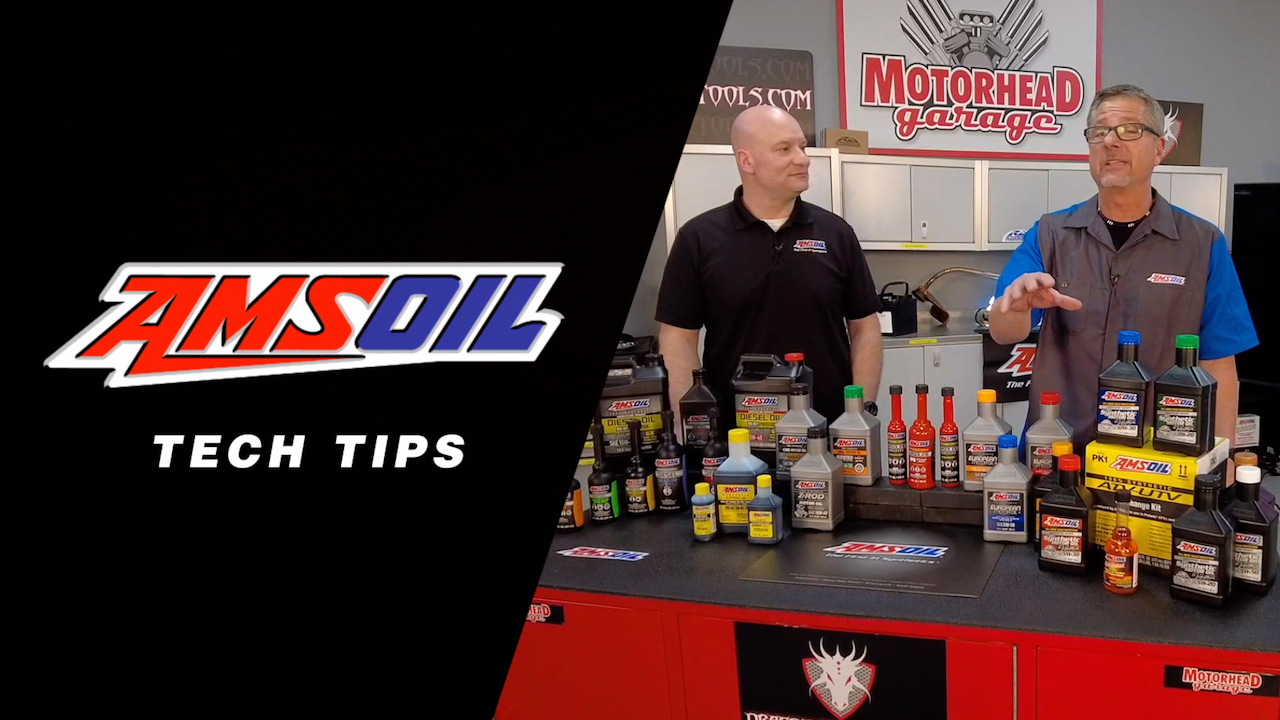
Featuring John Gardner, ASE Master Certified technician, automotive technology instructor and host of Motorhead Garage, with AMSOIL Director of Product Marketing Len Groom.
John Gardner: I’ve been an automotive technician for over thirty years and been teaching automotive technology for over twenty five. One thing I know, routine maintenance works. And when you look at this chart right here, can see the tops riddled with check marks. What is that?
If you read right there, check engine oil level and oil life percentage. Change engine oil and filter if needed. Well, I’m gonna show you right now. It’s definitely needed.
This one here, not so much. Didn’t get any oil changes. Definitely didn’t use AMSOIL. I can guarantee you that.
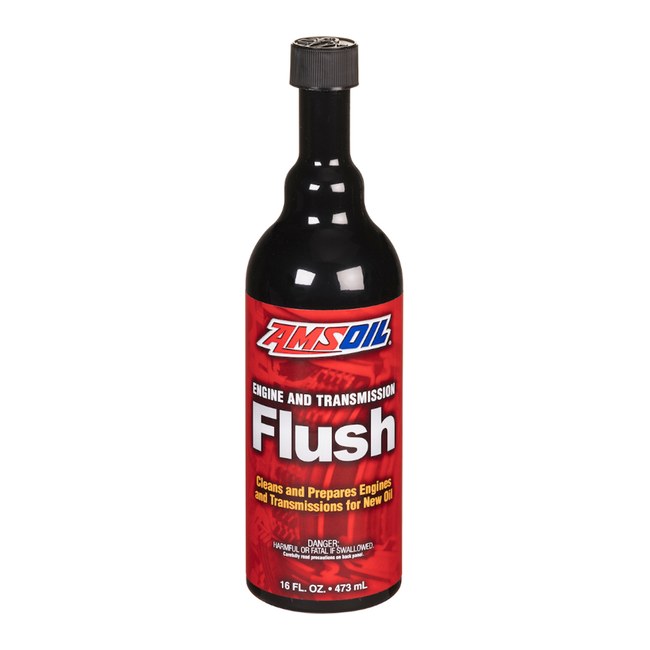
And you can see right here, this is actually a Toyota* engine. It’s an overhead cam engine. So those are actually where the camshafts have been removed and the lifters are there. I mean, look at the crud and the oil galleries all totally plugged up, not getting any oil anywhere.
And if that wasn’t bad enough, here’s the oil pan. I mean, it is full of goop. Now AMSOIL makes it, so that doesn’t happen, Len. The website is so easy to use, man.
Why don’t you walk us through it?
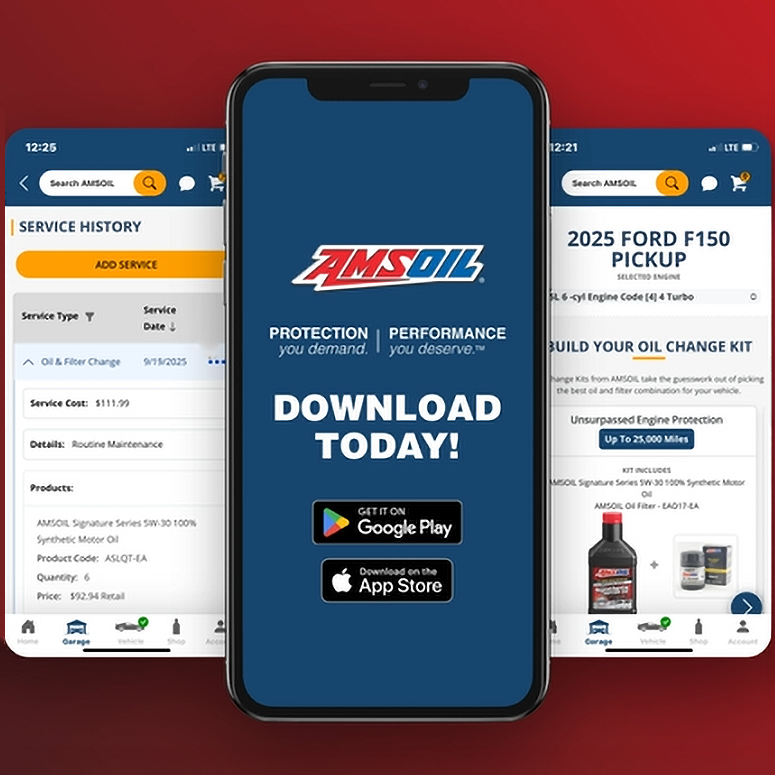
Len Groom: That’s correct. You know, the thing of it is is that the technology is one thing, but getting the right products is a whole another. So we’ve spent a ton of time on this website. And what you can do here, just for today’s purposes, we’ll look at the shop all category and it pops up all of the different products that we have from motor oil to floor mats to decals but for today’s purpose we’ll look at motor oil and we’ll go to gasoline since it’s the top of the list and then what happens here is it pulls up all of our gasoline motor oil products and you can start scrolling through and you can look at our Signature Series products as you and I have talked about many times.
You can go all the way down to our OEM products which are designed to be changed when the car tells you to change its oil. But let’s pick one just for the fun of it. If you want more information on our products, you go, you click on the actual product, you go in and you can look at a data bulletin, you can look at any type of testing that we’ve done. It’s all right there two clicks away, very easy.
John Gardner: You also have some actual specs on the product itself.
Len Groom: That’s correct. Like I said, there’s there’s tests in here, all kinds of good stuff. Mean, you want to know about the product is basically in there.
John Gardner: Boy, that’s so easy. You can get on there and do it during a commercial break. You can find it all at AMSOIL.com.
Losing the base
Base oils are the backbone of the finished lubricant that ends up in your engine. Over time, they lose effectiveness due to the following factors:
Oxidation
The interaction between oxygen molecules and motor oil molecules naturally leads to chemical breakdown.
Just as oxygen causes a cut apple to brown or exposed metal to rust, it breaks down base oils and reduces motor oil’s effectiveness.
Oxidation can lead to increased oil viscosity, which negatively affects energy efficiency. It also causes the formation of harmful deposits and sludge.

High heat
Today’s engines run hotter than ever before, with temperatures up to 235°F (113ºC), and even higher if towing or hauling.
The rate of oxidation for oil doubles for every 18°F (10°C) increase in temperature.
Moisture
Your vehicle is subjected to temperature swings, even when it is parked in the garage.
Those temperature swings cause condensation to form inside your engine, leading to water contamination.
Leaving a vehicle parked for extended periods or taking short trips that don’t allow the engine to fully warm up allow water to remain in the oil rather than evaporating and exiting through the tailpipe. Water can lead to formation of sludge…yet another reason why you must change oil.

Viscosity loss
A lubricant’s viscosity is its most important property.
Viscosity has a direct bearing on wear protection, and your engine is designed to operate best using a motor oil of a specific viscosity (e.g. 5W-30).
The intense pressure the oil bears as it’s squeezed between moving parts, like the piston ring/cylinder wall interface, can tear apart, or shear, its molecular structure, leading to viscosity loss.
Suddenly, the 5W-30 motor oil your engine was designed to use is now essentially a 5W-20 oil, and wear protection may be compromised. When this happens, it’s time to change your oil.
Fuel dilution
Fuel can wash past the piston rings and contaminate the motor oil, causing it to lose viscosity.
Frequent short trips that don’t allow the oil to reach normal operating temperature can be especially problematic because the fuel won’t volatilize and exit through the PCV system.
Excessive fuel dilution leads to sludge and varnish, requiring you to change oil more frequently.
Additives: designed to deplete
Additives are added to base oils to reduce destructive processes and enhance beneficial properties.
For example, antioxidant additives help slow the rate of oxidation. Detergency additives help prevent deposits and sludge while cleaning pre-existing deposits. Formulators add anti-wear additives to some lubricants to form a sacrificial barrier on metal components and help prevent wear.
Since they’re sacrificial in nature, additive depletion is one of the primary reasons motor oil loses its effectiveness and must be changed.
While AMSOIL synthetic motor oil gives you the convenience of fitting oil changes into your schedule, it remains vital to install fresh oil at the appropriate time.
Recommended AMSOIL products
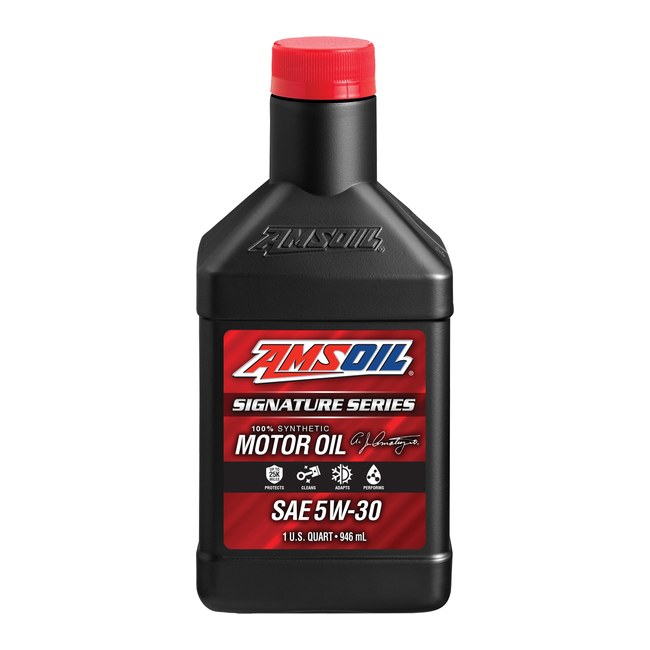
Start with AMSOIL synthetic motor oil and find the exact AMSOIL products for all your vehicles with the AMSOIL Product Guide.
This article is part of our Motor Oil Basics guide. See every article in the guide.


How often would you recommend changing oil (currently NAPA High Mileage Synthetic Blend 5w-20) in a ’93 F350 with a 460 that gets driven less than 5,000 miles per year, but those miles are usually an hour or two on the highway then a couple hours on mountain roads, usually with a heavy load or towing. (I would use AMSOIL but it is far out of my budget right now.)
Hi Jonathan,
We don’t make recommendations for other oils. Follow the guidelines in your vehicle-owner’s manual or the recommendation on the oil-bottle label.
Let me ask you this: AMSOIL products cost more compared to what? True, the initial retail price is sometimes higher than other oils, but you can recoup that money by going longer between oil changes. That’s not to mention the benefits of better wear protection, reduced oil consumption, maximum fuel economy, a cleaner engine and so on. This is especially important if you’re towing and hauling.
Next time you change oil, consider stepping up to AMSOIL XL Synthetic Motor Oil, which is good for up to 12,000 miles or one year.
Thanks,
John
Fantastic article. Thank you.
Changing oil for your car is regularly. Maybe every 2-3 months so that you can have a healthy oil.
I have a 2000 Volvo S80 and drives approx. 10,000 miles a year primarily in city traffic. I use 10w-30 Amsoil Signature Series motor oil rated at 25,000 miles. As I do not drive much do you recommend changing my oil before the 25,000 miles? If so, how frequently in months or miles should I change the oil?
Hi Steve,
Follow our recommendation for Signature Series. Due to the frequency with which you drive in city traffic, your driving conditions probably fall under the “severe” designation. That means you can safely use Signature Series for up to 15,000 miles/one year. Follow those guidelines for the best value.
Thanks,
John