

A perfect day on the water can turn expensive fast. The cooler is packed. The rods are ready. The weather is cooperating.
Then it happens: the engine coughs, sputters and dies. Or worse, it runs halfway across the lake before something inexplicably seizes.
Many boating problems start small: water in the gear lube, fishing line in the prop, a clogged intake or the wrong lubricant. Catch these issues early and you can avoid a tow, a repair bill and a wasted weekend. Here’s a maintenance checklist to make things even easier.
1. Milky Gear Lube
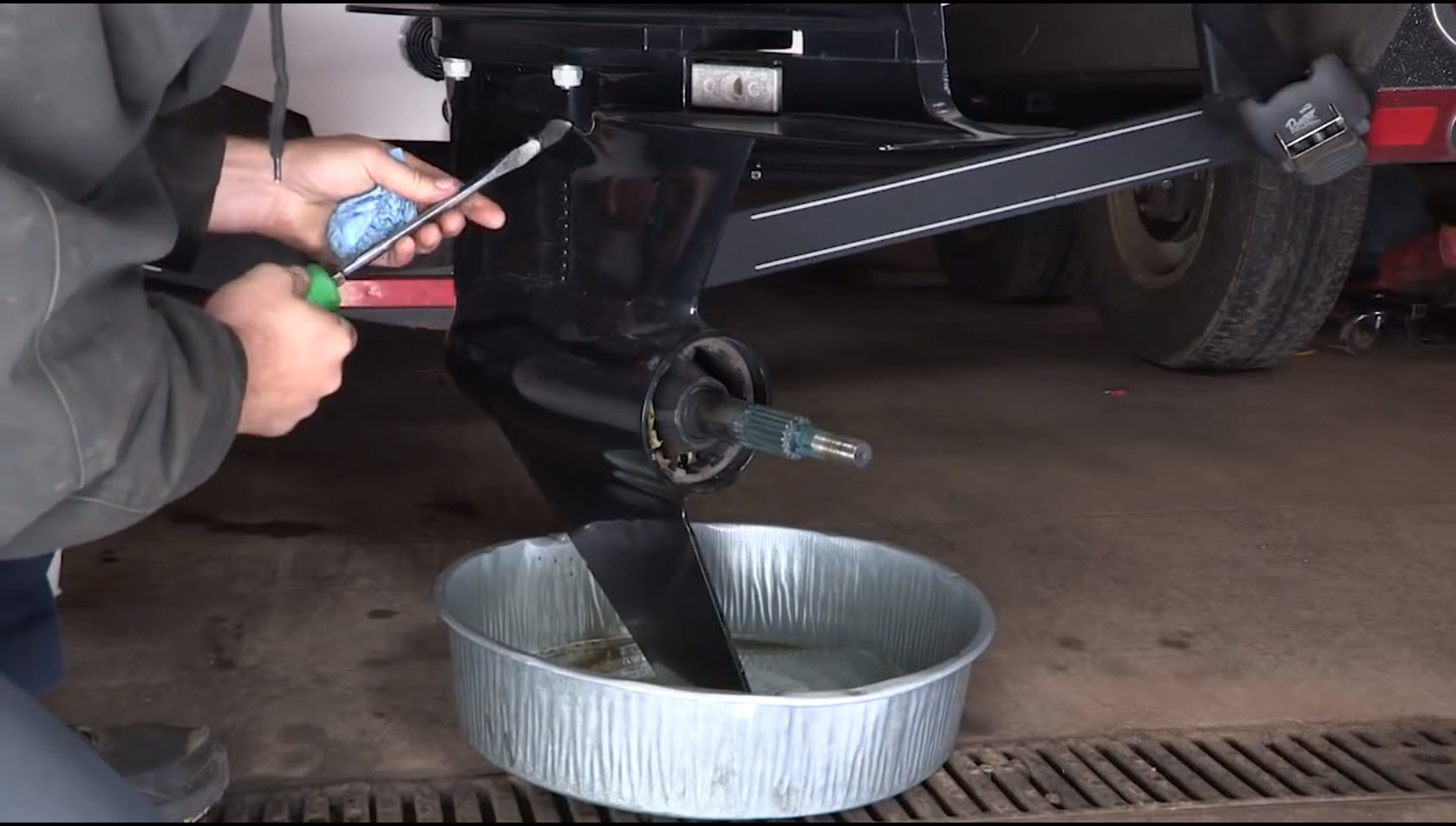
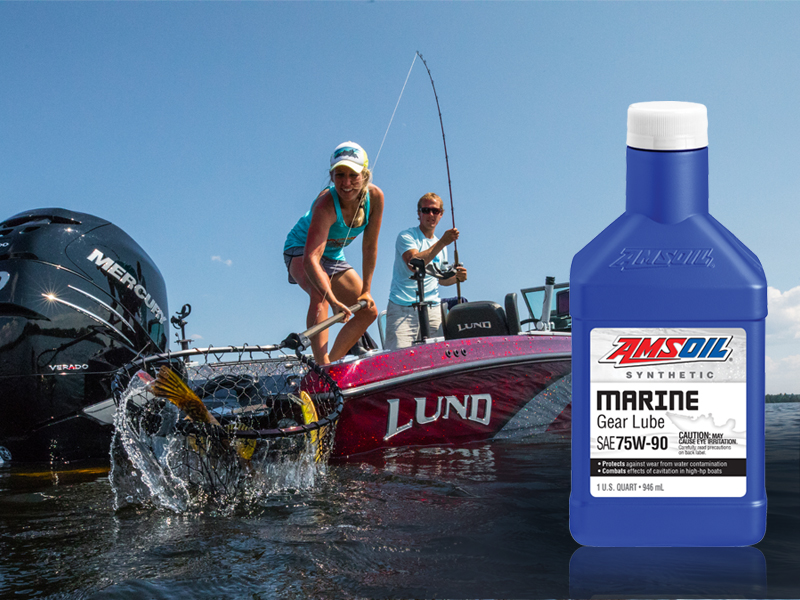
Milky, gray or foamy lower-unit gear lube means water is getting in. Water can reduce viscosity, promote foam and sludge, invite rust and weaken the protective film gears and bearings need under load. Seals can be compromised by fishing line, an impact or simply age. Left unchecked, the gears will start grinding themselves down in a bath of rust and foam.
Change gear lube every fall before winter storage or any time water is getting in. Check the lower unit before launch and at the start and end of the season. If it looks milky, service the lower unit before running the boat.
How to avoid problems:
- Pull the drain screw before launching. If the gear lube is milky, take action before it becomes a much bigger problem.
- Pressure test the gearcase.
2. Fishing Line Around the Prop Shaft
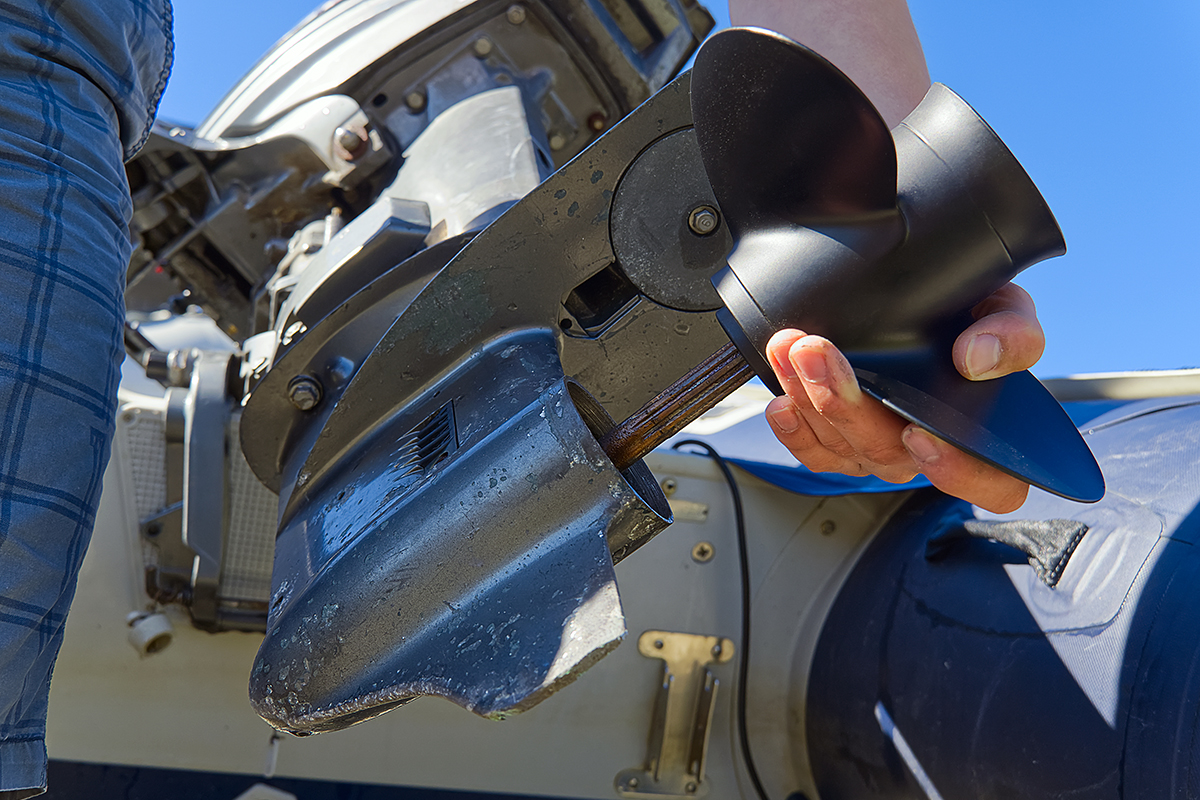
Monofilament and braided fishing line can wrap around your prop shaft and damage seals, creating a path for water to enter the lower unit. Dealers and marine mechanics report many instances of water seepage that can be traced back to fishing line getting caught in the prop.
Telltale signs are a drop of oil on or near the skeg when the unit is out of the water or an oil sheen coloring the water near the stern.
How to avoid problems:
- Remove and inspect the prop regularly.
- Look for wrapped fishing line or signs of leakage
- Keep basic tools and repair hardware on board.
3. Automotive Oil in a Marine Engine
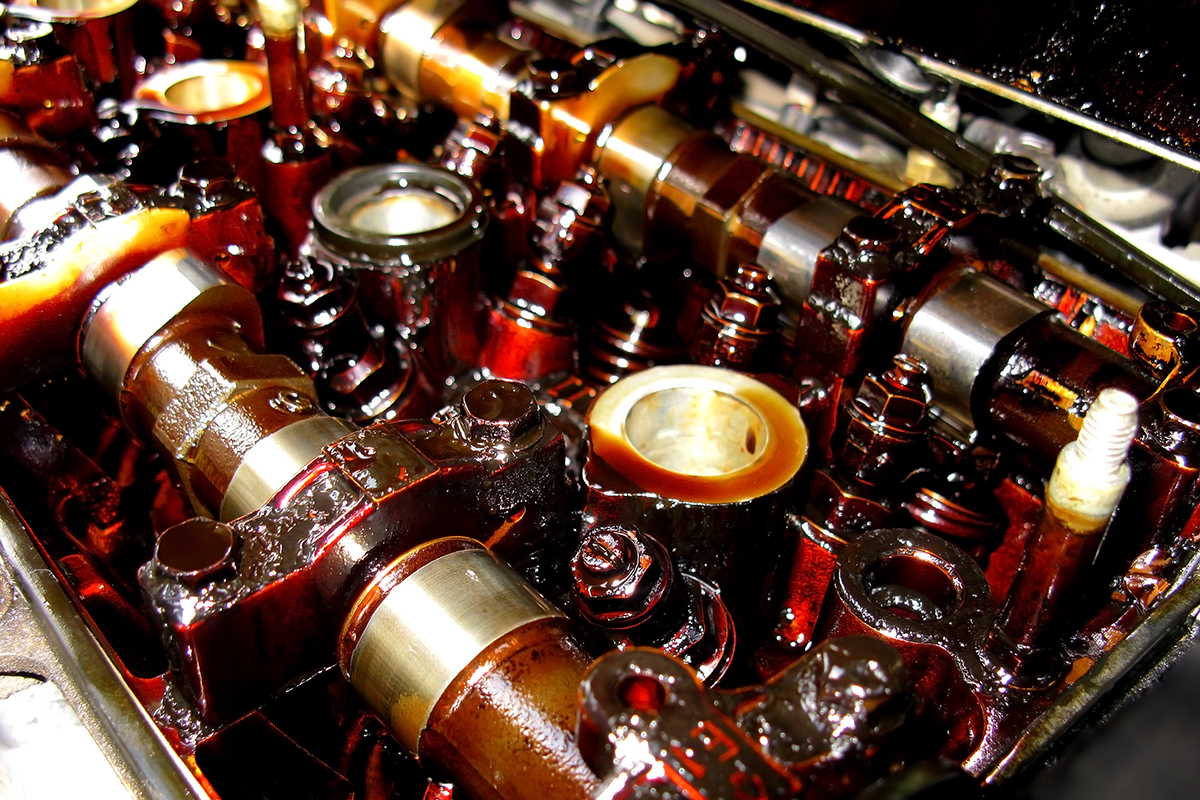
You call AMSOIL motor oil “the good stuff” and have trusted it for decades — but it’s for your truck, not your boat. Marine engines face sustained load, high rpm, wet environments and long storage intervals. Use marine-specific oil that meets the engine manufacturer’s requirements.
How to avoid problems:
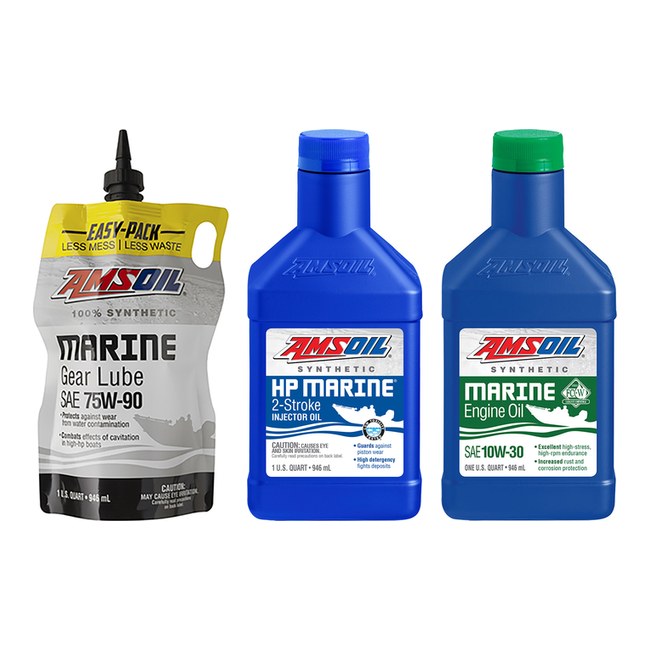
- Use AMSOIL marine products.
- Always use the manufacturer-specified viscosity and volume.
4. Motor Submerged While Docked
Despite being designed for use in water, water is still the number one enemy of boats. A few minutes of inspection before casting off can save a huge amount of stress later.
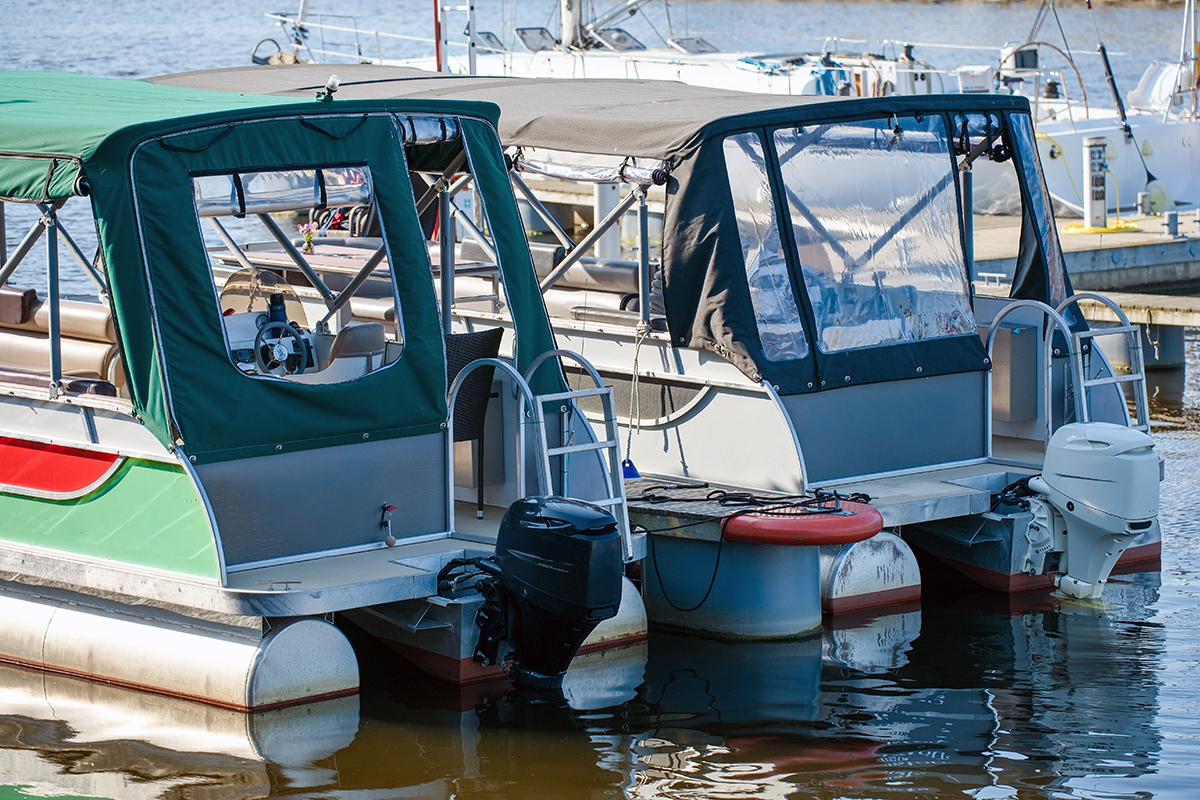
Leaving the drive down can cause saltwater corrosion, algae growth, electrolysis damage or even bent props from tide shifts.
How to avoid problems:
- Raise the outboard, sterndrive or entire boat while docked.
- Flush as soon as possible after saltwater use.
- Inspect before every outing.
5. Overheated Engines
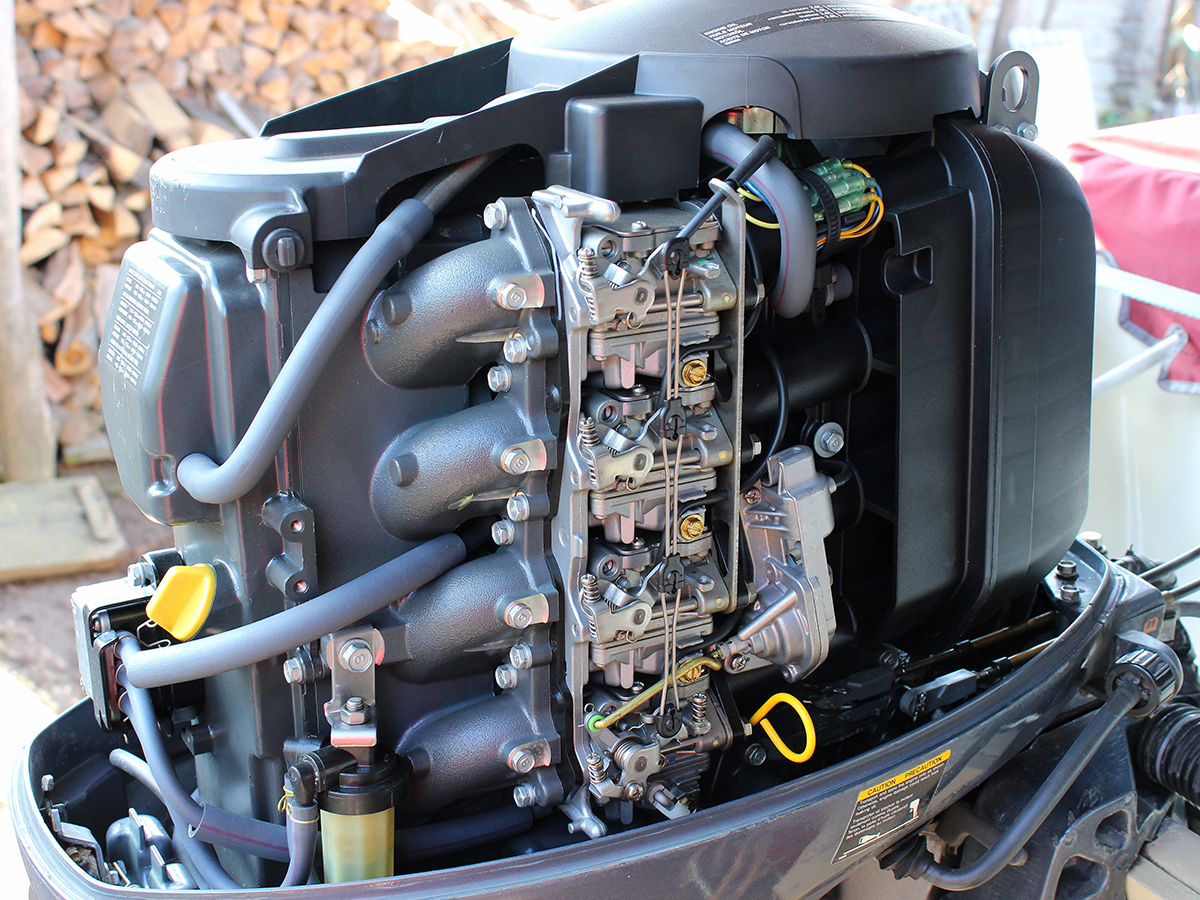
Weeds, sand, mud and plastic debris can block cooling-water intakes and cause an engine to overheat quickly.
How to avoid problems:
- Check the intake before every trip
- Never run the engine dry.
Your Weekend-Saving Boat Checklist
Don’t trust your boat to chance. Following these basic maintenance tips to enjoy more time on the water.
- Check engine oil level, color and smell.
- Inspect lower-unit lube for water contamination.
- Remove the prop and check the prop shaft for fishing line.
- Inspect cooling-water intakes.
- Look for drips, leaks or oil sheen near the stern.
- Confirm battery, bilge, fuel lines and safety gear are ready.
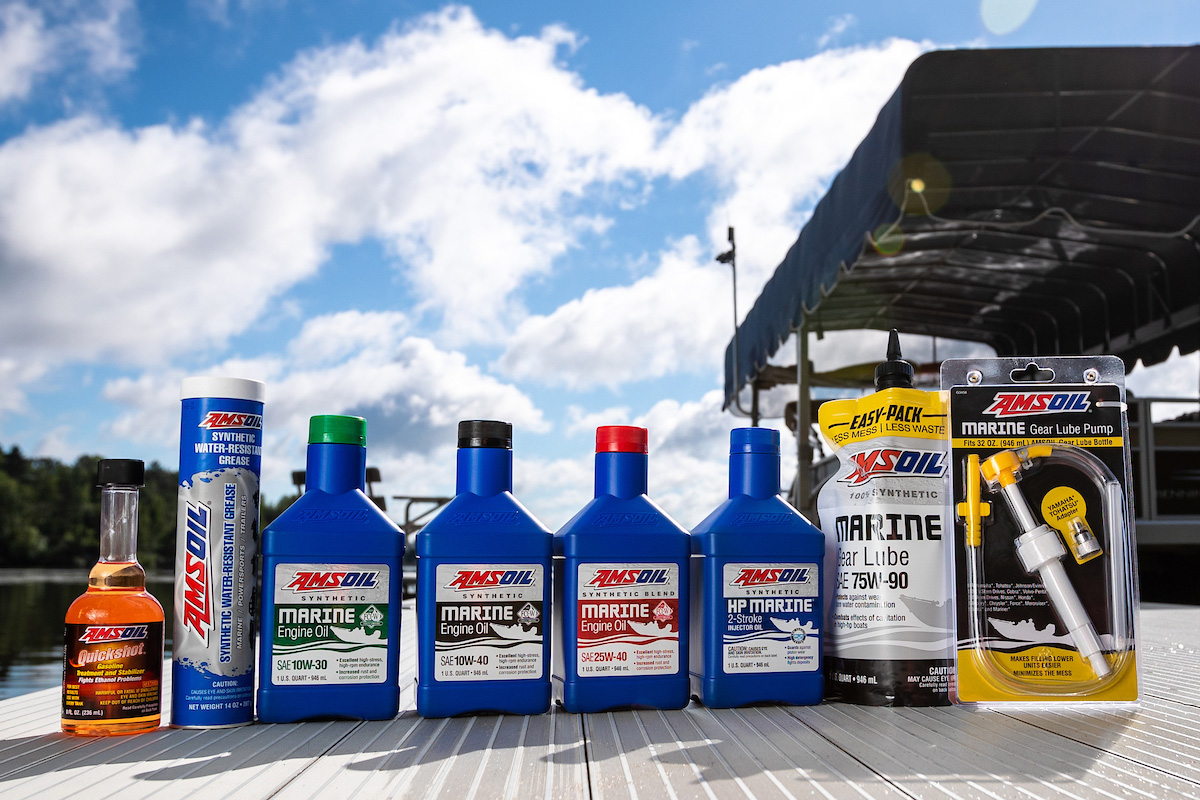
Whether you are running an aluminum fishing rig with a two-stroke outboard, a modern speedboat with twin 500 hp four-stroke V10 engines or an inboard yacht, AMSOIL marine products are purpose-built to protect your investment.

Comments
David Hilgendorf is an AMSOIL Technical Writer who develops content for automotive, powersports and industrial audiences. His work includes technical data sheets, magazine articles, blog posts, white papers, product literature and application guidance. Hilgendorf works with engineers, laboratory personnel and technical specialists to communicate lubricant testing, product performance, maintenance practices, metalworking fluids, grease, motorcycles, marine equipment and industrial reliability.
Share: