
Cold weather creates a multitude of challenges for diesel vehicles. Diesel oil can thicken, diesel fuel can gel and cooling systems are exposed to extreme temperature fluctuations. That’s why preparing your diesel vehicle for winter requires a complete approach that protects the engine, fuel system and cooling system.
Fast Lubrication When Temperatures Drop
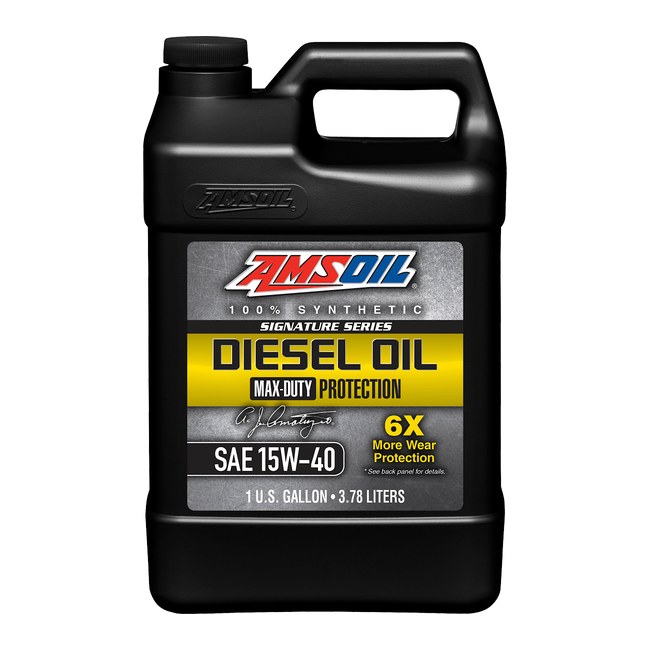
One of the biggest winter challenges is oil flow at startup. Cold-thickened diesel oil delays lubrication to critical engine parts, increasing wear when the engine is most vulnerable. Choosing a premium synthetic diesel oil is one of the most effective ways to improve starting confidence while protecting engines from cold-start wear.
AMSOIL® synthetic diesel oils are engineered to maintain excellent low-temperature fluidity. Faster oil circulation means critical components receive protection sooner, helping reduce startup wear and allowing the engine to operate more efficiently in cold conditions.
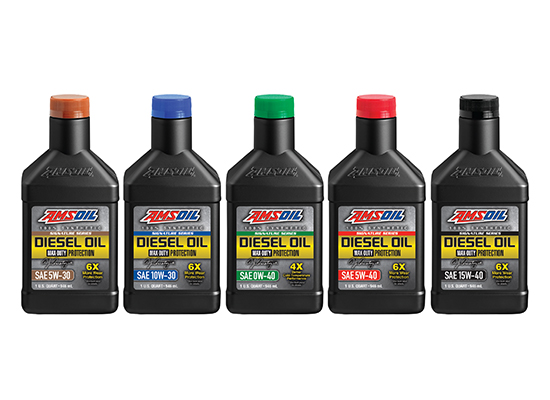
- Delivers 6X more wear protection1
- Maintains proper viscosity (thickness)
- Minimizes oil consumption
- Excels in extreme temperatures
1Based on third-party testing in the Detroit Diesel* DD13* Scuffing Test for specification DFS 93K222 using 5W-30 as worst-case representation
Fuel Protection is Just as Important
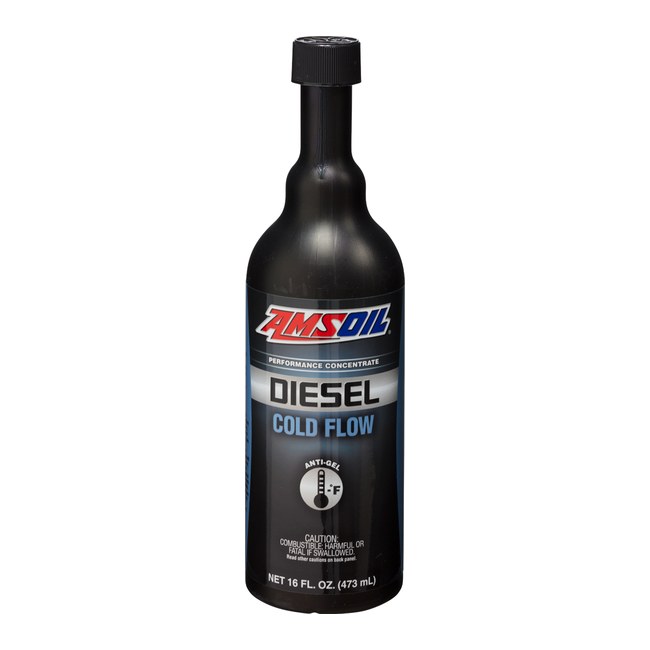
As the temperature drops, the wax naturally found in diesel fuel begins to crystallize. The point at which wax crystals form is known as the cloud point. These wax crystals eventually clog the fuel filter and starve the engine of fuel, preventing it from starting. While low-quality fuels may form wax crystals in temperatures as warm as 40°F (4°C), most fuels have a cloud point near 32°F (0°C). The point at which the crystals clog the fuel filter is known as the cold filter-plugging point (CFPP).
AMSOIL Diesel Cold Flow lowers the CFPP by up to 40°F (22°C) in ultra-low-sulfur diesel (ULSD) fuel. By treating fuel before severe weather arrives, drivers can help maintain fuel flow and reduce the risk of cold-weather fuel issues.
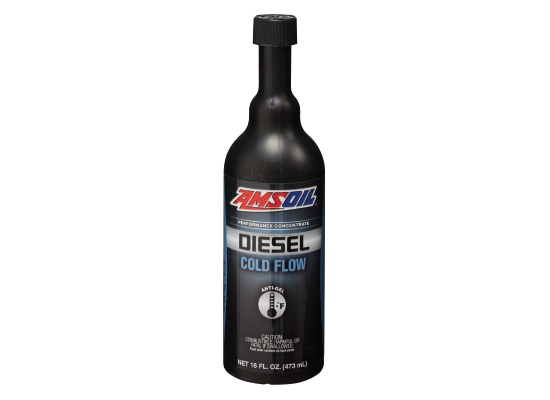
- Lowers cold filter-plugging point (CFPP) by up to 40°F (22°C)
- Enhances engine reliability in cold temperatures
- Fights gelling in cold weather
- Improves low-temperature startability
Don’t Overlook the Cooling System
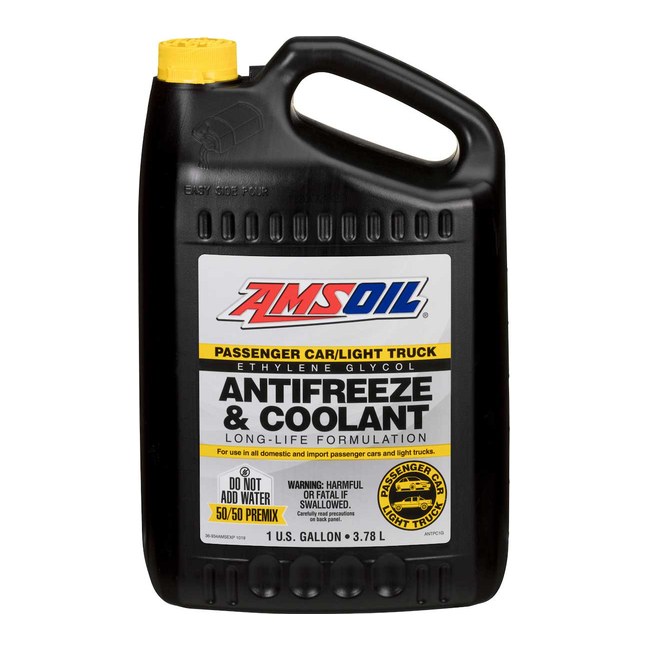
Many drivers associate antifreeze with preventing overheating in summer, but it plays an equally important role in winter. A properly protected cooling system helps ensure coolant remains fluid in extreme cold, protecting engine components and preventing costly freeze-related damage.
AMSOIL coolants help protect cooling systems from freezing temperatures while providing year-round protection against corrosion and deposits.
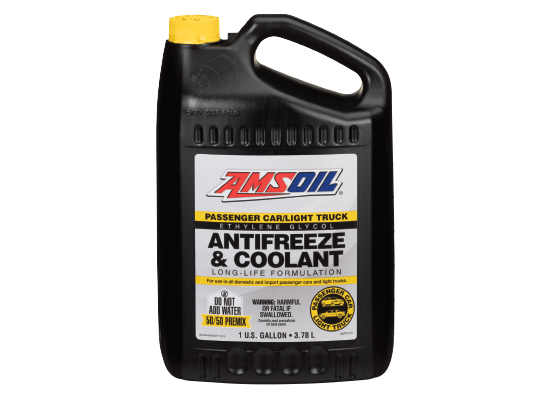
- Engineered to exceed original equipment manufacturer (OEM) requirements
- Pre-mixed 50/50 with high-purity water
- Freeze protection down to -34°F (-37°C)
- Protection up to 150,000 miles (241,000 km) or 5 years, whichever comes first, in passenger cars and light trucks
Light-duty diesel pickups use Passenger Car/Light Truck Antifreeze & Coolant. Heavy-duty diesel trucks and equipment call for a heavy-duty formula.
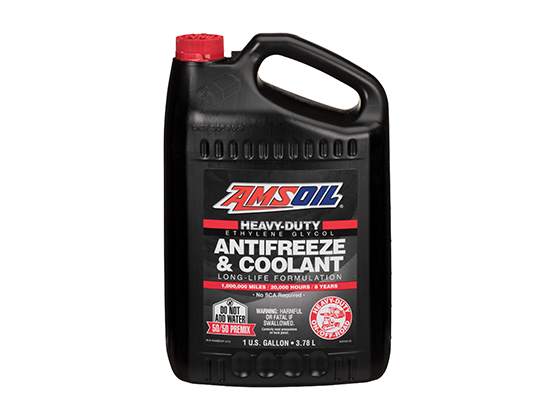
- Pre-mixed 50/50 with high-purity water
- Fully formulated; doesn’t require supplemental coolant additives (SCAs) or extenders
- Freeze protection down to -34°F (-37°C)
- Protection for up to 1,000,000 miles (1,609,344 km), 20,000 hours of operation or eight years, whichever comes first, in heavy-duty applications
Confidence When It Matters Most
Whether heading to work, towing equipment or preparing for a winter road trip, reliability matters. AMSOIL products help ensure diesel vehicles perform and stay protected through the toughest winter conditions.
Banks Power Video Featuring AMSOIL Products
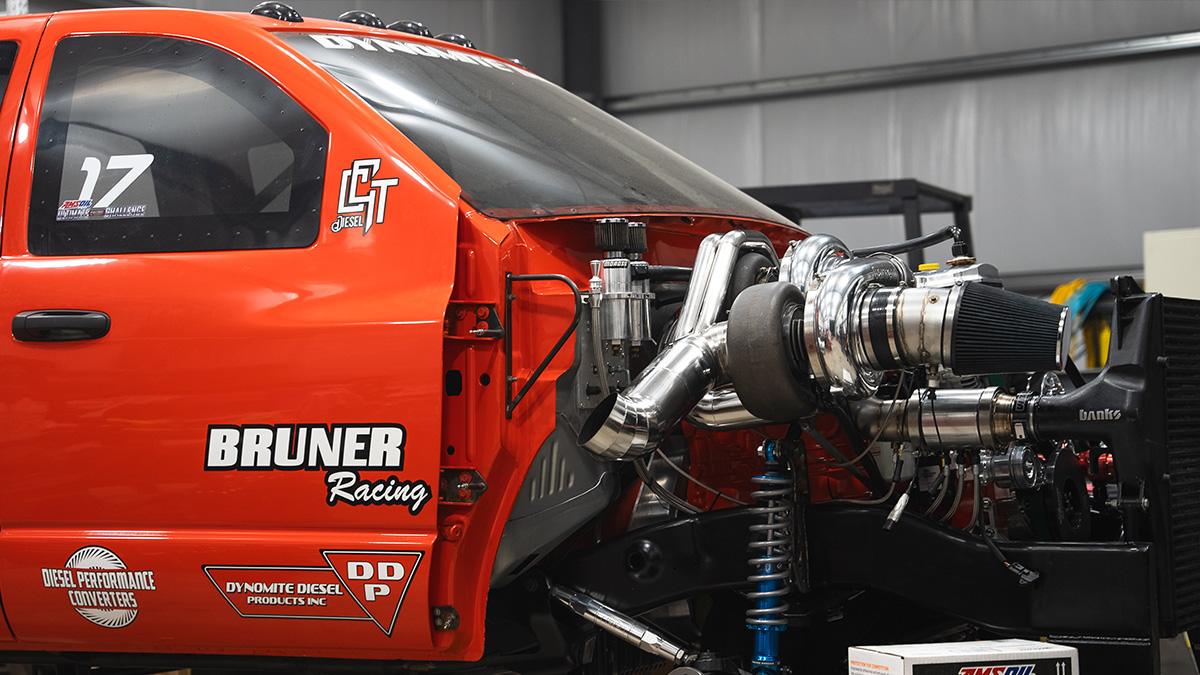
Ever wonder what happens to a diesel engine when the temperature plummets? Gale Banks and the team at Banks Power* did some testing to find out in support of a new product they launched. Their latest video features AMSOIL products and does a fantastic job of explaining how subzero temperatures affect diesel engines at startup.
What the video shows
Banks Power cold-soaked a stock 2024 Ram* 2500 diesel in a climate chamber to find out how cold it could get and still start. The truck ran AMSOIL Signature Series 5W-40 Max-Duty Synthetic Diesel Oil, No. 1 winter diesel treated with AMSOIL Diesel Cold Flow and new batteries. What they found:
- Four temperatures decide whether a cold diesel starts: the outside air, the coolant, the heat of compression (which depends on battery condition and cranking speed) and the intake air.
- A block heater warmed the coolant from -20°F to 32°F, but cold batteries and thick oil still slowed cranking.
- Battery voltage fell as the temperature dropped. At -40°F, cranking voltage fell to 6.4 volts and the engine wouldn’t crank.
The takeaway: keep the engine warm with a block heater, keep the batteries healthy, and use an oil that flows at startup and fuel that’s treated against gelling.
This article is part of our Diesel Oil and Maintenance guide. See every article in the guide.

Comments
Joel Youngman is Lead Technical Writer at AMSOIL and associate editor of AMSOIL Magazine. He develops and edits content covering lubricant technology, product testing, vehicle systems, maintenance practices and equipment applications. Youngman also coordinates magazine articles and Tech Talk columns, working with engineers, product specialists and Communications personnel to maintain technical accuracy, editorial consistency and clear customer communication.
Share: