Site icon AMSOIL Blog

How to Store Your Lawnmower in Winter

Zero-turn mower best maintenance practices

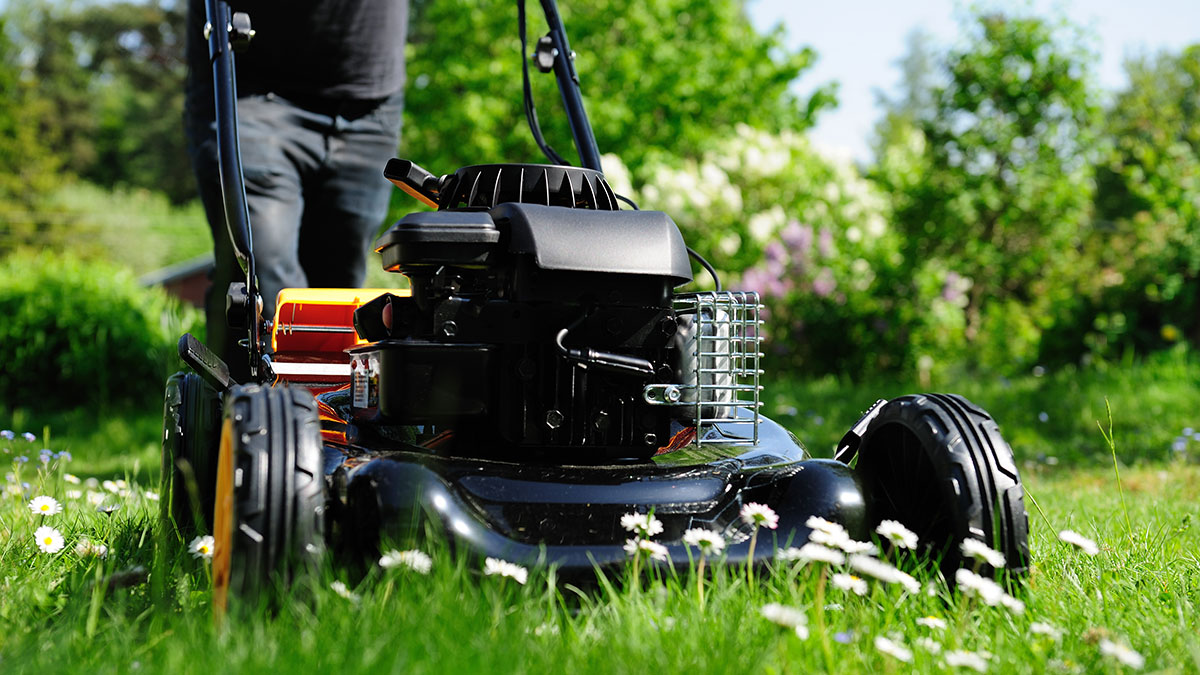
Winter is on the horizon and it’s time to store your lawnmower and other lawn and garden equipment through the colder months. The following tips will help you maximize the life and performance of your lawnmower and ensure it springs quickly to life when you’re ready to mow grass again.

Stabilize the gas

Gasoline can break down in as few as 30 days. Oxygen, humidity, heat and other factors cause gas to change over time. Varnish, gums and other debris may form, which can clog the tiny passages in fuel lines and injectors or stick the floats in carburetors, preventing the engine from starting in the spring.

AMSOIL Gasoline Stabilizer disrupts the chemical chain reaction that causes gas to oxidize and form varnish and gums. It keeps fuel fresh up to 12 months. As shown, it delivers 8X longer fuel stability than Sea Foam Motor Treatment* in the triple-length gasoline oxidation stability test (ASTM D525).


Clean or replace the spark plugs

The spark plugs in a well-maintained lawnmower should last for years. Even so, check the condition for excessive deposits or wear to the electrodes. Clean or replace any dirty plugs as needed. While you’re at it, check the gaps and set them to the proper size, as indicated in the owner’s manual.

Fog the engine

With the spark plug removed, spray fogging oil into the engine. It protects the cylinder, piston and valves from rust and dry-start-induced damage in the spring. Slowly pull the starter cord a few times to distribute the oil, then replace the plug.


Get the AMSOIL App

  • Add vehicles with plate and VIN scanner
  • Track maintenance in MyGarage
  • Fast and secure online ordering
  • Quick delivery right to your door
Get the AMSOIL App

Remove the battery

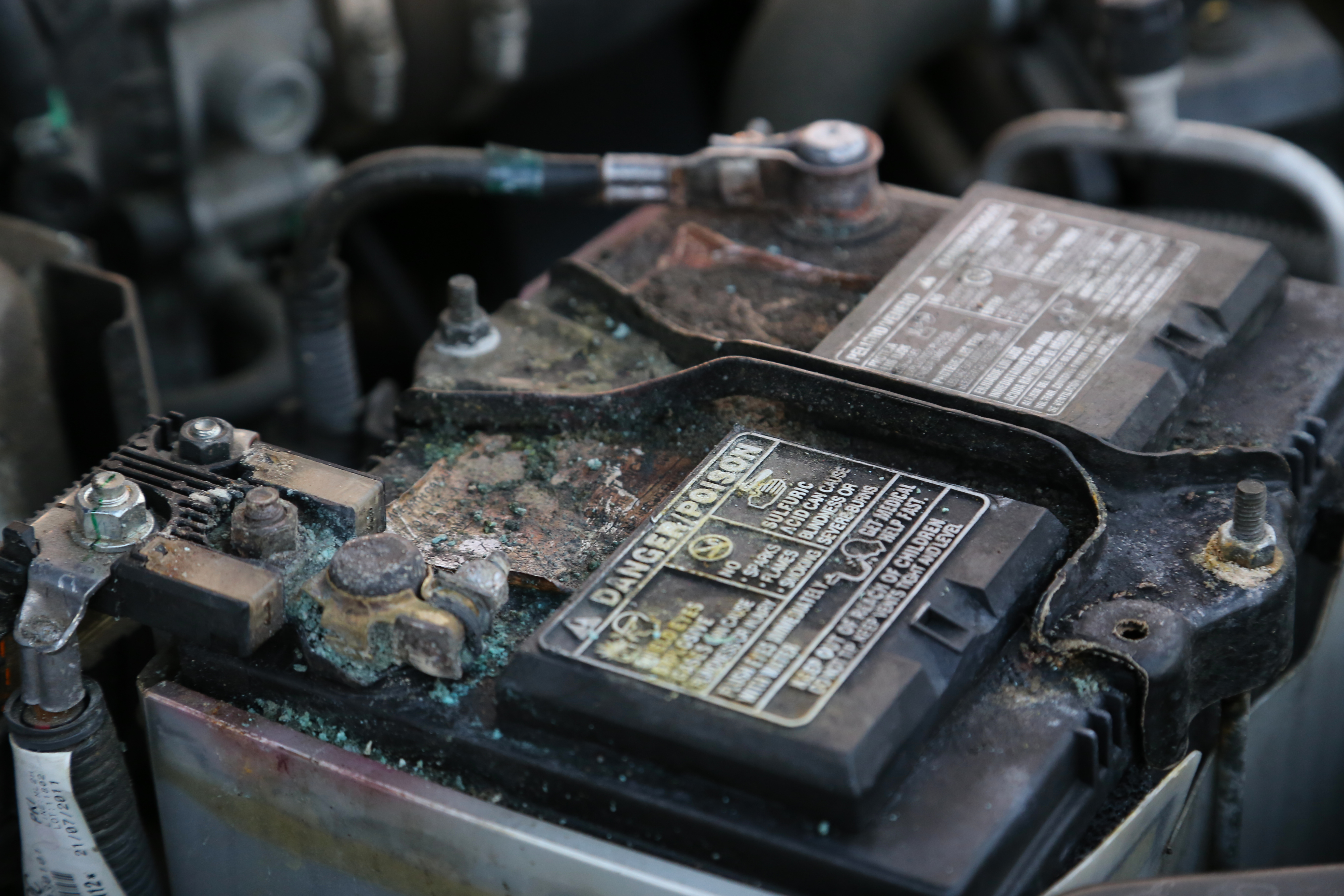
To prevent frigid temperatures from freezing and ruining the battery, remove it and store it in a safe, climate-controlled environment. Avoid placing it next to your furnace, water heater or other mechanicals in the basement. Put it on a shelf away from open flames. Clean any deposits on the terminals.

Clean and protect the deck

Use compressed air, a putty knife, water and AMSOIL Heavy Duty Degreaser to remove grass clippings, leaves, dirt and other caked-on debris from the engine and mower deck. Don’t forget to clean the underside of the deck, too.

If you prefer to ease the pain of doing this dirty work again next year, try coating the underside of the mower with AMSOIL Mudslinger. It forms a durable armor against the accumulation of grass clippings, making cleanup easier.

Change the oil and filter

Used oil contains acids that can slowly rust or corrode metal components. Once rust or corrosion start, they don’t stop. Contaminants can flake off and populate the oil. When the engine is running, they scour like sandpaper and wear out metal parts. Prior to storage, change the oil to remove acidic byproducts and ensure maximum protection against rust and corrosion throughout the winter.

Clean or change the air filter

A steady supply of clean air is just as important to engine operation and performance as high-quality fuel. Grass clippings, leaves, dirt and other contaminants can clog the air filter, causing the engine to start hard or run poorly.

Direct compressed air from the inside of the filter toward its outside to remove contaminants prior to storage. If it’s excessively dirty, replacing it is cheap insurance. The air filter is the only line of defense keeping contaminants from entering the intake and wearing out the cylinder and piston rings. It’s far less expensive to replace an air filter than an engine.

Sharpen the blades

This isn’t required before lawnmower storage, but it’s more convenient to do it now, so nothing prevents a quick mow when that first sunny and dry spring day finally arrives. Remove the blades and sharpen them using an angle or bench grinder, but don’t hesistate to replace them if they’re in bad shape.

Store in a dry, covered place

Once the mower is cleaned and prepared for storage, place it in a clean, dry place for the winter. Avoid storing it outside, but if you have no choice, secure a tarp over mechanical equipment to help protect sensitive components from the elements.

Following these simple lawnmower storage and maintenance tips will ensure your mower starts right up in the spring and continues to provide excellent service for many years.

We also have some advice for when your lawnmower won’t start, and if you prefer videos, we’ve got that too:

Video transcript: How to Get your Lawnmower Ready for Storage

Welcome to Tech Tips. I’m Len Groom, Technical Product Manager for Powersports. A lot of people ask me, What do I need to do to put my lawnmower in storage? Well, here’s a few tips that will help to ensure that your lawnmower will start up when you get it out of the shed in the spring.

The first and probably the most important thing to do would be to change the oil. Contaminants can build up from combustion, from use, from dust and dirt in the environment, and they can end up in the oil. So it’s always good to put the mower in storage with fresh oil in it. Changing the oil isn’t that tough.

Here’s how you do it. The first thing you need to do is drain the oil out. So you want to locate the plug which is underneath, remove it and drain the oil into a pan. You want to add the appropriate amount of oil until the dipstick registers full.

I recommend AMSOIL’s Formula 4-Stroke Small Engine Oil in 10W-30 for this application. Next, you want to treat the fuel. No matter what type of fuel you’re using, you always want to treat it. AMSOIL has two different options.

The first one would be AMSOIL’s Gasoline Stabilizer. This one is designed for long-term storage. This will help fight all forms of fuel deterioration from corrosion to varnish to any type of buildup. This is for long-term.

The second option would be AMSOIL’s Quickshot. This is designed to be used over the course of the summer. This will also help fight corrosion. It will help fight any type deterioration.

But this product also helps with any of the issues that are associated with ethanol. So, one way or the other, make sure you’re treating your fuel. Next, let’s take a look at the air filter. It’s often overlooked.

It’s usually pretty easy to get to. So you want to take the cover off, inspect it, clean it if you can. But, if it’s too dirty, replace it. So there you have it.

Just a few simple things that you can do to ensure that your mower comes out of storage ready to run. One thing we should note: If you ever have a question on quantity or any of these procedures, the first thing you should do is consult your owner’s manual. One last thing: Some of these new lawnmowers, specifically the push mowers, don’t have a drain plug. So you need to look in your owner’s manual for the procedure.

Most of the time it’s going to want you to drain the oil out through the filler neck. Thanks for watching. We’ll see you next time.