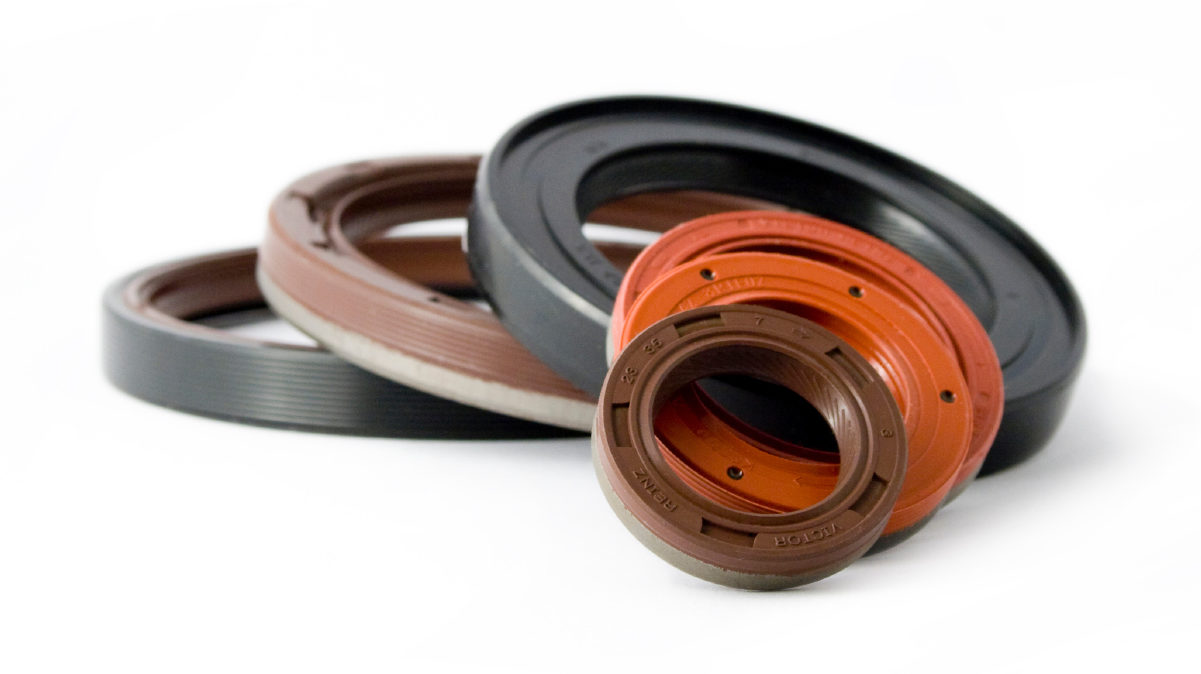



What are seals?
Seals often take the form of rings or gaskets, which join two surfaces together and must create an effective fluid barrier over long periods of time under extreme changes in pressure and temperature.
Most motorists don’t think about seals until they notice a fluid leak. Common seal locations include valve covers, crankshaft, transmission output shaft and axles. Vehicles contain many different seals, which are responsible for:
- Retaining fluids within the system
- Keeping contaminants out
- Keeping different fluids separated
- Confining pressure
When synthetic lubricants were first introduced, many people erroneously believed the oils were too slippery and leaked past seals. However, field studies and real-world use by countless motorists has proven otherwise.
A more common scenario is that switching to synthetic lubricants will clean internal components, washing away existing sludge and other contaminants, which could potentially be plugging leaky seals. Using synthetic lubricants from the start keeps internals cleaner and helps seals last longer.
Video transcript: How to Deal with Oil Leaks
Featuring John Gardner, ASE Master Certified technician, automotive technology instructor and host of Motorhead Garage, with AMSOIL Director of Product Marketing Len Groom.
John Gardner: Perhaps you’re smelling some oil burning and you suspect a leak. You put some cardboard under there and bam, you got a wet spot. Yep. You got an oil leak.
Welcome to this AMSOIL tech tip. We’re talking about high mileage oil and also what can we do to prevent these leaks. First of all, let’s find a leak. How do you do it?
We’ll get you some of the AMSOIL Brake Clean. Clean all the residual oil off of there, spray it down, get you some foot powder, spray it on there and check for the wet spot. You may be able to track it down. If you can’t there, well you get some oil dye.
Put it in the oil and I have a black light here and I can shine it on here. When I put the black light on here, it actually emphasizes the oil. So if you have a little drop, it’s really going to show up and you’re going to be able to find it. But what causes all that?
Well, there’s a term called blow by. You can see it right here. Every time it you’re gonna get a little combustion and gases down in there, mixing with the oil and causing pressure. Not a good thing.
The oil has to be designed for that as well. Right, Len?
Len Groom: Well, it does. And you get these vehicles that have a little
bit more time on them, a little more mileage on them, things like varnish, sludge, different things can build up in there.
So you wanna get an oil in that vehicle that’s going to be designed to help go in there and clean that stuff up. That’s our high mileage motor oil.
John Gardner: Now another thing is the vehicle seals. You could have cork, rubber, neoprene, they’re all different designs.
We can actually help with AMSOIL. You can help prevent oil leaks with a high mileage vehicle. Correct?
Len Groom: Yeah. That’s correct. And those things are that you talked about are generally the culprit when you’ve got an oil leak happening. And so what we do here is we formulate with a decent amount of seal conditioner, seal swell additive, and what that does is it goes in and it helps to kind of rejuvenate some of those older dried out cracked seals.
John Gardner: And the proof’s in the pudding. This is Dave’s Xterra* back here. He’s been using AMSOIL in there from the get go. He now uses the high mileage oil, and you can too. Just go to AMSOIL.com
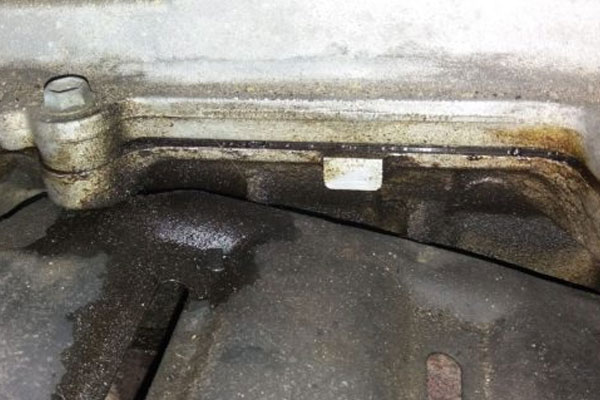
Age, temperature, mileage and even storage can lead to seals shrinking, cracking or tearing.
What are seals made of?
In the 1930s, engineers pioneered the manufacturing of synthetic rubber, also known as elastomers. Made primarily of elastomers, modern seal materials offer enhanced performance in harsh environments.
Common automotive seal materials include nitrile, neoprene, silicone, ethylene acrylic, polyacrylate and fluoroelastomer. Each material offers different strengths and weaknesses throughout different temperature ranges (see list below).
Age, temperature, high mileage and storage can lead to drying and hardening of elastomers, causing shrinking, cracking or tearing. In addition to fluid leaks, damaged seals can allow dirt and other contaminants to enter the system, negatively affecting performance and increasing wear.
Nitrile seals, better known as buna-N (NBR), are common in automotive applications due to their low cost and good resistance to oil, water, grease and other substances. However, NBR offers poor resistance to ozone and weather aging. Ethylene acrylic and polyacrylate are often used in transmission and power-steering units.
Proper seal lubrication keeps fluids in and contaminants out of your vehicle.
Do seals require lubrication?
Wherever seals are installed and whatever they are made of, proper lubrication is required to maximize life and performance. Seal and lubrication compatibility is achieved by selecting the proper base oils and additives that cause seals to swell at a slow, controlled rate over their usable lives. This swelling allows the seal material to fill any gaps caused by worn material and prevent premature leakage.
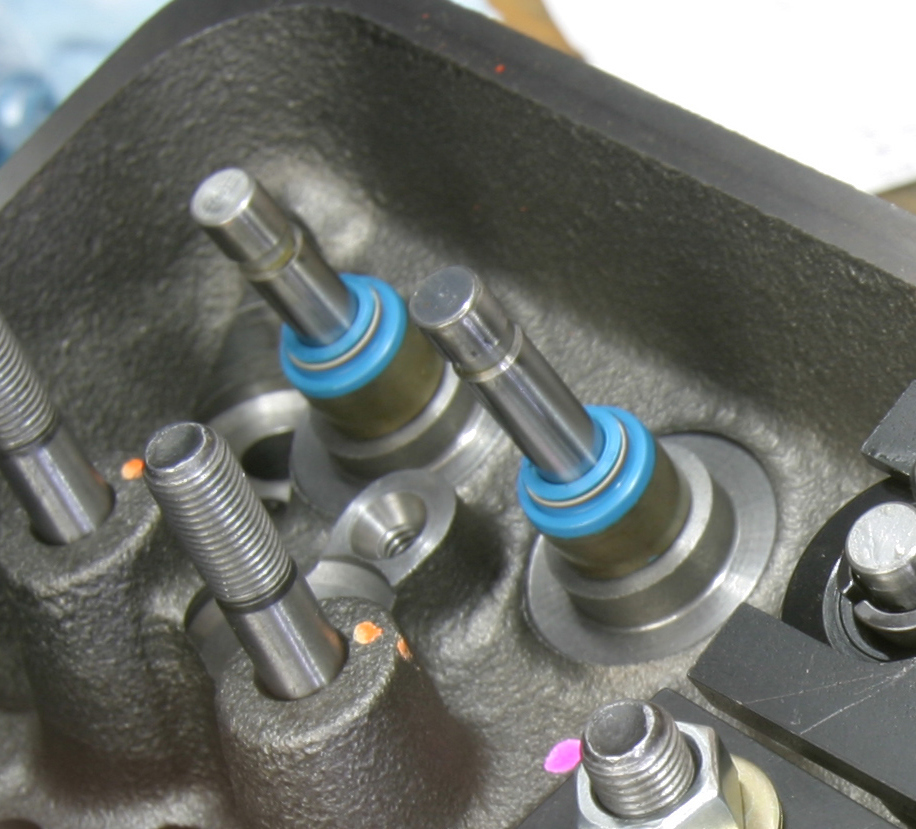
Seal conditioners are added to lubricants to help keep seal materials supple and prevent them from becoming brittle and causing leaks. For example, valve seals prevent oil from entering the cylinder during the intake stroke. A dry, brittle seal may allow oil to leak past the seal and burn during combustion, causing the engine to consume more oil.

Comments
David Hilgendorf is an AMSOIL Technical Writer who develops content for automotive, powersports and industrial audiences. His work includes technical data sheets, magazine articles, blog posts, white papers, product literature and application guidance. Hilgendorf works with engineers, laboratory personnel and technical specialists to communicate lubricant testing, product performance, maintenance practices, metalworking fluids, grease, motorcycles, marine equipment and industrial reliability.
Share: