The short answer: an automatic transmission slips when its clutch packs can’t hold. The usual causes are fluid that heat has broken down, fluid that’s low, or the wrong fluid for the transmission. Each clutch pack depends on clean, stable fluid with the right friction properties, so the fix often starts with the fluid, before the clutches wear out and the vehicle won’t move at all.

Video transcript: How to Address Transmission Slipping
Featuring John Gardner, ASE Master Certified technician, automotive technology instructor and host of Motorhead Garage, with AMSOIL Director of Product Marketing Len Groom (author profile).
John Gardner: Transmission slipping, or perhaps it’s not moving at all? Well, let’s take a look inside to see why that might be happening. Welcome to this AMSOIL Tech Tip. We’re going deep inside the transmission, and we’re taking a look at the clutch packs.
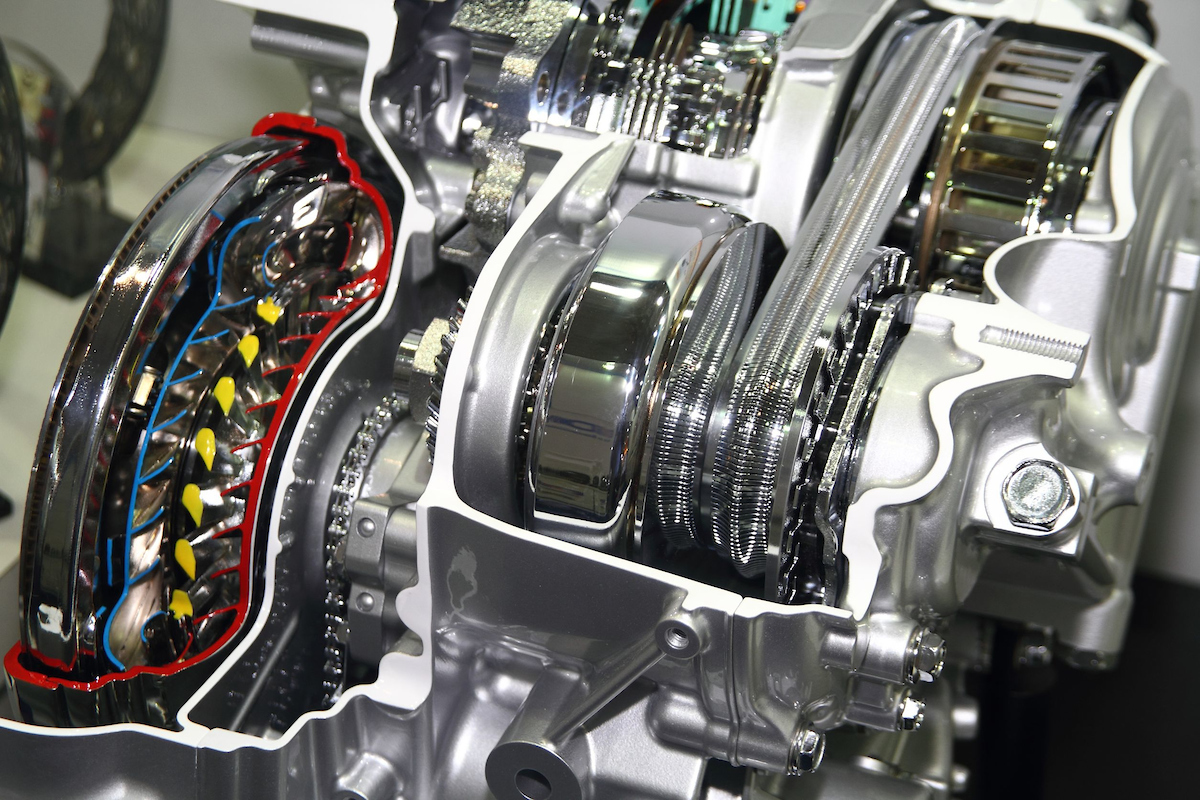
Where are they? Well, they’re located inside there. You can see them right there inside the transmission. What do they do? Well, they hold different members of the transmission to achieve gears. It’s a pretty complex machine. But you can see here, there’s friction material, steel plates, friction material, and then a drum with a piston. Better yet, I have one right here on the table.
You can see this is the actual drum. Now, there would be a band around here that would hold the outer, and the inner is some members that cause the gears to shift. So I can pull them out here. There’s a little snap ring. I’ll pull them out and show you the clutches. So you have the actual steel, and then in between there, you have these fibers. Steel and fibers. So what’s going on is they’re spinning in there, and then down here is a piston assembly.
So when the fluid gets directed to this clutch pack, it actually pushes that piston up, bam, and it squeezes those clutches and it holds those clutches in place. You can see it right here on the graphic. It’s actually got the clutches right here and then the piston pushing in on them, squeezing them. Now, here’s a whole range reference chart. What’s going on here? Oh, we don’t expect you to know that, but it actually shows what’s held and applied to achieve all these different gears. But, Len, these gears are not going to happen without fluid.
Len Groom: Nope. This whole thing requires fluid to make it all work. That’s kind of the cool part, and it’s all fluid under pressure, as you’ve discussed. The thing of it is that fluid needs to be reliable. It needs to be able to hold up to different kinds of heat, but mainly pressure. And pressure is the keyword there.
John Gardner: I have a pressure solenoid right here, Len. And what’s happening with the newer transmission is, well, it might start slipping. The transmission boosts line pressure. Slipping. Boosts line pressure. And then all of a sudden, it doesn’t move at all, and you wind up with these clutches, man. AMSOIL has a product that’s gonna help this situation.
Len Groom: It does. Our Signature Series Transmission Fluid is designed to hold its viscosity under those insane heat conditions. And then we don’t have to continue to boost those pressures and then increase the heat, which causes that clutch slippage. If the fluid will hold together due to really good base oils and properly formulated additives, you don’t run into any of these problems. So avoid it by using a good product. Simple.
John Gardner: And there you go. You can check them out on the website at amsoil.com. Find this fluid and so many others.
What does a slipping transmission feel like?
- Engine rpm flares up during a shift, or while cruising, without the vehicle speeding up to match.
- A delay or a clunk when you shift into Drive or Reverse.
- Shifts that come late, feel soft or shudder.
- A burnt smell, or dark fluid on the dipstick.
- A check engine or transmission warning light.
How do clutch packs hold the gears?
Inside an automatic transmission, clutch packs and bands hold different parts of the planetary gearset so it can make each gear. A clutch pack alternates steel plates with friction discs inside a drum. When the transmission sends fluid to that pack, a piston pushes up and squeezes the plates together so they lock and turn as one. The range reference chart in a service manual shows which clutches and bands apply in each gear.
What causes a transmission to slip?
- Heat-damaged fluid. Heat is a primary enemy of transmission fluid. High temperatures speed up oxidation, reduce the fluid’s ability to lubricate and cool, and leave sludge and varnish that restrict oil passages and interfere with shift quality.
- Rising line pressure. As the fluid degrades, newer transmissions compensate by raising line pressure through a pressure-control solenoid. That creates more heat and speeds up the breakdown.
- Low fluid. A leak or an overdue top-off leaves too little fluid to apply the clutches firmly.
- Glazed or worn clutches. Varnish and heat glaze the friction material, so the plates slip even with full pressure behind them.
- The wrong fluid. A fluid without the friction properties the transmission was designed for can cause slipping, shudder or poor shift feel, even if it seems fine at first.
Can the wrong transmission fluid cause slipping?
Yes. Automatic transmissions, continuously variable transmissions (CVTs) and dual-clutch transmissions (DCTs) all send engine power to the wheels, but they use very different hardware, so they need different fluids. “Automatic transmission fluid (ATF) selection used to be simple,” AMSOIL Product Development Engineer Grady Tank wrote in the September 2026 AMSOIL Magazine. “Today, that approach is risky.” A familiar label such as DEXRON* or MERCON* is no longer enough. Modern specifications are written around specific transmission designs, and many automakers now set their own.
Start with the application: identify the exact transmission type and the automaker’s specification, then choose the fluid engineered to meet it. ATF, CVT fluid and DCT fluid aren’t interchangeable just because every bottle says “transmission.”

How do you prevent transmission slipping?
Check the fluid level regularly and change the fluid on or ahead of the manufacturer’s recommended maintenance schedule following the fluid specification your owner’s manual. Don’t forget to use the severe-service interval if you tow or haul.
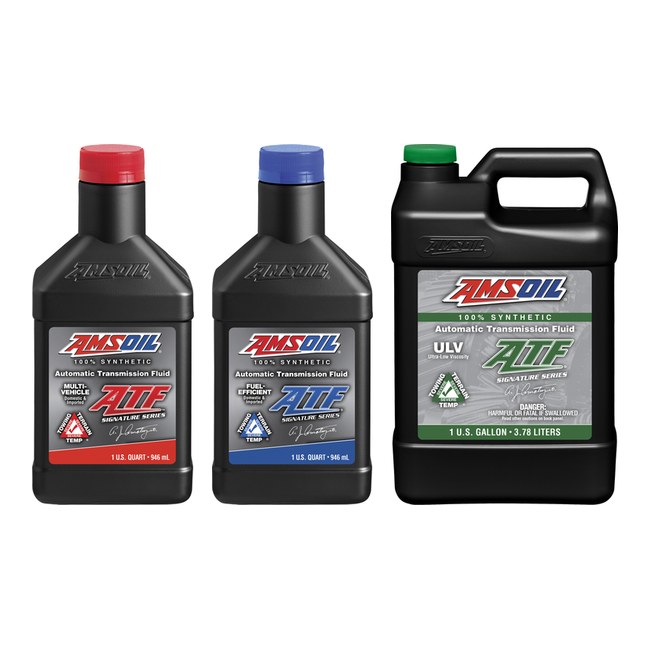
AMSOIL Signature Series® Multi-Vehicle 100% Synthetic Automatic Transmission Fluid is formulated with high concentrations of antioxidants to protect against the sludge and varnish that clog narrow oil passages and contribute to clutch glazing. Its friction modifiers deliver clutch-holding capacity, torque transfer and anti-shudder protection. In a 180,000-mile, severe-service field trial in Las Vegas taxi cabs, the transmission’s valve body was virtually free of sludge, and the clutch plates earned the highest possible rating for protection against deterioration and wear.
If your transmission shifts harshly instead of slipping, see Common Fixes for a Transmission That Shifts Hard.