


Here at AMSOIL, we’re always investigating ways to help you get the most out of your vehicles and equipment. One example includes zero-turn mowers used by landscape professionals and homeowners with big yards to maintain. In this post, we’ll review some zero-turn mower maintenance best practices.
How zero-turn mowers work
Zero-turn mowers have been a staple for landscape professionals for several years and are popular among homeowners with large lawns. Their advantage comes from the ability to make sharp turns with swiveling front wheels and independent rear wheels.
The machine is typically controlled by a series of belts, pulleys and hydraulic controls that the user operates with control levers. They cut closely along the edges of shrubs, flowerbeds and other obstacles, decreasing the need for extra trimming.
They’re especially convenient when mowing around trees and making 90-degree turns since you don’t have to engage the clutch several times to go backward and forward, saving time and making the job easier.

Zero-turn mower safety
Zero-turn mowers do have downsides. Steep slopes are a hazard, and many manufacturers warn about potential rollover risk. As a best practice, consult your owner’s manual when dealing with slopes more than 10 degrees, especially if the grass is wet. Many models have roll bars and seat belts to help prevent injury.
Avoid side mowing, especially if there’s standing water or a drop-off at the bottom of the slope. In these cases, a push mower or trimmer is likely the best way to go. As always, it’s best to use proper hearing and eye protection.

Zero-turn mower maintenance
A properly maintained zero-turn mower can deliver years of reliability, even after having logged several hundred hours.
Here are a few maintenance tips:
Maintain zero-turn mower belts
Belts are one of the biggest maintenance concerns with zero-turn mowers. To keep the belts working well, keep the outside of the deck clean and periodically clean the underside of the deck of clippings and debris. Keeping the deck clear will help prevent the belts from getting beat up.
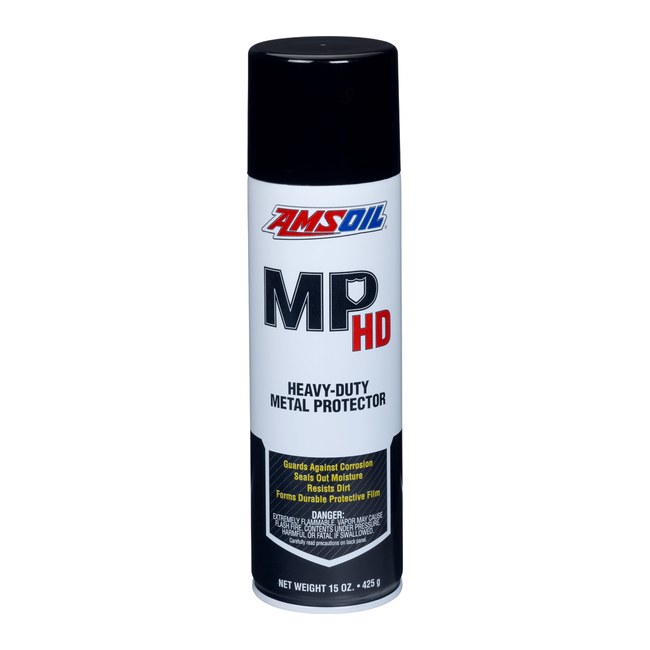
Consider coating the deck and blade with AMSOIL Heavy Duty Metal Protector to keep out water and dirt. Be sure to periodically check the pulleys and belts for wear and replace them as needed.

Grease the spindles
Spindles are another component that needs attention. Commercial-grade zero-turn mowers often require proper greasing of the spindles to ensure the blades rotate properly.
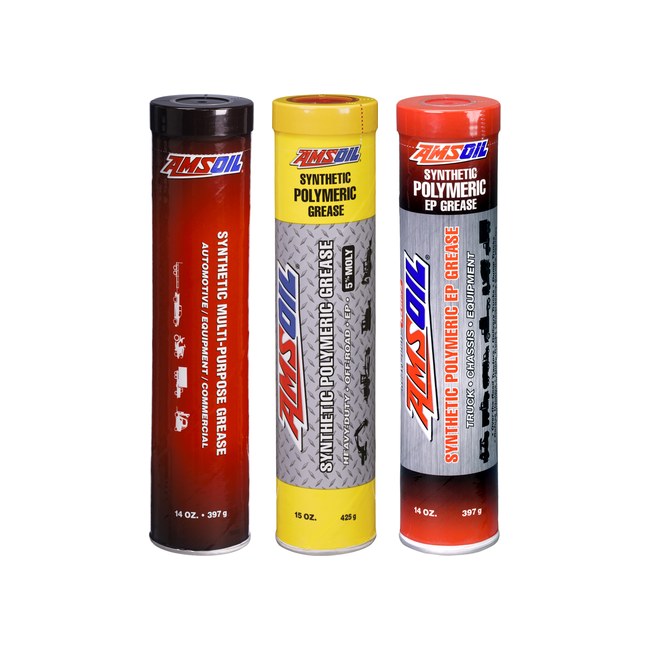
Grease spindles using AMSOIL Synthetic Water-Resistant Grease to protect against metal-to-metal contact and resist washout in wet conditions, reducing the need for frequent greasing.

Tend the transmission
Many commercial-grade zero-turn mowers also use a hydraulic transmission that uses oil pressure to drive the wheels in different directions and at variable speeds. Heat exposure leads to sludge and varnish formation that degrades performance, resulting in rough operation and poor control that frustrates operators and leads to hydrostatic transmission wear and expensive repairs.
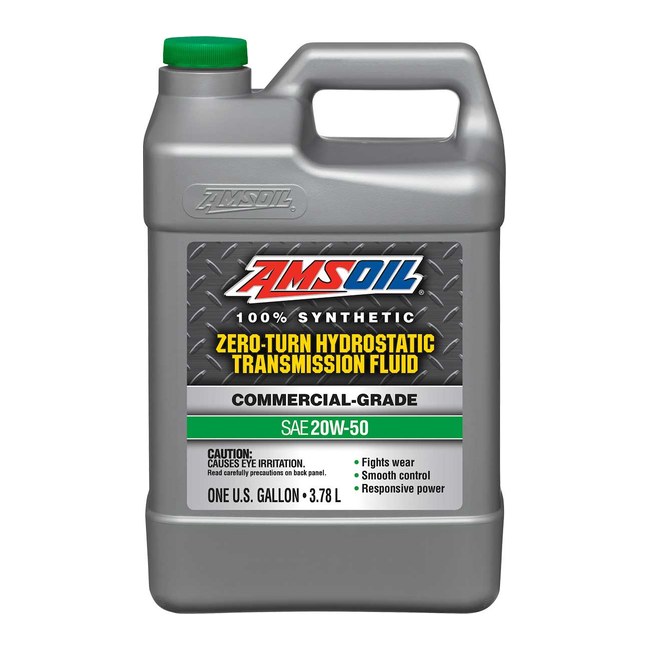
To ensure smooth operation, change transmission oil according to manufacturer recommendations. Some models may specify a motor oil to keep these high-pressure components protected. AMSOIL 20W-50 Synthetic Hydrostatic Transmission Fluid is excellent in these applications.
Change the oil
Landscaping professionals put a lot of hours on their equipment, which requires regular fluid checks to ensure it performs at its best and gets the job done when called upon. When it’s time to change the oil, premium AMSOIL synthetic motor oils provide the protection your equipment needs to keep it running at peak performance. It is also a good idea to change the oil at the end of the season, so contaminants are flushed from the engine before it is parked.

Storage
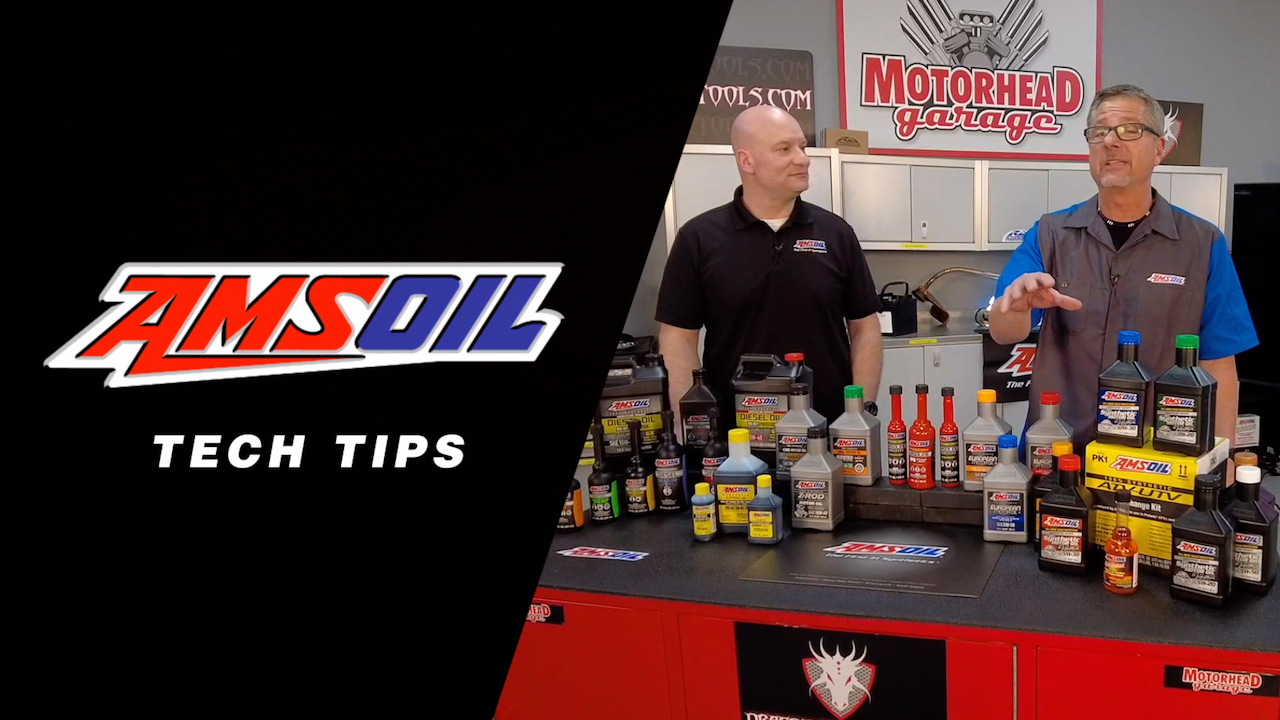
When the off-season comes, be sure to clean and protect your investment and add fuel stabilizer to ensure it fires up quickly when removed from storage next season. For more storage tips, check out the video below.
Video transcript: How to Get your Lawnmower Ready for Storage
Welcome to Tech Tips. I’m Len Groom, Technical Product Manager for Powersports. A lot of people ask me, What do I need to do to put my lawnmower in storage? Well, here’s a few tips that will help to ensure that your lawnmower will start up when you get it out of the shed in the spring.
The first and probably the most important thing to do would be to change the oil. Contaminants can build up from combustion, from use, from dust and dirt in the environment, and they can end up in the oil. So it’s always good to put the mower in storage with fresh oil in it. Changing the oil isn’t that tough.
Here’s how you do it. The first thing you need to do is drain the oil out. So you want to locate the plug which is underneath, remove it and drain the oil into a pan. You want to add the appropriate amount of oil until the dipstick registers full.
I recommend AMSOIL’s Formula 4-Stroke Small Engine Oil in 10W-30 for this application. Next, you want to treat the fuel. No matter what type of fuel you’re using, you always want to treat it. AMSOIL has two different options.
The first one would be AMSOIL’s Gasoline Stabilizer. This one is designed for long-term storage. This will help fight all forms of fuel deterioration from corrosion to varnish to any type of buildup. This is for long-term.
The second option would be AMSOIL’s Quickshot. This is designed to be used over the course of the summer. This will also help fight corrosion. It will help fight any type deterioration.
But this product also helps with any of the issues that are associated with ethanol. So, one way or the other, make sure you’re treating your fuel. Next, let’s take a look at the air filter. It’s often overlooked.
It’s usually pretty easy to get to. So you want to take the cover off, inspect it, clean it if you can. But, if it’s too dirty, replace it. So there you have it.
Just a few simple things that you can do to ensure that your mower comes out of storage ready to run. One thing we should note: If you ever have a question on quantity or any of these procedures, the first thing you should do is consult your owner’s manual. One last thing: Some of these new lawnmowers, specifically the push mowers, don’t have a drain plug. So you need to look in your owner’s manual for the procedure.
Most of the time it’s going to want you to drain the oil out through the filler neck. Thanks for watching. We’ll see you next time.
This article is part of our Small Engine and Power Equipment guide. See every article in the guide.



Comments
David Hilgendorf is an AMSOIL Technical Writer who develops content for automotive, powersports and industrial audiences. His work includes technical data sheets, magazine articles, blog posts, white papers, product literature and application guidance. Hilgendorf works with engineers, laboratory personnel and technical specialists to communicate lubricant testing, product performance, maintenance practices, metalworking fluids, grease, motorcycles, marine equipment and industrial reliability.
Share: