


The short answer: Simply put, piston rings form a seal between the piston and cylinder wall, which prevents pressurized combustion gases from entering the oil sump. They also regulate oil consumption by preventing excessive oil from entering the combustion chamber and burning. Properly functioning rings are vital to maximum engine power and efficiency.
Video transcript: How to Fight Piston-Ring and Cylinder Wear
Featuring John Gardner, ASE Master Certified technician, automotive technology instructor and host of Motorhead Garage, with AMSOIL Director of Product Marketing Len Groom (author profile).
John Gardner: Well drop the remote. You found the right show. This is Motorhead Garage presented by dragonfiretools.com. You know, Nicholas Otto invented the four-stroke cycle engine back in eighteen seventy-five, man.
That’s a long time ago, and it’s still around today. And let’s talk about the four-stroke cycle. Welcome to this AMSOIL Tech Tip. When it comes to the four-stroke cycle, well, there it is.
You can see the piston’s on its way down. That’s stroke number one called the intake stroke. The intake valve’s open and the air fuel mixture is being drawn into the cylinder. Then it’s on its way up.
Well, that’s the compression stroke. It’s squeezing that fuel. It’s getting ready to combust. Once it combusts, well, that’s the power stroke.
You see the third one over there? That’s when it actually happens. Bang. Pushes that piston down.
The piston’s moving down and then the last stroke gets on its way back up, and it’s on its way back up. That exhaust valve has to open, and when that opens, all the exhaust comes out of there. Now along with that four-stroke cycle, you have some wear issues that are going on. You see the first graphic right there?
We’re talking about forty-five hundred degrees inside of that cylinder, Fifteen hundred going to the outside coolant jackets and even more important, the ring wear. You can see that on the cylinder going up and down from the lower to the top there. You got a lot of ring wear and you could create a ridge.
Len from AMSOIL, buddy. This is a lot going on here. We have some rings, compression rings, but this oil ring right here, this supposed to scrape the cylinder and keep the oil from going up there. And if it’s doing its job, well, you’re not getting much lubrication, are you?
Len Groom: That’s exactly the the piston rings as we all know are about sealing and that oil ring is about scraping away any oil so you’re not burning it and putting it through the catalyst system and into the atmosphere. So if it’s doing its job, it gets dry up there and wear can happen. So one of the good ways to bring in some lubrication is in the fuel, and you can do that with a fuel additive. AMSOIL upper cylinder lubricant is designed just for that. So we’re gonna bring it in in the injector, and some of the chemistry that we’re using in this particular additive is designed to hold up to some of those extremely high temperatures that you mentioned earlier about combustion. So they’re going to stay around and they’re not going to burn off. They’re gonna help reduce some of that wear that you can see inside of these engines.
John Gardner: Now I can’t see as a customer, but it’s a good idea to put it in there because of the longevity of keeping my vehicle.
Len Groom: Correct. People are keeping their cars longer. You’re seeing more miles being put on these vehicles before they’re traded or sold off. So you need to maintain it because at the end of the day, you’re maintaining performance, you’re maintaining fuel economy.
John Gardner: Well, that’s huge. Go to their website, AMSOIL.com. Check out this product and so many more.
Let’s take a deeper dive.
What do piston rings do?
Most stock automotive pistons have three rings, as shown here on this new automotive piston.

The top and second rings are responsible for pressing tightly against the cylinder wall and sealing the combustion chamber, keeping combustion gases in and oil out.
The oil ring scrapes oil off the cylinder wall on the way down the cylinder, depositing it back into the oil sump. Because an extremely thin film of oil lubricates the ring/cylinder wall interface, it is normal for some oil to burn during combustion. What constitutes “normal” oil consumption, however, depends on the engine.
When good piston rings go bad
Worn rings can allow a gap to form between the ring face and cylinder wall. During combustion, the pressurized gases that drive the piston down the cylinder and turn the crankshaft can blow by the piston and travel down the cylinder wall and into the oil sump, taking horsepower and efficiency with it. Blow-by also contaminates the motor oil, reducing its performance and service life.

Stuck rings can result in the same scenario. Extremely hot combustion gases can break down oil, forming carbon deposits in the ring grooves. Gasoline byproducts can form deposits, too. Heavy deposits cause the rings to stick in the grooves rather than stand proud of the piston, allowing a gap to form between the ring and cylinder wall, which invites blow-by and oil consumption.
Blue smoke, hard starts and power loss
The negative effects of bad piston rings are often easy to notice. Excessive oil consumption can lead to blue smoke billowing out of your tailpipe, especially at startup before the engine has warmed and the rings have expanded in the cylinder. Burning oil also means you’ll also need to top-off your oil more frequently.
Worn or stuck rings can also result in hard starts and reduced horsepower.
As the engine is turning over, the piston compresses the fuel/air mixture prior to combustion. Bad rings, however, allow some of the fuel/air to escape the combustion chamber, effectively reducing engine compression and making the engine more difficult to start. Once it is running, reduced compression robs your engine of power.
A quick test if one cylinder has low compression
If one cylinder has low compression, try pouring about a teaspoon of oil into the spark-plug hole and retesting. If compression increases, it’s likely the rings are stuck or worn. The oil acts as a seal and helps close the gap between the rings and the cylinder wall through which the cylinder is losing pressure.
If that doesn’t work, it’s possible the valves or valve seals are worn.

In the above image, the top ring is stuck in its groove, indicated by the fact it doesn’t stand proud of the piston. Stuck piston rings reduce engine power and allow combustion gases to enter the oil sump, contaminating the oil.

The piston rings in the above image are free in their grooves and working properly
Prevention is best practice
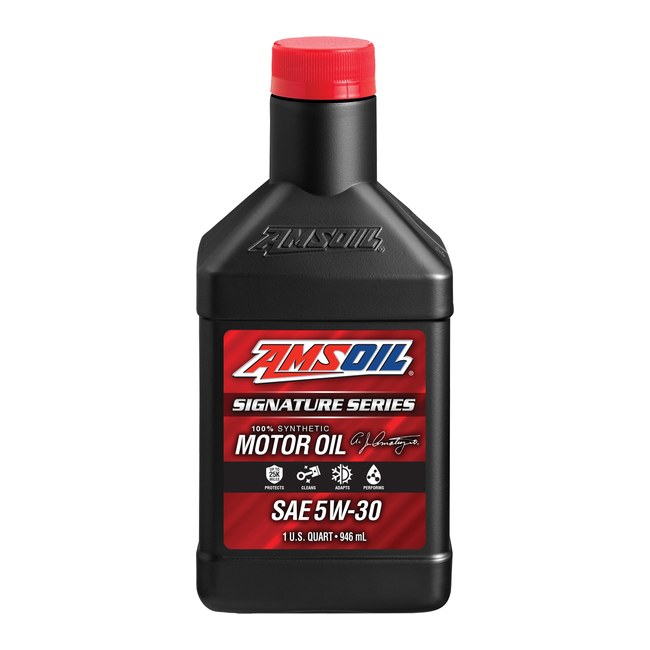
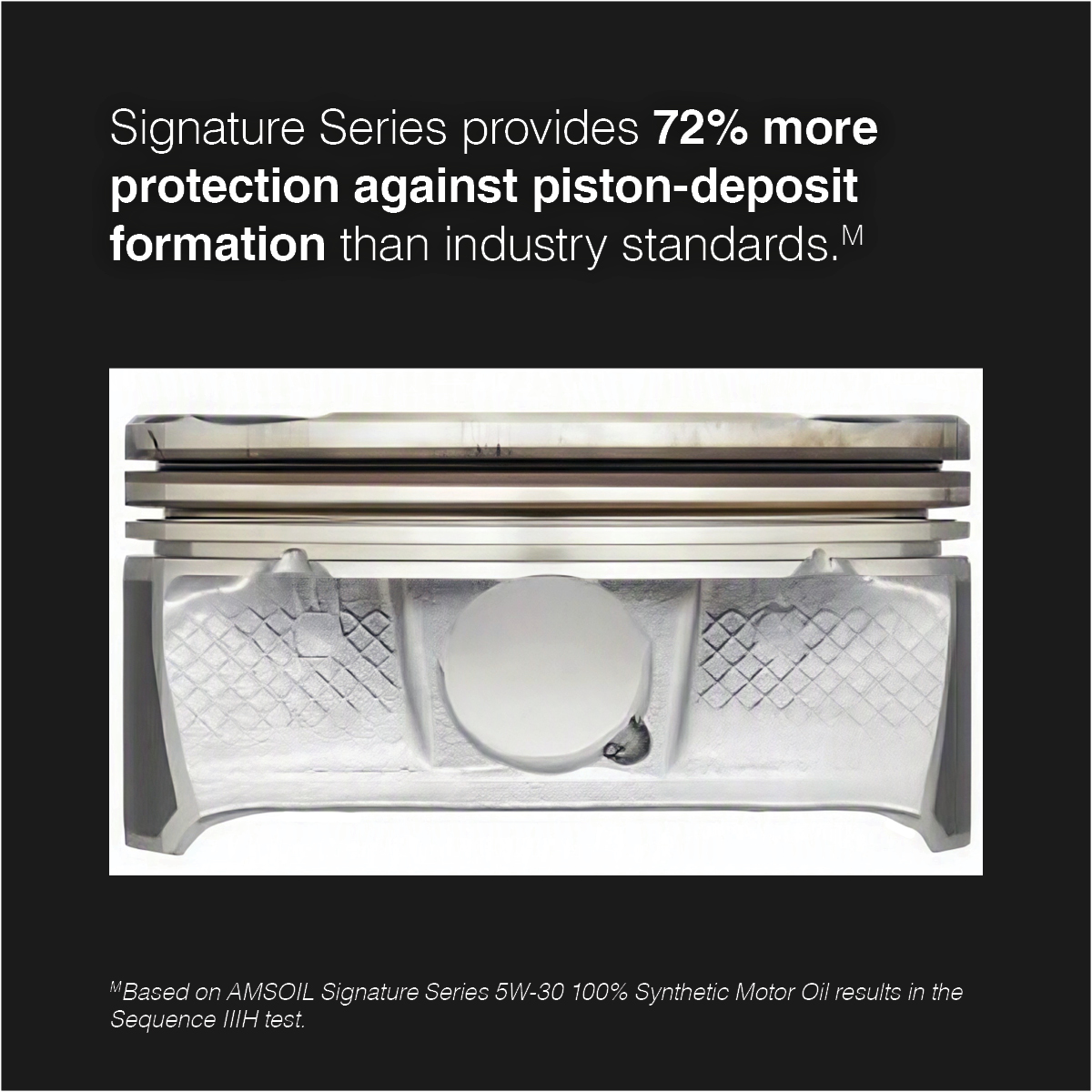
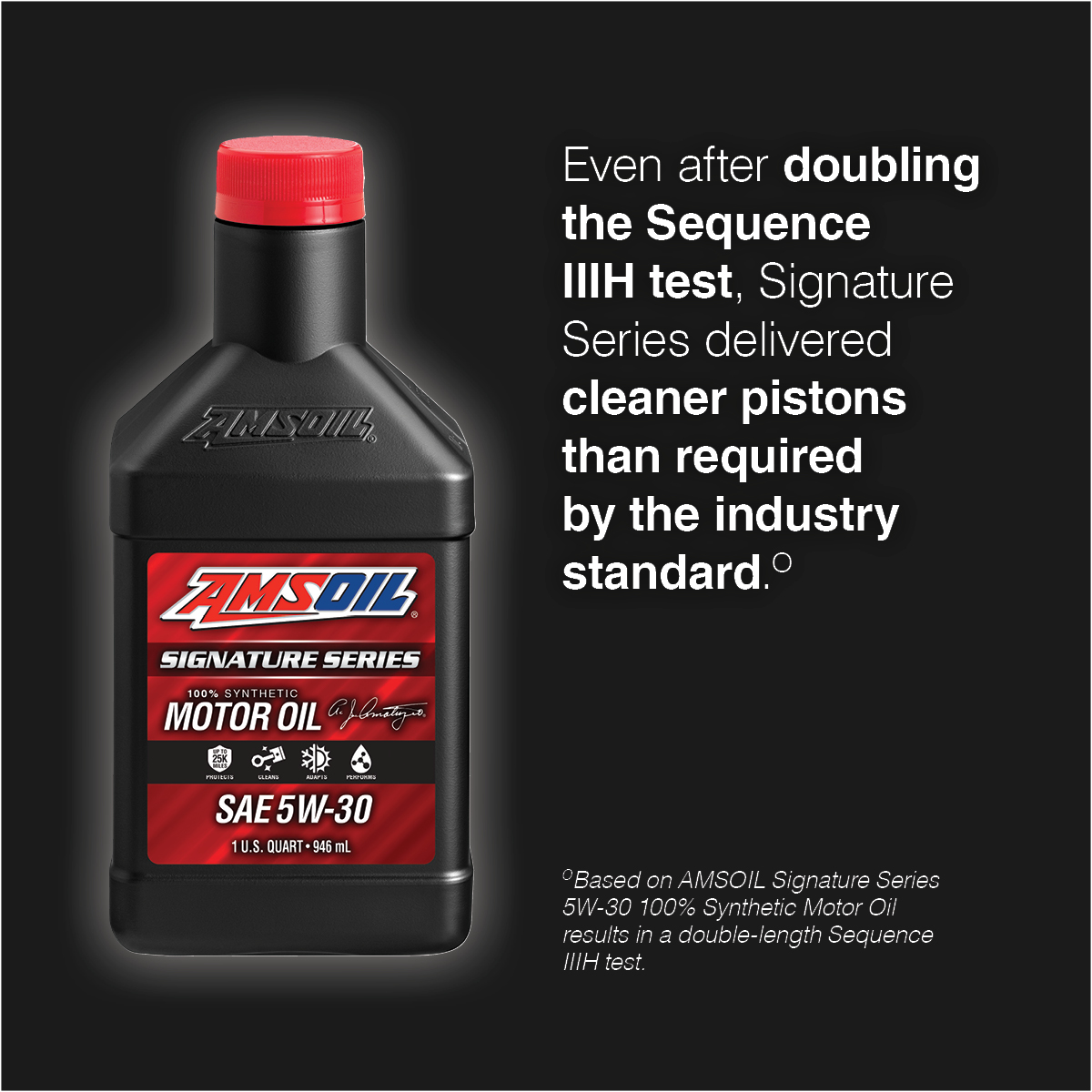
Preventing worn and stuck rings is vital to maximizing your engine’s power, efficiency and life. It starts with using a high-quality synthetic oil, like AMSOIL Signature Series Synthetic Motor Oil, that fights wear and withstands extreme heat, keeping pistons clean.
If you suspect your rings are worn or stuck, consider using the highest viscosity oil the original equipment manufacturer (OEM) recommends. Some OEMs recommend a range of viscosities, depending on your climate (e.g. 5W-20 when it’s cold, 10W-30 when it’s above 0ºF). Using the highest recommended viscosity can help close the gap between the rings and cylinder wall.
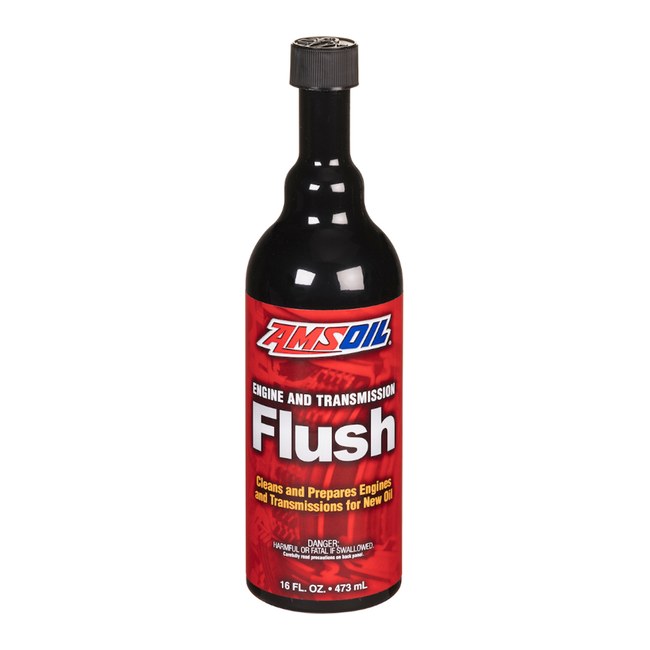
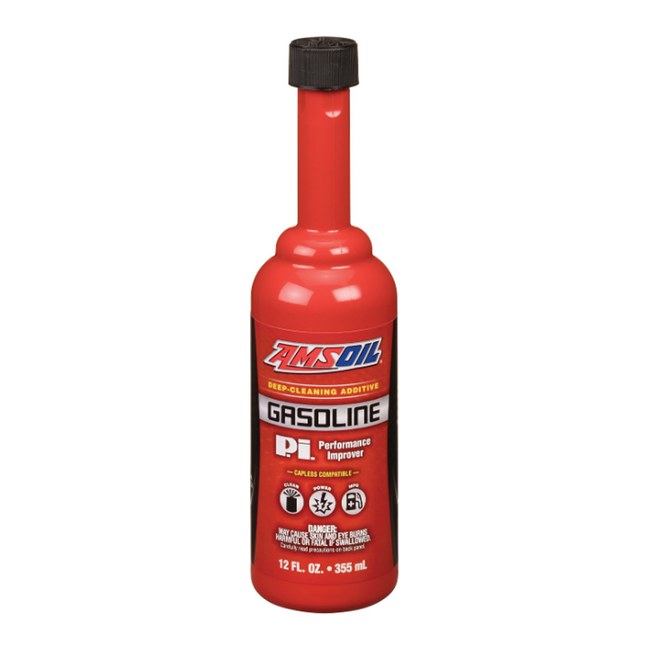
You can also try freeing stuck rings by using a quality engine flush or fuel additive designed to clean deposits, such as AMSOIL Engine and Transmission Flush or AMSOIL P.i.® Performance Improver.



Comments
Brad Nelson is an AMSOIL Technical Writer II who develops content about lubricant technology, product performance and vehicle maintenance. He works with engineers and product specialists to translate testing, application requirements and approved performance claims into clear customer guidance. Nelson’s work includes AMSOIL Blog articles, AMSOIL Magazine features and technical explanations concerning motor oils, gear lubricants, vehicle systems and maintenance practices.
Share: