

Whether you ride a V-twin cruiser, a sport or adventure bike, a dirt bike or a scooter, your motorcycle asks more of its oil than a car does. In many bikes, one oil lubricates the engine, transmission and wet clutch. Start here for oil advice, maintenance how-tos and riding tips, organized the same way AMSOIL organizes motorcycle products.
Why motorcycle oil is different from car oil
Most motorcycles ask a single oil to do the work of three. In many bikes the same oil lubricates the engine, protects the transmission gears and cools the wet clutch. Many passenger car oils contain friction modifiers that improve fuel economy, and in a wet clutch those same modifiers can cause slipping. Motorcycle engines also tend to run hotter and at higher rpm than car engines. Many sit for weeks between rides, which leaves internal parts vulnerable to rust. Learn more in Motorcycle Oil vs. Primary Oil vs. Transmission Fluid.
JASO MA vs. MA2
JASO T 903 is the industry standard that rates four-stroke motorcycle oils for wet-clutch friction performance. Oils rated JASO MA are suitable for wet clutches, and MA2 is the subcategory with the higher friction range, which helps the clutch engage firmly and hold without slipping. Your owner’s manual lists the rating your motorcycle requires. Read the full explanation in What’s the Difference Between JASO MA and JASO MA2 Oil?
Harley-Davidson engine, transmission and primary
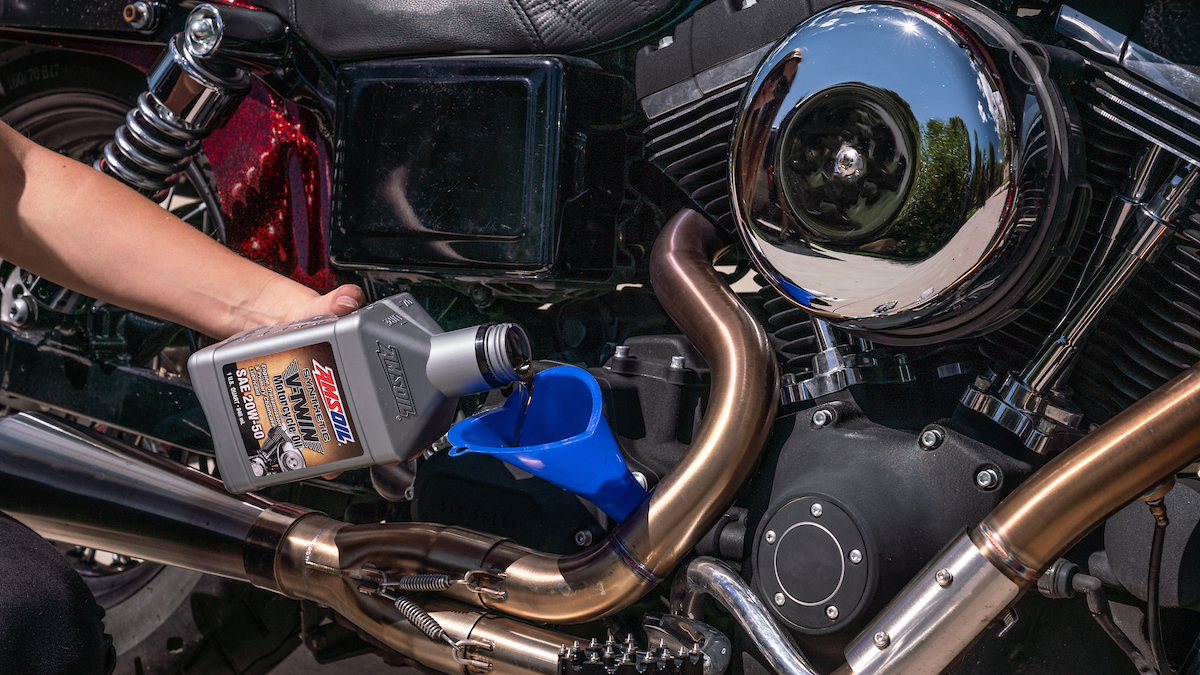
A Harley-Davidson* Big Twin keeps its engine oil, transmission fluid and primary chaincase fluid in three separate sumps, and each requires service. You can use one oil in all three sumps or use dedicated transmission and primary fluids. See Best Oil for Harley Transmission and Primary, then follow our step-by-step guides to a Harley-Davidson oil change, primary oil change and transmission oil change.
The right oil for your motorcycle
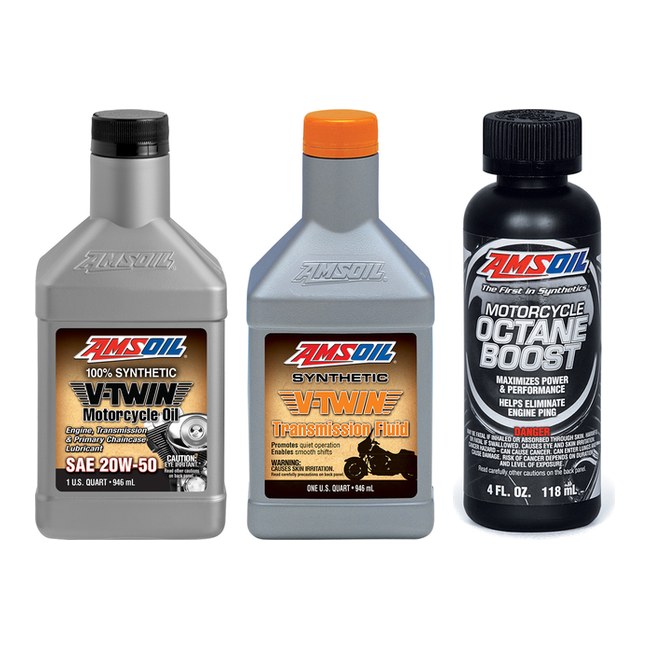
Air-cooled V-twin cruisers generate intense heat, especially in stop-and-go traffic. AMSOIL 100% Synthetic V-Twin Motorcycle Oil delivers outstanding wet-clutch performance and exceptional wear protection in the heat air-cooled engines generate.
Metric street and sport bikes spin to high rpm and often share one oil among the engine, transmission and clutch. AMSOIL 100% Synthetic Motorcycle Oil delivers premium wear protection whether you ride aggressively, cruise or sit in stop-and-go traffic.
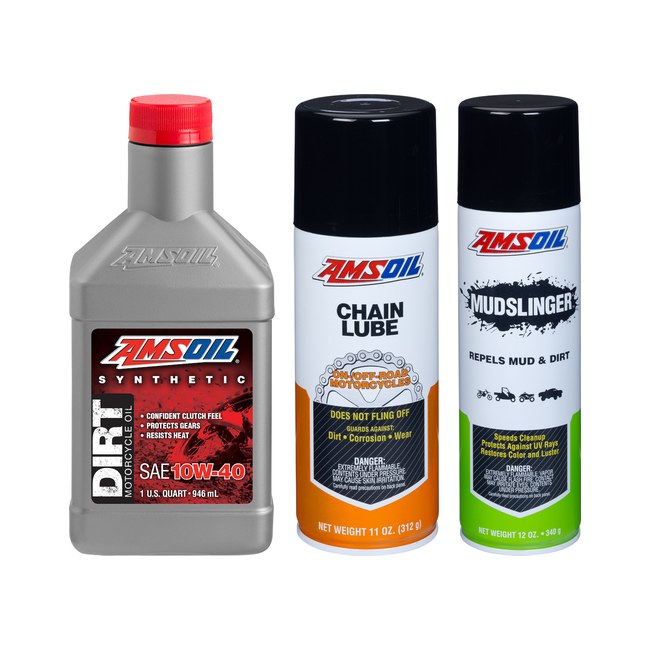
Dirt bikes put the clutch and transmission through constant hard engagement. AMSOIL 100% Synthetic Dirt Bike Oil delivers consistent clutch feel, protects gears and resists heat.
Scooter engines are small and run at high rpm for long stretches. AMSOIL Formula 4-Stroke® 100% Synthetic Scooter Oil is wet-clutch compatible, resists heat and protects against wear. See What’s the Best Oil for My Scooter?
Find the right products for your bike in the AMSOIL Motorcycle Product Guide.
Do you need break-in oil?
A new or rebuilt engine needs a break-in period so the piston rings seat against the cylinder walls and form a tight seal. Whether you need a dedicated break-in oil depends on the engine and the builder’s instructions, and running one longer than necessary can do more harm than good. Read Break-In Oil: What Is It and When Do I Use It?
Basic motorcycle maintenance
Change the oil and filter on schedule, and if your bike has a separate transmission and primary, service them on their own intervals. Check chain tension and lubrication, tire pressure and brake fluid regularly. Before storage, fill the tank, add a fuel stabilizer and change the oil so combustion acids don’t sit in the engine all winter. Start with How to Change Motorcycle Oil, and read Extreme Heat Is Hard on Your Motorcycle before riding season.
Motorcycle oil FAQ
Can I use car oil in my motorcycle?
Not in a motorcycle with a wet clutch. The friction modifiers in many passenger car oils can cause the clutch to slip, so use an oil that meets the JASO rating in your owner’s manual.
Why does my motorcycle engine knock?
Knocking can result from low-octane fuel, carbon deposits, a lean fuel mixture or worn components. See How to Fix Motorcycle Engine Knocking.
What fork oil do I need?
Fork and shock oils are specified by weight and damping characteristics, and the right one depends on your suspension and riding style. See What to Know When Choosing Shock Oil.
V-twin motorcycles
- AMSOIL Synthetic V-Twin Oil vs. Harley-Davidson SYN3
- How to Perform a Harley-Davidson Oil Change
- How To: Harley-Davidson Primary Oil Change
- Harley-Davidson Transmission Oil Change Instructions
- See How AMSOIL Performs in the Harley-Davidson Milwaukee-Eight Engine
- Better Protection for Your Harley-Davidson
- 6X Better Protection than Harley-Davidson
- Upgraded Performance and Protection for Indian Motorcycles
- More than 200,000 Miles on this Harley-Davidson
- Riding to Sturgis? Try These Tips.
- Best Oil for Harley Transmission and Primary
- AMSOIL Saves Harley-Davidson Engine
Street and adventure motorcycles
- What’s the Best Motorcycle Oil?
- Motorcycle Oil, Primary Oil & Transmission Fluid: What’s the Difference?
- Motorcycle Oil vs. Car Oil: Why You Can’t Substitute
- AMSOIL Synthetic Motorcycle Oil is Engineered for Extremes
- What’s the Difference Between JASO MA and JASO MA2 Oil?
- How to Change Motorcycle Oil in 9 Simple Steps
- How to Protect a Motorcycle Wet Clutch (and How it Works)
- How To Fix Motorcycle Engine Knocking
- What a Good Motorcycle Coolant Should Do
- What to Know When Choosing a Fork Oil
- Should I Warm Up My Motorcycle Before Riding?
- Motorcycle Engine Detuning
- Motorcycle Winter Storage: How to do it Right
- Prepare Your Bike for Summer Riding
- Extreme Heat is Hard on Your Motorcycle
- Used Motorcycle Buyer’s Guide
- Our Top Motorcycle Safety Tips
- Tips for Planning a Motorcycle Trip
- 4 Fantastic Motorcycle Rides of the Midwest
- Motorcycle Riding Tips for Beginners From our Experts
- “Million-Mile” Phil Trusts AMSOIL for His Honda Gold Wings
- 5 Tips For Your Next Adventure Bike Trip
- AMSOIL Rides the Divide
Dirt bikes
- What is the Best Dirt Bike Oil?
- The Importance of Dirt Bike Maintenance
- How to Perform a Dirt Bike Top End Rebuild
- How to Rebuild Dirt Bike Forks
- How to Change a Dirt Bike Tire
- How To Tighten Dirt Bike Spokes
- How to Wash a Dirt Bike
- Guidelines to Properly Wash Your Dirt Bike
- When and How Often Should I Use Dirt Bike Chain Lube?
- How to Improve Dirt Bike Clutch Feel
- AMSOIL Tech Tips: Setting up Your Dirt Bike for Riding in the Woods
- What’s the Best Dirt Bike Tire for Woods or Trail Riding
- Must-Have Dirt Bike Trail Riding Gear
- Four-Stroke or Two-Stroke Dirt Bike: Which is Right for Me?
- What to Look for When Buying a Used Dirt Bike
- Top 3 Single-Track Dirt Bike Trails in Minnesota
- The Thrill, the Speed, the Smell and Sound
- Dirt Bike Oil Tames “Jumpy” Clutch

Comments
David Hilgendorf is an AMSOIL Technical Writer who develops content for automotive, powersports and industrial audiences. His work includes technical data sheets, magazine articles, blog posts, white papers, product literature and application guidance. Hilgendorf works with engineers, laboratory personnel and technical specialists to communicate lubricant testing, product performance, maintenance practices, metalworking fluids, grease, motorcycles, marine equipment and industrial reliability.
Share: